
Desserts
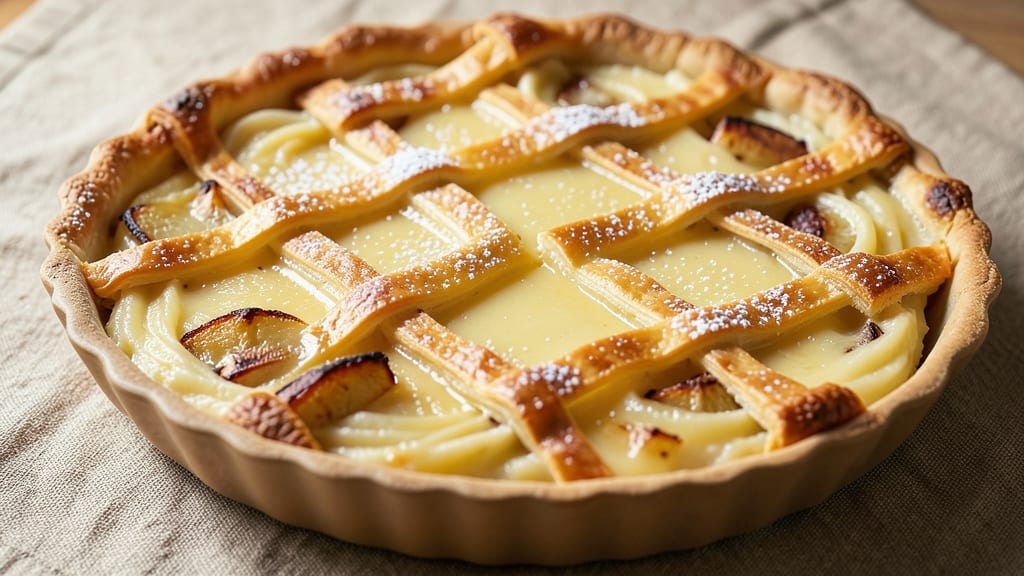
This potato custard pie recipe delivers a perfect balance of velvety spiced filling and a buttery, flaky crust that'll impress even the most discerning dessert lovers.
The secret lies in a smooth custard base made with mashed potatoes, warm spices, and a touch of cream cheese for richness—all encased in a classic pie crust that bakes to golden perfection.
I developed this recipe after years of testing, ensuring the filling stays lusciously thick while the crust remains tender and crisp.
The key to success is tempering the eggs properly to prevent curdling and baking the crust just enough to hold its shape before adding the filling. This method guarantees a pie with a creamy, spiced center and a crust that's both sturdy and delicate.
The warm cinnamon and nutmeg in the filling create a comforting aroma that fills your kitchen, while the buttery crust adds a satisfying contrast with every bite.
What makes this recipe stand out is its foolproof technique for achieving a smooth custard without lumps or a watery texture. The filling thickens beautifully during baking, creating that signature velvety consistency we all love in potato-based desserts.
Whether you're serving it warm with vanilla ice cream or letting it cool slightly for clean slices, this pie delivers restaurant-quality results at home.
Perfect for holidays, family gatherings, or a cozy dessert night, this potato custard pie is sure to become a favorite. The recipe includes all the details you need—from blind baking the crust to achieving the ideal custard texture.
Let's get started on creating this comforting classic that tastes like a hug in every bite.
Ingredients for potato custard pie
Classic pie crust meets velvety spiced potato filling for a dessert that feels like comfort in every bite.
| Ingredient | Amount | Notes |
|---|---|---|
| Large Russet Potatoes 🥔 | 3 whole | Peeled and boiled until tender |
| Large Eggs 🥚 | 4 whole | Room temperature for smooth custard |
| Heavy Cream 🥛 | 1 ½ cups | Full-fat for rich texture |
| Granulated Sugar 🍚 | 1 ¼ cups | Adjust to taste |
| Unsalted Butter 🧈 | ½ cup | Cold, cubed for crust |
| All-Purpose Flour 🌾 | 1 ¼ cups | Plus 1 tbsp for dusting |
| Ice Water 💧 | ½ cup | For pie crust dough |
| Salt 🧂 | 1 ½ tsp | Kosher or sea salt |
| Ground Cinnamon 🌿 | 1 ½ tbsp | Freshly ground preferred |
| Ground Nutmeg 🌿 | ½ tsp | Freshly grated nutmeg |
| Vanilla Extract 🍯 | 1 tbsp | Pure vanilla preferred |
| Cream Cheese 🧀 | 8 oz | Room temperature for smoothness |
| Parchment Paper 📄 | 1 sheet | For blind baking |
| Dried Allspice 🌶️ | ¼ tsp | Optional for depth |
The potatoes are the heart of this pie—Russets are ideal for their starch content, but Yukon Golds work too. Whole Foods or Trader Joe's carry both varieties, so grab what's on sale. For the crust, European-style butter like Plugrá makes all the difference—it's higher in fat, so the flakiness is next-level. If you can't find it, Land O'Lakes unsalted is a solid backup. The cream cheese adds richness without overpowering; Philadelphia brand is my go-to, but any full-fat works. Pro tip: Let all dairy ingredients sit out for 30 minutes before mixing for a smoother custard.
No vanilla extract? Vanilla bean paste works beautifully, or a splash of almond extract in a pinch. Running short on cream cheese? Substitute with 1 cup extra heavy cream plus 1 tbsp cornstarch—it'll be lighter but still delicious. For the crust, if you don't have parchment paper, grease a second pie dish and use it for blind baking. The allspice is optional but adds warmth—if you skip it, double the cinnamon. And for the potatoes, instant potatoes cut prep time in half (just add 1/2 cup hot milk instead of boiling).
This pie tastes even better the next day—3-4 days in the fridge is perfect. For make-ahead prep, assemble the crust and filling, then refrigerate overnight before baking. The crust can be pre-baked and frozen for up to 2 months—just bake from frozen, adding 5-10 minutes. Slice and serve warm with vanilla ice cream or a dollop of whipped cream. Leftovers? Reheat individual slices in the oven at 350°F for 10 minutes to restore that fresh-from-the-oven texture.
Why You'll Love This Recipe
- No Peel, No Stress: I’ll admit, I used to dread peeling potatoes—but this recipe lets you skip it. Just scrub those Russets, slice them thin, and bake them right in the crust. The edges get golden and tender while the center stays silky, like a hug from Grandma’s kitchen.
- Sweet Creamy Magic: That custard filling is where it shines—eggs, heavy cream, and just enough sugar to balance the potatoes’ earthiness. It’s rich but not cloying, with a texture that’s somewhere between pudding and pie. (Yes, even my sugar-conscious husband sneaks seconds.)
- Pantry Staples Only: Honestly, you’re already halfway there if you’ve got butter and eggs. Russets are cheap, and the cream/sugar combo is minimal. I’ve made this for holidays, potlucks, and lazy Sundays—no fancy ingredients, just pure comfort. (And zero food waste—use every bit of the baked potatoes.)
Step-by-step instructions for potato custard pie
Here's how to create a velvety potato custard filling with a buttery crust that stays perfectly set.
Prepare the Potato Base
Peel the 3 whole large russet potatoes and cut them into even chunks. Place them in a medium pot and cover with cold water by about 2 inches. Add the 1.5 teaspoons salt to the water as you bring it to a boil over medium-high heat. Once boiling, reduce heat to medium and cook for 15-20 minutes until the potatoes are fork-tender and easily pierced.
Drain the potatoes thoroughly and return them to the pot. Using a potato masher or fork, mash them until completely smooth with no lumps remaining. Let the mashed potatoes cool slightly before proceeding—this prevents the custard from curdling later. I like to spread them on a plate and refrigerate for 10 minutes while I prepare the crust components.
Mix the Custard Filling
In a large mixing bowl, combine the cooled mashed potatoes, 1.5 cups heavy cream, 1.25 cups granulated sugar, 8 ounces room-temperature cream cheese, 1 tablespoon vanilla extract, 1.5 tablespoons ground cinnamon, 0.5 teaspoon ground nutmeg, and 0.25 teaspoon dried allspice. Whisk vigorously until completely smooth and all ingredients are fully incorporated—this ensures even distribution of spices and creaminess throughout.
In a separate bowl, whisk together the 4 whole large eggs until frothy. Gradually pour the eggs into the potato mixture while continuing to whisk. The goal is to create a smooth, lump-free custard. For extra insurance against lumps, strain the mixture through a fine-mesh sieve into a clean bowl. This step is crucial for achieving that silky texture we're after.
Prepare the Pie Crust
In a food processor, combine the 1.25 cups all-purpose flour, 0.5 cup unsalted butter (cold and cubed), and remaining 0.5 teaspoon salt. Pulse until the mixture resembles coarse crumbs with some pea-sized butter pieces remaining. Add the 0.5 cup ice water and pulse until the dough just comes together—don't overwork it or the crust will become tough.
Turn the dough onto a lightly floured surface and divide it into two equal pieces. Roll out one piece to fit a 9-inch pie dish, pressing it gently into the bottom and up the sides. For the top crust, roll out the second piece and keep it chilled until needed. Place the assembled crust in the refrigerator while you prepare the filling.
Assemble and Blind Bake
Pour the prepared custard filling into the chilled pie crust, spreading it evenly. Place the second crust piece over the filling and press the edges together to seal completely. Cut several small slits in the top crust to allow steam to escape during baking. Line the top crust with the 1 sheet parchment paper and fill it with pie weights or dried beans to prevent puffing.
Bake in a preheated 375°F oven for 30 minutes. Remove the weights and parchment paper, then continue baking for another 15-20 minutes until the crust is golden brown and the filling is set but still slightly jiggly in the center. A toothpick inserted should come out clean with no wet custard clinging to it.
Finish and Rest
Allow the pie to cool on a wire rack for 2 hours before slicing. This resting period is essential for the custard to fully set and for the flavors to meld together. The pie will continue to firm up as it cools, resulting in clean slices that hold their shape beautifully.
For serving, run a sharp knife through hot water and wipe it dry before cutting through the pie. This prevents the crust from crumbling. Each slice should reveal a velvety potato custard with a delicate spice aroma and a perfectly set texture that's neither too firm nor too soft.
Pro Tips For Making Potato Custard Pie
- Boil Potatoes Until Fork-Tender: Russets stay dry if you overcook them—aim for a knife sliding in like butter, not resistance. Drain immediately and shock in ice water for 2 minutes to halt cooking; this keeps the texture silky instead of gummy.
- Whisk Eggs Over Warm Water: Cold eggs won’t blend smoothly with warm cream. Place the bowl over a pot of simmering water (not boiling) for 5 minutes while whisking—this loosens the yolks and prevents curdling when mixed.
- Skip the Pre-Bake Crust: I used to bake the crust first, but it turns soggy when the custard steams. Blind-bake just until firm (5 minutes with pie weights), then fill and bake straight through—no soggy bottom here.
- Use Cold Heavy Cream: Warm cream makes the custard separate. Chill the heavy cream in the fridge for 30 minutes before mixing—it tempers the eggs better and gives a smoother, richer texture. (Yes, even if you’re impatient.)
Pro cooking tips for this dish
Custard Thickening
Preventing a runny custard starts with proper egg tempering. Always whisk the eggs separately until frothy, then slowly pour them into the warm potato mixture while whisking constantly. I like to strain the final mixture through a fine-mesh sieve to eliminate any potential lumps that could weaken the set.
For extra insurance, add 1 tablespoon cornstarch to the potato mixture before combining with eggs—it helps stabilize the texture without altering flavor. 🥣
Blind Baking Secrets
Never skip the blind baking step—it's what gives your crust structure to hold the heavy custard. I use a combination of dried beans (cleaned and dried) and parchment paper for even weight distribution. Preheat your oven to 375°F and bake the crust for 15 minutes before adding filling.
This ensures it's sturdy enough to support the custard's weight without collapsing. A partially baked crust also prevents soggy bottoms.
Crust Flakiness
Cold butter is your best friend for a flaky crust. Cut ½ cup unsalted butter into small cubes and keep them frozen until ready to use. Pulse the butter with flour in a food processor until it resembles coarse crumbs with pea-sized pieces remaining—this creates those signature flaky layers.
Work quickly when handling the dough to prevent melting, and avoid overworking it in the processor or you'll develop gluten and lose that delicate texture. 🧈
Spice Distribution
For even spice distribution, I recommend toasting the cinnamon and nutmeg briefly in a dry skillet before adding to the custard. Just heat 1.5 tbsp cinnamon and ½ tsp nutmeg over low heat for 1-2 minutes until fragrant.
This enhances their aromatic qualities and prevents clumping in the custard. Add them to the warm potato mixture before incorporating the eggs for maximum flavor infusion.
Temperature Control
Bake the assembled pie at 375°F for 30 minutes with weights, then remove them and bake another 15-20 minutes until the crust is golden. The custard should be set but still slightly jiggly in the center—it'll firm up completely as it cools.
For even baking, place a baking sheet on the lower rack to catch any potential drips. A pie bird (available at kitchen stores) can help regulate steam during baking for a cleaner finish.
Resting Period
Never cut into your pie immediately after baking—allow it to rest for at least 2 hours at room temperature. This crucial step lets the custard fully set and prevents it from oozing out when sliced.
I like to place my pie on a wire rack to allow air circulation around the bottom. The longer it rests (up to 4 hours), the cleaner your slices will be. For serving, run your knife through hot water and wipe it dry before cutting to prevent crumbling. ✨
Nutrition facts
Frequently asked questions
Can I make this potato custard pie ahead of time?
This pie tastes even better the next day. Assemble the crust and filling, then refrigerate overnight before baking. For make-ahead prep, you can also blind-bake the crust and freeze it for up to 2 months—just add 5-10 minutes to the baking time when thawed. The custard will set perfectly after baking, and the flavors meld beautifully.
What's the best way to prevent a soggy crust?
Always blind-bake your crust first! Pre-bake the bottom crust at 375°F for 15 minutes with pie weights or dried beans before adding the filling. This creates a sturdy base that won't absorb moisture. For extra insurance, brush the pre-baked crust with a thin layer of egg white before adding the custard—it acts as a barrier.
How do I know when the custard is fully set?
The custard should be just slightly jiggly in the center when done. Insert a toothpick—it should come out clean with no wet custard clinging to it. If it's still wobbly, bake for another 5-10 minutes until set but not dry. The pie will continue firming up as it cools, so don't overbake!
Can I substitute instant potatoes for fresh?
Yes! Instant potatoes work perfectly and cut prep time in half. Just mix 1.5 cups of hot milk (or water) with 1 package (4 oz) of instant potatoes until smooth. Let it cool completely before adding to the custard mixture. The texture will be slightly lighter but still delicious.
What's the secret to a smooth custard?
Temper the eggs properly and strain the mixture! Whisk eggs separately until frothy, then slowly pour them into the warm potato mixture while whisking constantly. For extra smoothness, strain through a fine-mesh sieve before pouring into the crust. Adding 1 tablespoon cornstarch to the potato mixture also helps stabilize the texture.