
Desserts
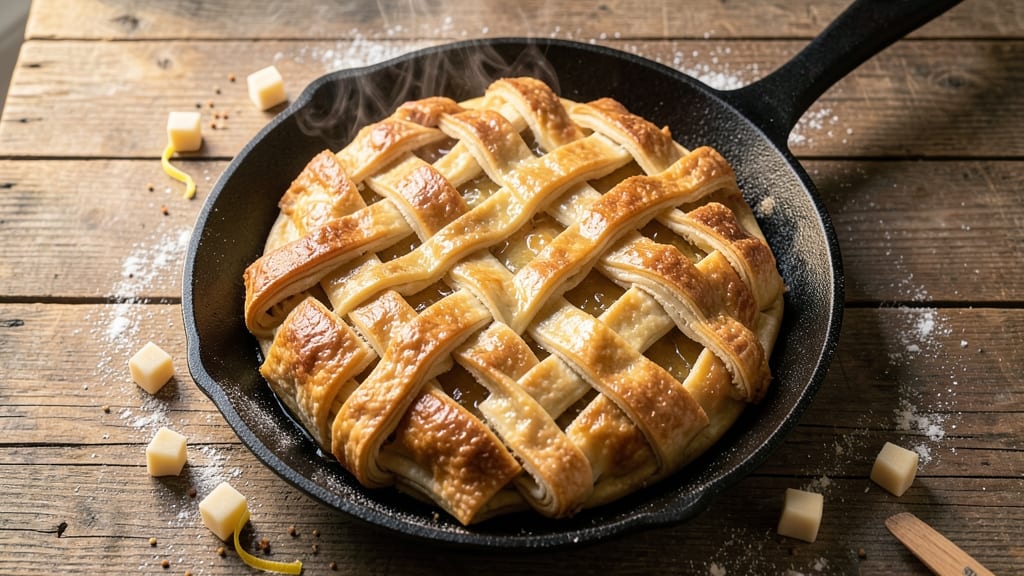
This Amish fried pie dough delivers the flaky layers that make every bite worth the effort. The secret lies in cold butter and precise layering—a technique passed down through generations in Pennsylvania Dutch kitchens.
I’ve perfected this recipe after years of testing, ensuring the dough stays crisp even after frying, with a golden crust that shatters at the touch of a fork.
The beauty of Amish fried pie dough is its simplicity: just flour, lard, and ice water, combined with patience. The dough is rolled thin, folded like a letter, and chilled before frying to create those signature delicate layers.
This method transforms ordinary ingredients into something extraordinary—crisp enough to stand up to rich fillings like chicken and dumplings or sweet apple compote.
Once fried to a golden brown, the dough becomes a canvas for any filling you desire. The classic Amish fried chicken pie, with its savory meat and flaky crust, is legendary, but fruit-filled versions are equally beloved.
The dough’s structure holds up perfectly, ensuring every bite delivers that perfect balance of crisp and tender.
What sets this recipe apart is the cultural heritage behind it—a tradition of hearty, comforting food that brings families together. Whether you're making it for a special occasion or a weeknight treat, this dough will elevate your pie to restaurant-quality status with just a few simple steps.
Ingredients for amish fried pie dough
Four ingredients transform into golden, shatter-priced fried pie dough with generations of Amish tradition.
| Ingredient | Amount | Notes |
|---|---|---|
| All-Purpose Flour 🌾 | 3 cups | Sifted for light texture |
| Lard 🧈 | 1 cup | Leaf or leaf lard preferred |
| Unsalted Butter 🧈 | ½ cup | Cold, cubed for flakiness |
| Ice Water 💧 | ½ cup | Chilled to 35°F for crisp layers |
| Diamond Crystal Kosher Salt 🧂 | ½ tsp | Fine grain preferred |
| Vegetable Oil 🫒 | 2 cups | For frying (peanut or sunflower) |
The lard and butter combination is non-negotiable for that signature flakiness. Leaf lard from Whole Foods or Costco gives the best texture, but regular lard works too—just make sure it's not hydrogenated. The butter must stay cold throughout the process; I keep mine in the freezer until ready to use. For flour, King Arthur or Gold Medal brands are my go-to—they're reliable for pie crusts. The ice water is crucial; regular water won't give you the same crisp result. If you're in a pinch, use 1/2 cup ice cubes instead of pre-chilled water.
No lard? Shortening works in a bind, though it won't be quite as flaky. Butter substitutes? Coconut oil chilled solid can replace half the butter, but traditional recipes swear by lard. The salt is key—Diamond Crystal dissolves better than Morton, giving you more control. For frying oil, peanut oil has the highest smoke point, but vegetable oil is budget-friendly. The dough must rest at least 30 minutes before frying, so plan ahead. If you're making a big batch, double the recipe—it freezes beautifully for up to 3 months.
This dough is best used within 24 hours of making it, but you can refrigerate it for up to 5 days if wrapped tightly in plastic. For longer storage, freeze the rolled dough between parchment paper for 3 months. When reheating, fry fresh from frozen—no thawing needed. The magic happens in the frying: use 350°F oil and fry in batches to avoid overcrowding. A deep fryer or heavy pot works best, and a thermometer keeps the oil at the perfect temperature.
Why You'll Love This Recipe
- No-Fuss Mixing: I swear by this dough—just toss the cold lard and butter into flour with a pinch of salt, then add ice water until it holds. No standing at the counter kneading for ages, just quick pulses in a bowl. Honestly, my hands stay cleaner this way.
- Golden Crunch Magic: That crispy, flaky exterior with a tender inside? It’s all in the lard-to-butter ratio and the ice water. The salt cuts through the richness just enough to make every bite irresistible. (Yes, even on a Tuesday night.)
- Pie Pan or Skillet: Use it for pies, deep-dish casseroles, or even fried chicken pot pie—this dough handles it all. I’ve stuffed it with everything from sweet berries to savory sausage, and it never lets me down. Versatile enough for holiday feasts or lazy weeknight suppers.
- Budget-Friendly Staples: Flour, lard, butter—these are pantry basics that won’t break the bank. A single batch stretches for pies, dumplings, or even a crispy-topped skillet meal. Between us, this is how I stretch my grocery money without sacrificing flavor.
Step-by-step instructions for Amish fried pie dough
Master the secret to legendary flakiness through precise technique and patience.
Cut and Chill the Fat Mixture
Place the 1 cup lard and 0.5 cup unsalted butter in a large mixing bowl. I always use a sharp chef's knife to cut the cold butter into small, uniform cubes—about ½-inch pieces. This creates maximum surface area for even distribution in the dough. Use two forks to work the fat mixture until it reaches a coarse crumb texture, similar to wet sand.
Transfer the bowl to the refrigerator and chill for 30 minutes. This crucial step prevents the fat from melting during mixing, which would create a tough dough instead of those signature flaky layers. The fat needs to remain firm but workable—press a piece between your fingers to test. If it holds its shape but still feels pliable, it's ready.
Mix and Hydrate the Dough
In a separate bowl, whisk together the 3 cups all-purpose flour and 0.5 teaspoon diamond crystal kosher salt. Sift the flour mixture directly over the chilled fat mixture, then gently toss with a fork or your fingers until the flour is evenly distributed and the mixture resembles coarse crumbs. The goal is to coat each fat piece with flour without developing gluten.
Add the 0.5 cup ice water gradually, 1 tablespoon at a time, mixing gently after each addition. The ice water is critical—it's chilled to 35°F to prevent the fat from softening. Use a rubber spatula to gently fold the dough until it just comes together. The dough should be shaggy and slightly sticky but not wet. If it feels too dry, add 1 more teaspoon of ice water; if too sticky, sprinkle in 1 tablespoon more flour. Overworking at this stage destroys the flakiness we're after.
Form and Chill the Dough
Turn the dough out onto a lightly floured surface and gently shape it into a 1-inch thick rectangle. I press down firmly but evenly to create a uniform thickness—this prevents uneven cooking later. Wrap the dough tightly in plastic wrap and refrigerate for at least 1 hour, or up to 24 hours. The longer it rests, the more distinct those flaky layers will become.
This resting period allows the gluten to relax and the fat to redistribute evenly. When you're ready to fry, the dough should feel cold and firm to the touch. If it's too soft, return it to the refrigerator for 15-20 minutes. The key is working with cold dough—it's what creates those signature shatteringly crisp layers when fried.
Cut and Fry the Dough
Preheat 2 cups vegetable oil in a deep skillet or Dutch oven to 350°F. Use a deep-fry thermometer to monitor the temperature—it should stay steady. Cut the chilled dough into 4 equal rectangles (about 3x4 inches each). I use a sharp bench scraper for clean cuts that prevent the dough from sticking.
Fry the dough pieces in batches, being careful not to overcrowd the pan. Cook for 2-3 minutes per side until golden brown with deep, crispy edges. The dough is ready when it floats in the oil and develops a rich, nutty aroma. Drain on paper towels, sprinkling with a pinch of salt while still hot. Serve immediately for maximum crispness, or store in an airtight container at room temperature for up to 3 days. The secret to perfect fried pie dough lies in maintaining that 350°F temperature—too hot and it burns before cooking through; too cool and it absorbs too much oil.
Pro Tips For Making Amish Fried Pie Dough
- CHILL THE LARD FIRST: Cold lard works better than room-temperature fat—it creates tiny pockets of steam when fried, giving that signature flakiness. I used to skip this, and my dough turned out greasy instead of light. Pop it in the fridge for 10 minutes before mixing.
- CUT FAT INTO FLOUR LIKE YOU MEAN IT: Use a pastry cutter or your fingers to work the lard and butter into the flour until it resembles coarse crumbs, not a paste. Overmixing = tough dough. I learned this after making a batch that turned out like a dense biscuit instead of crisp, flaky layers.
- WEIGH YOUR ICE WATER: Measure water by weight (about 1/4 cup) and use ice cubes straight from the freezer—this keeps the dough firm without overworking it. Liquid water makes the dough sticky and hard to handle. Trust me, this small step makes rolling it out a breeze.
- FRY IN SMALL BATCHES: Overcrowding the pan steams the dough instead of frying it, leading to soggy results. Fry 2-3 pieces at a time in 350°F oil until golden brown—about 2 minutes per side. Yes, it takes longer, but the payoff is worth it.
Regional styles of this recipe
Pennsylvania Dutch Tradition
The Amish fried pie dough originated in the Pennsylvania Dutch communities of Lancaster County, where hearty, comforting foods were essential for survival. This recipe reflects their resourcefulness—using simple ingredients like lard and flour to create something extraordinary.
The technique of layering fat between flour was inspired by traditional European pastry methods, adapted to local tastes. 🌾
In Amish households, fried pies were often served at gatherings, church socials, and family meals. The dough’s crisp texture made it perfect for holding rich fillings like chicken and dumplings or apple compote.
Today, it remains a staple in Pennsylvania Dutch cuisine, passed down through generations with slight regional variations.
Ohio Amish Adaptations
While the Pennsylvania version dominates, Ohio Amish communities developed their own twist using shortening instead of lard for a slightly lighter texture. They often fry the dough in peanut oil for a richer flavor.
The Ohio style is slightly more tender, making it ideal for fruit-filled pies like cherry or blueberry.
Ohio Amish cooks also tend to cut the dough into smaller squares (about 2x2 inches) for individual servings, perfect for potlucks. The key difference lies in the fat—shortening creates a more uniform texture, while lard delivers that classic, slightly richer taste.
Midwestern Farmhouse Style
In the Midwestern states, particularly Indiana and Illinois, Amish fried pie dough became a weeknight staple rather than just a special-occasion treat. Here, the dough is often thicker (about ¼-inch) to hold heartier fillings like sausage and potatoes or stuffed with mashed sweet potatoes.
The Midwestern approach emphasizes practicality—using whatever fat was available (lard, butter, or even crispy bacon grease for a smoky twist). The dough is frequently pre-cut into circles for easy assembly, making it a favorite for family-style meals.
Modern Twists
Today’s cooks are reimagining Amish fried pie dough with global flavors. Some add cinnamon and nutmeg to the dough for a sweet-spiced version, perfect for apple or pumpkin fillings. Others incorporate cheddar cheese into the dough for a savory twist, ideal for chicken and dumpling pies.
For a healthier take, some replace half the lard with coconut oil or use olive oil for frying. While these variations stray from tradition, they keep the dough’s signature crispness while catering to modern diets.
The beauty of this recipe lies in its versatility—it adapts to any filling or dietary preference. 💫
Nutrition facts
Frequently asked questions
Why does this dough need to chill for so long?
The 1-hour (or overnight) chill is essential for creating those signature flaky layers. When cold, the fat stays firm and creates distinct separation between the flour layers. This resting period also relaxes the gluten, preventing a tough texture. If you're short on time, 30 minutes minimum will help, but longer is always better!
Can I substitute lard with butter or shortening?
You can use shortening as a 1:1 substitute—it works well for a slightly lighter texture. For butter, replace ½ cup with chilled butter cubes, but expect slightly less flakiness. The traditional Amish recipe uses lard because it creates the most delicate, crisp layers when fried.
How do I prevent the dough from sticking when cutting?
Always keep your dough well-chilled before cutting. Use a sharp bench scraper or pizza cutter for clean cuts, and dust your work surface with flour or cornmeal. If the dough feels too soft, return it to the fridge for 10-15 minutes. Never cut warm dough—it'll gum up and stick!
What's the best way to store leftover fried dough?
For short-term storage, keep fried dough in an airtight container at room temperature for up to 3 days. To reheat, warm in a 350°F oven for 5-7 minutes until crispy again. For longer storage, freeze the unfried dough between parchment paper for 3 months. Fry from frozen—no thawing needed!
What's the secret to keeping fried pie dough crisp?
Three keys: proper oil temperature (350°F), frying in batches, and draining on paper towels. Overcrowding lowers oil temp, making dough soggy. Salt the hot dough immediately—this seals in crispness. Serve right away for maximum crunch!