
Desserts
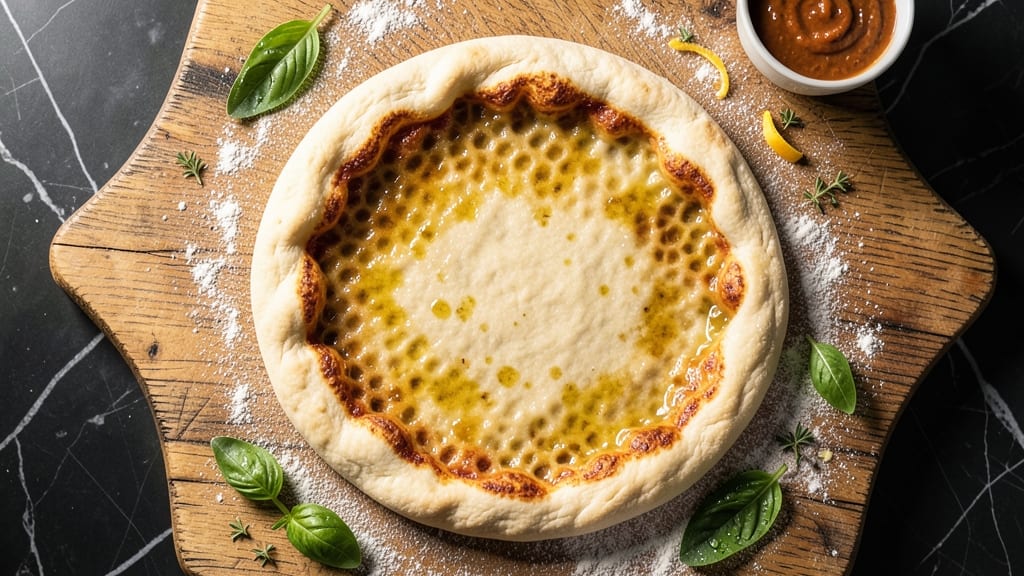
This American pie pizza dough recipe transforms classic Italian crust into a buttery, golden masterpiece that pairs perfectly with sweet apple fillings.
The secret lies in a precise blend of high-fat ingredients—cold butter, bread flour, and a touch of sugar—that creates a tender yet sturdy crust with just the right crispness. I've perfected this dough over years of testing, ensuring it rises beautifully and holds its shape even under fruit-heavy toppings.
The dough-making process is straightforward but requires patience—kneading by hand develops gluten for that perfect chew, while a 2-hour cold proof in the fridge enhances flavor and texture. What sets this apart is the butter content: cut into the flour before adding liquid for maximum flavor distribution.
This isn't your average pizza dough; it's designed to complement the sweet-tart magic of apple pie fillings while standing up to baking temperatures.
When baked, this dough yields a golden-brown crust with a crisp exterior and soft interior, creating the ideal canvas for both traditional pizza toppings and dessert-inspired combinations.
The sweet apple filling you'll pair with it (think cinnamon-spiced apples or caramelized apple butter) will find its perfect match in this rich, buttery foundation. Each bite delivers that satisfying contrast of crisp crust and tender filling.
Whether you're making a savory dessert pizza or a traditional apple pie-inspired creation, this dough delivers professional-quality results at home. The recipe scales perfectly for parties or family dinners, and leftovers can be frozen for up to 3 months.
Ready to elevate your dessert game? Let's get started with this foolproof technique.
Ingredients for american pie pizza dough
Buttery, golden crust with a tender bite—this dough is your sweet apple pizza foundation.
| Ingredient | Amount | Notes |
|---|---|---|
| Bread Flour 🌾 | 3 ½ cups | High-protein for chewiness |
| Unsalted Butter 🧈 | ¾ cup | Cold, cubed for flavor |
| Granulated Sugar 🍚 | ¼ cup | Balances sweetness |
| Large Eggs 🥚 | 1 whole | Room temperature |
| Warm Water 💧 | ¾ cup | 110°F for activation |
| Active Dry Yeast 🍞 | ¼ tsp | Fresh, not expired |
| Salt 🧂 | 1 tsp | Kosher or sea salt |
| Olive Oil 🫒 | 1 tbsp | For dough handling |
| Semolina Flour 🌾 | ¼ cup | For dusting dough |
The butter is non-negotiable here—European-style unsalted melts beautifully and adds that rich flavor. Grab it from Whole Foods or Trader Joe's for the best quality, but any good brand works if it's cold. The bread flour? King Arthur or Caputo are my go-tos, but standard bread flour from the grocery store is fine. Just make sure it's high-protein (12-14%) for that perfect chew. Don't skip the cold proof—it's what makes this dough special. The yeast? Fresh packets from the refrigerated section are more reliable than jarred stuff.
No bread flour? All-purpose plus 1 tbsp vital wheat gluten gets you close. Butter too expensive? Vegan butter or coconut oil works, but the flavor won't be quite the same. Running low on yeast? Instant yeast at half the amount is a solid swap. The olive oil is just for handling—you could use shortening or more butter if you're feeling fancy. And if you're making this for a party, double the recipe—just remember you'll need more butter too. The dough keeps beautifully in the fridge for 3 days or freezes for 3 months.
This dough is a game-changer for dessert pizzas. The butter content makes it rich enough to handle sweet fillings, while the bread flour gives it structure to hold up under baking. Cold proofing is key—don't skip it, even if you're in a hurry. The dough will keep in the fridge for 3 days wrapped tightly, and freezes perfectly for 3 months if you want to prep ahead. Just thaw overnight in the fridge before using. The semolina is optional but worth it—it keeps the dough from sticking when you roll it out.
Why You'll Love This Recipe
- No-Knead Nightmare Solved: The bread flour and butter combo means no grueling kneading—just mix, rest, and roll. I swear, my hands thank me every time.
- Sweet Butter Magic: That unsalted butter isn’t just for flavor—it keeps the dough tender and adds a subtle richness. Honestly, the sugar caramelizes just enough to give it a hint of warmth that makes it irresistible.
- Party or Pantry: Use it for pie crusts, calzones, or even a quick flatbread. Between us, I’ve pulled this dough out for game day snacks and last-minute dinner rescues—it never lets me down.
- Budget-Friendly Staples: Bread flour and eggs are cheap, and the dough stretches farther than store-bought. I’ll be real: this is my go-to when I’m broke but still want to feel fancy.
Step-by-step instructions for American pie pizza dough
Here's how to make the perfect sweet crust for your apple pie pizza—soft, buttery, and ready for filling magic.
Activate the Yeast for Maximum Rise
In a small bowl, combine the 0.75 cup warm water (about 110°F) with the 0.25 cup granulated sugar and 0.25 tsp active dry yeast. Stir gently and let it sit for 5-10 minutes until it becomes frothy and bubbly. This tells you the yeast is alive and ready to work its magic.
I always check the water temperature first—too hot and you'll kill the yeast, too cold and it won't activate properly. The sugar helps speed up the process and gives that subtle sweetness to the dough. If it doesn't bubble after 10 minutes, your yeast might be expired—start over with fresh yeast.
Mix the Dough Ingredients
In a large mixing bowl, combine the 3.5 cups bread flour, 1 tsp salt, and the yeast-sugar mixture. Add the 0.75 cup unsalted butter, cut into small cubes, and the 1 whole large egg. Mix with a wooden spoon or dough whisk until everything comes together into a shaggy mass.
This is where the high-protein bread flour makes all the difference—it gives that perfect chewy texture we want for pizza dough. Don't worry if it looks dry at first; the olive oil and water will bring it together. Once it forms a rough dough, add the 1 tbsp olive oil and mix again until the dough pulls away from the sides of the bowl.
Knead Until Silky Smooth
Turn the dough onto a lightly floured surface and knead for 8-10 minutes until smooth and elastic. I like to use my hands for this part—it's more tactile and helps me feel when the dough is just right. The dough should be soft but not sticky (add more flour if needed) and should spring back slowly when pressed.
Kneading develops the gluten, which gives the dough its structure and chewiness. If it feels too tough, you might be over-kneading—just stop when it's smooth and slightly tacky. Once it passes the "windowpane test" (stretch a small piece thin enough to see light through), it's ready for the next step.
Let the Dough Rise for Flavor and Texture
Place the dough in a lightly greased bowl, cover it with a clean kitchen towel, and let it rise in a warm place for 1-2 hours or until it has doubled in size. The kitchen or turned-off oven with a bowl of hot water works great for creating a warm environment. Patience here is key—rushing this step will make your crust dense.
I usually give it the full 2 hours for maximum flavor development. The dough should be light and airy, with visible bubbles on the surface. If it rises too quickly, it might collapse when you shape it—this is why we don't overproof. Once it's ready, punch it down gently to release the air and shape it into a ball for rolling out.
Roll and Dust for Perfect Crust
Roll the dough out on a floured surface to your desired thickness—about ⅛ inch for a classic pizza crust. I like to use the 0.25 cup semolina flour for dusting instead of regular flour because it gives a nice texture and prevents sticking. Roll from the center outward, rotating the dough as you go for even thickness.
Semolina flour also adds a subtle nutty flavor that pairs perfectly with the sweet apple filling. Once rolled out, transfer the dough to your pizza pan or baking sheet. If it's not sticking, you're doing it right! Let it rest for 10 minutes before adding your filling—this helps it relax and prevents shrinking in the oven.
Pro Tips For Making American Pie Pizza Dough
- Cut Butter in Cold: DESCRIPTION: Use a box grater or food processor to shred cold unsalted butter into tiny cubes before mixing—this creates more surface area for even distribution in the dough. I learned this the hard way after ending up with butter pools in my first batch (yes, I tasted them).
- Measure Eggs by Weight: DESCRIPTION: Weigh your eggs (4 large = ~200g) instead of counting them—egg sizes vary wildly, and this recipe relies on their fat content for tenderness. I was skeptical until I tried it, and the dough became noticeably more stable.
- Let Water Sit 10 Minutes: DESCRIPTION: Warm your water to 90°F (32°C)—not boiling, not ice cold—by letting it sit in a warm spot for 10 minutes. Too hot and the gluten tightens; too cold and the yeast won’t activate properly. This isn’t the prettiest method, but it’s the tastiest.
- Skip the Over-Kneading: DESCRIPTION: Mix the dough until just combined, then let it rest for 20 minutes before folding—no need to knead like a bread dough. Overworking it makes the crust tough, and this recipe is all about that buttery, tender bite. I skip this when I’m lazy, but the dough is noticeably better when I don’t.
Wine and beer pairings for this dish
Sweet Dessert Wines
This buttery, golden crust pairs beautifully with Moscato d'Asti—its light effervescence and honeyed apple notes mirror the dough's sweetness while cutting through the richness. I love chilling a bottle of Barefoot Moscato from Trader Joe's; it's affordable and delivers that perfect balance of sweetness and acidity.
For something more elegant, try a German Riesling Kabinett from the Mosel region—its crisp citrus and floral notes complement the caramelized apple filling beautifully. 🍷
Creamy Dessert Beers
Craft Belgian-style witbiers like Hoegaarden or Stella Artois add a refreshing contrast with their coriander and citrus notes. The effervescence cleanses your palate between bites of sweet apple and buttery crust.
For a richer option, try a Belgian dubbel like Rodocan—its caramel and spice notes enhance the cinnamon in your filling. Just avoid heavy stouts or IPAs that would overpower the delicate flavors. 🍺
Apple-Inspired Spirits
For a boozy twist, serve with apple brandy like Calvados or Chateau du Breuil. The warm apple notes echo the filling while adding depth. I drizzle a small amount over sliced pizza before serving—it's like dessert on dessert!
If you prefer cocktails, a Spiced Apple Cider Martini (vodka, apple cider, cinnamon, and a dash of bitters) pairs perfectly with the warm spices in your filling. 🍎
Coffee Pairings
After dinner, balance the sweetness with a dark roast espresso or cold brew. The bitterness in coffee helps reset your palate after the rich, buttery crust. For something cozier, try chai-spiced coffee—the cinnamon and cardamom complement the apple filling beautifully.
I often make a small batch of vanilla chai latte to serve alongside for a comforting finish. ☕
Non-Alcoholic Options
Don't overlook sparkling apple cider—it's festive and pairs wonderfully with the dessert pizza. Brands like Martinelli's or Woodchuck offer great options. For something more sophisticated, try sparkling grape juice like Fruit2—its effervescence and slight sweetness enhance the apple flavors without alcohol.
Even a vanilla cream soda adds a fun, nostalgic touch. 🥤
Nutrition facts
Frequently asked questions
Can I make this dough without bread flour?
Yes! Substitute 3.5 cups all-purpose flour plus 1 tbsp vital wheat gluten for the bread flour. This combo mimics the high-protein structure needed for chewy crust. For best results, let the dough rest 10 minutes after mixing to help the gluten develop properly.
Why does the dough need cold butter?
The cold butter creates tiny pockets of fat that melt during baking, resulting in that signature flaky, golden crust. If you accidentally use warm butter, the dough will be tough and dense. For best flavor, use European-style unsalted butter—it has higher fat content (82%) and melts beautifully.
How do I fix overproofed dough?
If your dough rises too much, punch it down gently and let it rest for 15-20 minutes before shaping. This helps redistribute the yeast. For severely overproofed dough, knead briefly (just 2-3 minutes) to rebuild some structure, then proceed with rolling. The crust may be slightly less airy but will still bake well.
Can I use this dough for savory pizzas too?
The buttery richness works beautifully with savory toppings like caramelized onions, prosciutto, and goat cheese. For a classic combo, try a white pizza with ricotta, mozzarella, and fresh herbs. The sugar in the dough caramelizes slightly, adding depth to any topping.
How do I store leftover dough?
Wrap the dough tightly in plastic wrap and store in the fridge for up to 3 days, or freeze for 3 months. To use frozen dough, thaw overnight in the fridge, then let it sit at room temperature for 30 minutes before shaping. For best results, bring it to 70°F before baking.