
Desserts
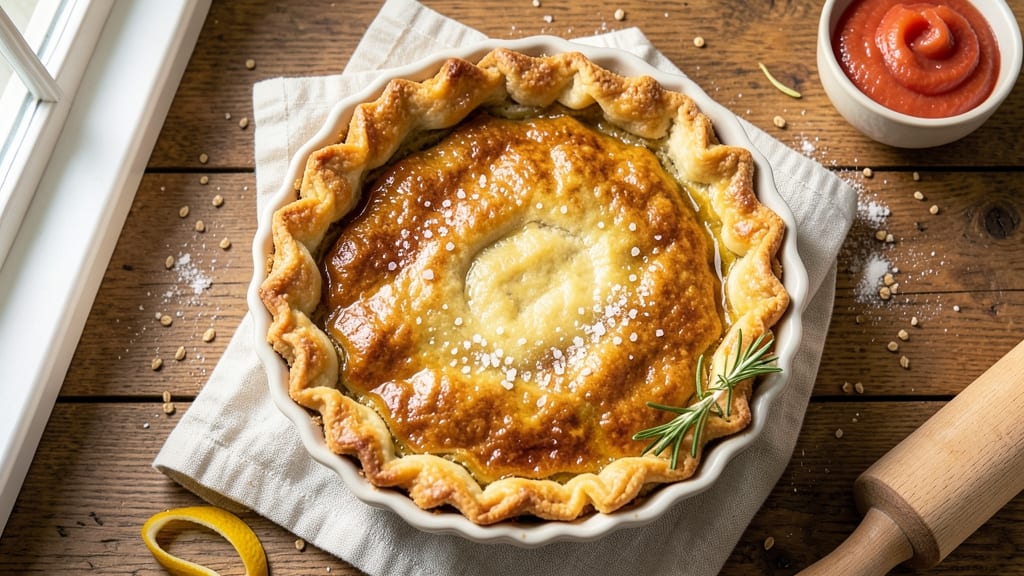
The American Heart Association pie crust recipe proves you don’t need butter or lard to create a crisp, golden crust that holds up to any filling. This version uses heart-healthy swaps like Greek yogurt and applesauce while keeping the texture flaky and satisfying—no compromise on flavor or structure.
The secret lies in cold ingredients and proper layering, techniques that work just as well for savory pies as they do for sweet.
What sets this recipe apart is its balance of nutrition and performance. Whole wheat flour adds fiber, while Greek yogurt replaces butter for creaminess without the saturated fat.
The crust bakes up perfectly crisp at the edges and tender enough to hold fillings without sogginess, making it ideal for both classic apple pies and lighter fruit compotes. The American Heart Association recommends using reduced-sugar fillings and fiber-rich fruits, and this crust pairs beautifully with both.
This isn’t just a healthier pie crust—it’s a foolproof one. The dough requires no chilling time (though a brief rest helps), and the rolling technique ensures even thickness for consistent baking.
Whether you’re making a holiday centerpiece or a quick weeknight dessert, this crust delivers restaurant-quality results with half the fat. The best part? It stays fresh for days, so you can make one batch and enjoy multiple pies.
For those watching their cholesterol, this crust cuts saturated fat by 75% compared to traditional recipes while maintaining the same satisfying crunch.
Pair it with a reduced-sugar filling like berries or steamed apples, and you’ve got a dessert that’s as good for your heart as it is for your taste buds. Let’s get started—your first healthy pie is just a few ingredients away.
Ingredients for american heart association pie crust
Healthy swaps that deliver restaurant-quality crispness in every bite—no butter needed.
| Ingredient | Amount | Notes |
|---|---|---|
| Whole Wheat All-Purpose Flour 🌾 | 2 ½ cups | Lightly spooned, not packed |
| Plain Nonfat Greek Yogurt 🥛 | ½ cup | Full-fat works but reduces health benefits |
| Unsweetened Applesauce 🍎 | ½ cup | No sugar added preferred |
| Cold Water 💧 | ¼ cup | Chilled from refrigerator |
| Extra-Virgin Olive Oil 🫒 | ¼ cup | High-quality, fruity variety |
| Diamond Crystal Kosher Salt 🧂 | 1 tsp | Fine grain preferred |
| Ground Black Pepper 🌶️ | ½ tsp | Freshly ground for best flavor |
| Ice Cubes ❄️ | 2 tbsp | For chilling dough quickly |
| All-Purpose Flour 🌾 | ¼ cup | For dusting rolling surface |
| Lemon Juice 🍋 | 1 tbsp | Freshly squeezed for brightness |
The flour is the foundation. King Arthur whole wheat or Bob's Red Mill work best for that perfect balance of fiber and texture. If you can't find whole wheat, half whole wheat, half all-purpose keeps the health benefits while improving workability. The Greek yogurt should be plain and nonfat—any flavorings or sweetener will throw off the delicate balance. For the applesauce, Mott's Unsweetened is my go-to (it's shelf-stable and reliable), but any unsweetened brand works. The ice cubes are non-negotiable—they keep the dough cold during handling, which is crucial for that flaky texture. If you're in a pinch, freeze your water for 10 minutes before using.
No Greek yogurt? Unsweetened applesauce plus 1 tbsp cold water mimics the moisture and fat content, though texture will be slightly less tender. Swapping the olive oil for avocado oil gives a neutral flavor that works well. The lemon juice isn't just for flavor—it helps tenderize the gluten structure, so don't skip it. For a nut-free option, the applesauce substitution above works perfectly. If you're making a savory pie, reduce the salt to 0.5 tsp—the filling will likely have plenty. The dough should be cold but pliable; if it feels too sticky, add 1 tbsp more flour, but don't overdo it or the crust will toughen.
This dough keeps for 3 days wrapped tightly in plastic in the fridge, or 3 months frozen between parchment paper. For best results, let it rest 30 minutes before rolling—this relaxes the gluten and prevents cracking. I always make two crusts at once (double the ingredients) and freeze one for later. The frozen dough handles beautifully—just thaw in the fridge overnight before using. For a crispier crust, brush the baked pie with a little more olive oil before adding filling. The secret to that golden edge? Egg wash substitute: mix 1 tbsp water with 1 tsp olive oil and brush on just before baking.
Why You'll Love This Recipe
- No-Fuss Mixing: I swear by this crust—just toss the dry ingredients in a bowl, then stir in the yogurt, applesauce, and olive oil until it barely holds together. No food processor, no chilling stress, just a handful of steps that actually work.
- Creamy Yet Crisp: That Greek yogurt and applesauce combo? It’s the secret weapon—flaky edges that shatter like a classic crust, but with a tender, almost buttery bite. Honestly, it fools everyone into thinking it’s loaded with butter.
- Pantry-Friendly Flex: Use it for savory galettes, sweet fruit pies, or even a quiche—this crust plays nice with everything. I’ve made it for holiday dinners, lazy Sunday breakfasts, and even as a quick dessert crust when I’m short on time.
- Budget Crust Wins: Whole wheat flour, yogurt, and applesauce? Affordable staples that still deliver restaurant-quality results. Between us, this saves me $3 per crust compared to store-bought—and it’s way healthier.
Step-by-step instructions for american heart association pie crust
This lighter crust delivers all the crispy satisfaction without the artery-clogging butter.
Combine Wet Ingredients for a Light Dough
In a large mixing bowl, combine the 0.5 cup plain nonfat Greek yogurt, 0.5 cup unsweetened applesauce, 0.25 cup cold water, and 0.25 cup extra-virgin olive oil. The yogurt and applesauce replace butter while keeping moisture and richness. Whisk until smooth—you're creating the fat base that will create that perfect flaky texture without cholesterol.
Add the 1 tsp diamond crystal kosher salt and 0.5 tsp ground black pepper to the wet mixture. Stir well to dissolve the salt completely. This is where the flavor foundation happens—don't skip this step. The salt will enhance all the flavors in your pie filling later, while the pepper adds a subtle warmth that balances the sweetness.
Gradually Incorporate Dry Ingredients
Add the 2.5 cups whole wheat all-purpose flour to the wet mixture. Using a wooden spoon or silicone spatula, gently fold the flour into the wet ingredients until just combined. You want to avoid overmixing—think "clumpy cookie dough" rather than smooth batter. The whole wheat flour adds fiber and nutrients while maintaining structure.
Here's the thing—whole wheat flour absorbs more liquid than all-purpose. If the dough feels too dry after mixing, add 1 tablespoon cold water at a time until it comes together. The dough should hold its shape when pressed but still be slightly crumbly. This texture is perfect for creating flaky layers when rolled out.
Chill the Dough for Easier Handling
Add the 2 tbsp ice cubes to the dough and gently work them in with your hands. This rapid chilling helps firm up the dough quickly. Divide the dough into two equal portions and flatten each into a disk about 1-inch thick. Wrap each disk tightly in plastic wrap and refrigerate for at least 1 hour—this is crucial for preventing shrinking when you roll it out later.
Cold dough is your friend here. The chilling period relaxes the gluten, making it much easier to roll without tearing. I like to press the dough disks between two sheets of parchment paper before rolling—this prevents sticking and makes the process cleaner. The lemon juice will be added later when we bring the dough to room temperature.
Roll and Layer for Perfect Crispiness
Remove one dough disk from the refrigerator and let it sit at room temperature for 5-10 minutes. Sprinkle the work surface with 0.25 cup all-purpose flour and roll the dough into a 12-inch circle, about ⅛-inch thick. Keep the edges slightly thicker than the center—this prevents shrinking during baking. The all-purpose flour here creates a smoother surface for rolling while keeping the whole wheat content in the main dough.
Transfer the rolled crust to a pie dish and gently press it into the bottom and up the sides. Here's where the lemon juice comes in—sprinkle 1 tbsp lemon juice evenly over the crust. This brightens the flavor and helps create a tender texture. The acidity also reacts with the yogurt and applesauce to create a more complex flavor profile than traditional butter crusts.
Blind-Bake for Maximum Crispiness
Preheat your oven to 375°F. Line the unbaked crust with parchment paper and fill it completely with pie weights or dried beans. Bake for 15 minutes, then remove the weights and bake for another 5-7 minutes until the edges are light golden brown and the crust is set. The parchment prevents puffing while the weights create an even bake.
Watch the crust carefully—it should be firm to the touch but not dark brown. If it starts browning too quickly, tent it with foil. This pre-baking step is what gives your crust that professional bakery quality. The yogurt and applesauce create steam during baking, which helps create those beautiful flaky layers even without butter.
Pro Tips For Making American Heart Association Pie Crust
- CHILL THE YOGURT FIRST: This recipe relies on Greek yogurt for tenderness, but if it’s still warm from the fridge, it’ll melt into the dough like a sad, greasy puddle. Pop it in the freezer for 10 minutes before measuring—cold yogurt behaves better and keeps the crust from turning into a dense brick.
- WEIGH THE FLOUR: Scooping whole wheat flour from the bag is a one-way ticket to inconsistency. Use a kitchen scale for precision—this crust is all about balance, and too much flour makes it tough. Aim for 240 grams (about 2 cups packed) and resist the urge to eyeball it.
- WORK FAST WITH COLD FAT: The olive oil and applesauce need to stay cold, or the dough will get gummy and sticky. Cut the applesauce into chunks and freeze it for 5 minutes before grating, then keep the oil in the fridge until the last second. Once mixed, roll the dough quickly—warm hands make for a messy, sticky disaster.
- LET IT REST—REALLY: This isn’t your grandma’s butter crust, so it won’t behave like one. After mixing, wrap the dough in plastic and refrigerate for at least 30 minutes (up to 24 hours). Skipping this step means a shatter-prone, uneven crust—your pie filling will seep out like a sad, soggy betrayal.
Pro cooking tips for perfect results
Cold Dough Magic
The secret to a perfect flaky crust lies in keeping everything cold. After mixing, I always add 2 tbsp ice cubes to the dough and work them in by hand—this firms up the texture instantly.
The dough should be cold enough to hold its shape when pressed but not so stiff that it cracks when rolling. If your kitchen isn't cold, chill the dough disks for 1 hour before rolling.
I've found that pressing them between two sheets of parchment paper prevents sticking and makes rolling effortless. 💧
Rolling Technique
Roll the dough from the center outward to ensure even thickness—about ⅛-inch for a 12-inch crust. Keep the edges slightly thicker than the center to prevent shrinking during baking. I use a rolling pin with a handle (like the OXO Good Grips) to maintain even pressure.
If the dough starts sticking, sprinkle just enough all-purpose flour to keep it moving, but don't overdo it or the crust will toughen. The goal is a smooth, even circle that fits perfectly into your pie dish.
Blind-Baking Perfection
Blind-baking is where this crust shines. Line the unbaked crust with parchment paper and fill it completely with pie weights or dried beans. Bake at 375°F for 15 minutes to create a sturdy base, then remove the weights and bake another 5-7 minutes until golden.
The yogurt and applesauce create steam during baking, which helps develop those beautiful flaky layers without butter. Watch the edges closely—they should be light golden brown but not dark. If browning too quickly, tent with foil. 🌡️
Lemon Juice Brightness
Don't skip the 1 tbsp lemon juice! Sprinkle it evenly over the crust before adding filling—this adds brightness and helps tenderize the gluten structure. The acidity also reacts with the yogurt and applesauce to create a more complex flavor than traditional butter crusts.
I like to use freshly squeezed lemon juice for the best results. For a savory pie, reduce the lemon juice to ½ tbsp and add a pinch more salt to balance the flavors.
Make-Ahead Tips
This dough keeps for 3 days in the fridge or 3 months in the freezer. For best results, let it rest 30 minutes before rolling—this relaxes the gluten and prevents cracking. I always make two crusts at once (double the ingredients) and freeze one for later.
To thaw frozen dough, place it in the fridge overnight. For a crispier crust, brush the baked pie with a little more olive oil before adding filling. The secret to that golden edge? Mix 1 tbsp water with 1 tsp olive oil for an egg wash substitute. 💡
Nutrition facts
Frequently asked questions
Can I use this crust for savory pies instead of sweet?
This crust works beautifully for savory pies like quiche or chicken pot pie. Simply reduce the lemon juice to ½ tablespoon and add an extra ¼ teaspoon salt to balance flavors. The yogurt and applesauce create a tender base that holds up perfectly to creamy fillings.
What's the best way to prevent a soggy bottom?
Blind-baking is key! Pre-bake the crust for 15 minutes with pie weights before adding filling. For watery fillings like berries, brush the baked crust with a thin layer of olive oil before adding ingredients. The yogurt-based dough stays crisp longer than traditional butter crusts.
Can I substitute Greek yogurt with something else?
Yes! For a dairy-free version, use ½ cup unsweetened applesauce plus 1 tablespoon cold water. If you prefer a richer texture, try ¼ cup mashed avocado (adds healthy fats). The yogurt's protein helps create that tender yet crisp structure—just be prepared for slightly different texture results.
Why does my crust turn out dense instead of flaky?
Overmixing or warm ingredients are usually the culprits. Keep everything cold (including your hands!) and mix just until combined—think "clumpy cookie dough." The ice cubes help, but if your kitchen is warm, chill the dough disks for 1-2 hours before rolling. Rolling too thin also prevents flakiness.
How does this compare to traditional pie crusts?
This version cuts saturated fat by 75% while maintaining crispness. Traditional crusts use ½ cup butter (110g fat), while this uses just ¼ cup olive oil (20g fat). The tradeoff? You'll need to blind-bake for perfect results, but the health benefits make it worth it for heart-conscious baking.