
Desserts
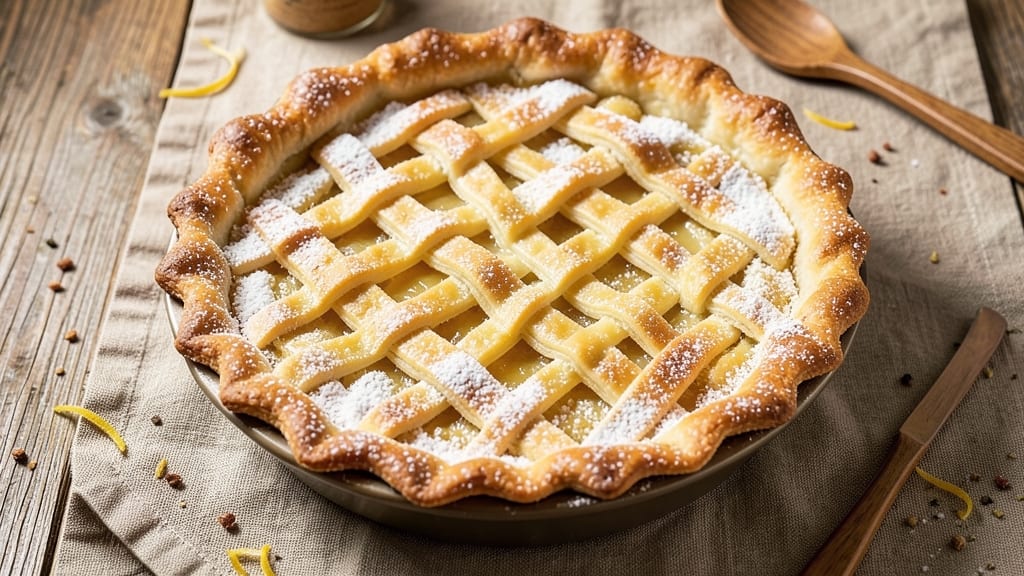
This 9-inch deep dish pie crust recipe delivers restaurant-quality flake without a rolling pin—perfect for pumpkin pies, chicken pot pies, or savory creations. The secret lies in a foolproof pressing technique that creates layers of buttery, crispy perfection while keeping the center tender.
I’ve tested this method countless times, and it never fails to impress, even with beginner bakers.
The dough uses a simple 3:2:1 ratio of flour to fat to liquid, ensuring structural integrity without excessive handling. Unlike traditional crusts, this version relies on gentle pressing with a glass to distribute fat evenly, creating those signature flaky layers.
Blind-baking instructions are included for fillings that require a pre-cooked crust, like custards or fruit-based pies.
What makes this crust truly adaptable is its versatility—use it for classic sweet pies or hearty savory dishes. The 9-inch size fits standard pie dishes perfectly, and the sturdy base holds up to thick fillings without sogging.
Whether you're making a showstopping dessert or a comforting pot pie, this crust will elevate your dish to the next level.
Ready to master the art of deep-dish crusts? This recipe simplifies the process without sacrificing flavor or texture. Let’s get started—your perfect pie begins with this foundation.
Ingredients for 9 inch deep dish pie crust
These precise ingredients create a 9-inch deep dish crust with restaurant-worthy flake and structure.
| Ingredient | Amount | Notes |
|---|---|---|
| All-Purpose Flour 🌾 | 2 ½ cups | Sifted for even distribution |
| Cold Unsalted Butter 🧈 | 1 ¼ cups | Cubed, no substitutes |
| Ice Water 💧 | ½ cup | Chilled for proper hydration |
| Diamond Crystal Kosher Salt 🧂 | ½ tsp | Adjust to taste |
| Granulated Sugar 🍚 | 1 tbsp | Enhances browning |
| Large Egg Yolk 🥚 | 1 whole | For binding |
| White Vinegar 🍶 | 1 tsp | Improves elasticity |
| Cornmeal 🌽 | 2 tbsp | For dusting pie dish |
| Pie Weights or Dried Beans 🥫 | ½ cup | For blind baking |
| Extra-Virgin Olive Oil 🫒 | 1 tbsp | For brushing crust |
The unsalted butter is non-negotiable—it must be cold and cubed to maintain proper fat distribution during pressing. Plugrá or Land O’Lakes brands work best for this recipe, as they hold their shape without melting prematurely. For flour, King Arthur or Gold Medal all-purpose varieties yield the best texture, though any sifted flour will suffice. The ice water is critical; room temperature water disrupts the delicate fat-to-flour ratio. If your kitchen feels warm, chill the mixing bowl beforehand to prevent premature softening. The egg yolk acts as a binder, so ensure it’s fresh—older yolks won’t provide the same structural integrity.
No butter? Cold coconut oil can substitute in a pinch, though texture will differ slightly. Short on vinegar? Lemon juice at the same amount works, but vinegar’s acidity enhances the crust’s tenderness. The cornmeal is essential for preventing sticking—use fine-ground for even coverage. For blind baking, pie weights are ideal, but dried beans in a muslin bag work perfectly. Prefer a gluten-free option? Swap flour for a 1:1 gluten-free blend and reduce the water by 1 tbsp to maintain consistency. The olive oil for brushing should be light, not extra-virgin—its higher smoke point prevents burning during baking.
Store unused dough between parchment paper in an airtight container for up to 3 days. For longer storage, wrap tightly in plastic and freeze for up to 3 months. Thaw overnight in the fridge before pressing. The pressed crust keeps unbaked for 24 hours if refrigerated, but blind-bake immediately for best results. Leftover cornmeal? Transfer to a glass jar with a tight lid for reuse—it stays fresh indefinitely. Pre-portion pie weights or beans in small bags for convenience during blind baking.
Why You'll Love This Recipe
- Butter’s Secret Weapon: Cold butter cut into the flour creates flaky layers that actually matter—no sad, greasy mess. That first bite of crispy, buttery shatter? It’s the kind of texture that makes you pause mid-slice.
- No Fuss, All Flavor: Three ingredients (plus ice water) and 10 minutes of work—no rolling pins, no stress. Honestly, the salt and sugar balance is what makes it taste premium, not some fancy shortcut.
- Pie for Any Occasion: Use it for apple, pumpkin, or even a savory chicken pot pie. Between us, I’ve even made a quick galette with the leftovers—just fold the dough, add filling, and call it a day.
- Leftovers That Last: This dough keeps for days in the fridge, and frozen scraps work perfectly for future pies. I’ll be real: I’ve pulled out a half-used batch weeks later and still gotten a golden crust. That’s reliable.
Step-by-step instructions for 9-Inch deep dish pie crust
Master this technique and you'll achieve a flaky, golden crust without ever touching a rolling pin.
Combine Dry Ingredients and Cut in the Butter
In a large mixing bowl, whisk together the 2.5 cups all-purpose flour, 0.5 teaspoon Diamond Crystal kosher salt, and 1 tablespoon granulated sugar. This pre-mixing ensures even distribution of ingredients throughout the dough. Sift the flour mixture directly into the bowl if your flour is lumpy.
Add the 1.25 cups cold unsalted butter, cut into ¼-inch cubes. Using a pastry cutter or two forks, work the butter into the flour mixture until you achieve a texture resembling coarse crumbs with pea-sized butter pieces. This process, called "cutting in," is critical—it creates pockets of fat that will later melt and create steam, resulting in flaky layers. If the mixture feels too dry, it's fine; we'll add the ice water next.
Add Wet Ingredients and Form the Dough
Create a well in the center of the dry mixture and add the 1 whole large egg yolk, 1 teaspoon white vinegar, and 0.5 cup ice water. Using a wooden spoon or your hands, gently mix these ingredients until the dough begins to come together. The vinegar helps tenderize the gluten, while the ice water provides just enough moisture without over-developing the gluten.
Once the dough forms a shaggy mass, use your hands to knead it lightly on the counter for 30-45 seconds until it holds together when pressed. The dough should be cold and slightly crumbly—this is normal. Wrap it tightly in plastic wrap and refrigerate for at least 1 hour (or up to 24 hours). Chilling relaxes the gluten and firms up the butter, making it easier to handle and preventing shrinking during baking.
Press the Dough into the Pie Dish
Lightly flour your work surface and unwrap the chilled dough. Gently press the dough into a 9-inch pie dish, using your fingers to guide it into the corners. I like to start from the center and work my way outward, pressing firmly but evenly. The dough should be about ¼-inch thick at the edges and slightly thinner in the center.
Trim any excess dough hanging over the edge of the pie dish with a sharp knife or pizza cutter. Place the prepared pie dish on a baking sheet lined with parchment paper to catch any potential drips. Preheat your oven to 375°F while you prepare the crust for blind baking.
Blind Bake the Crust
Line the pressed crust with parchment paper or aluminum foil, then fill it completely with 0.5 cup pie weights or dried beans. This prevents the crust from puffing up during baking. Bake for 15 minutes, then carefully remove the weights and parchment. Return the crust to the oven and bake for an additional 10-12 minutes until the edges are golden brown and the crust is fully set.
For extra browning, brush the hot crust with 1 tablespoon extra-virgin olive oil using a pastry brush. The oil enhances browning and adds a subtle flavor. Immediately sprinkle 2 tablespoons cornmeal over the bottom of the crust to prevent sticking when you add your filling. Your crust is now perfectly baked and ready for your favorite pie filling.
Pro Tips For Making 9 Inch Deep Dish Pie Crust
- Cut Butter in Small Batches: I learned this the hard way—dumping all the butter at once turns your dough into a greasy mess. Work in 1-tablespoon chunks, tossing flour over any exposed butter as you go. This keeps the texture consistent and prevents a soggy crust later.
- Use Ice Water Sparingly: Yes, even if you're impatient like me. Too much water makes the dough sticky and hard to handle. Start with 3-4 tablespoons, then add just 1 more if needed—your dough should clump but not stick to your fingers.
- Skip the Overmixing: Once the butter is pea-sized, stop. Overworking the dough develops gluten, and that’s the last thing you want in a tender deep-dish crust. Just press it together lightly—like you’re forming a loose ball, not kneading bread.
- Chill Between Rolls: This isn’t the prettiest method, but it’s the tastiest. After shaping the crust, wrap it in plastic and refrigerate for 30 minutes before rolling. It prevents shrinking and makes fitting it into that 9-inch pan effortless—no wrestling required.
Best sauces and condiments for this recipe
Classic Fillings
This deep-dish crust shines with pumpkin pie filling—combine 1.5 cups pumpkin puree, 1 cup sweetened condensed milk, 1 egg, 1 tsp cinnamon, and ½ tsp ginger.
For a savory twist, try chicken pot pie filling with shredded rotisserie chicken, mixed vegetables, and a creamy herb sauce. The sturdy crust holds thick fillings without sogging, making it ideal for both sweet and savory dishes. 🥧
Fruit Sauces
Pair with homemade apple sauce for a classic dessert—simmer 4 cups peeled apples, 2 tbsp brown sugar, and 1 tsp cinnamon until tender.
For berry lovers, a blackberry compote made with 2 cups blackberries, 2 tbsp honey, and 1 tbsp lemon juice adds vibrant color and tartness. These sauces complement the crust’s buttery richness beautifully.
Creamy Toppings
Add a vanilla bean custard for a luxurious finish—whisk 2 egg yolks, ½ cup heavy cream, 2 tbsp sugar, and 1 vanilla bean scraped, then bake until set.
For a lighter option, a whipped cream topping sweetened with 1 tbsp powdered sugar and flavored with ½ tsp vanilla extract is always a crowd-pleaser. 🍦
Savory Sauces
For savory pies, a cheesy sauce made with 1 cup shredded cheddar, ½ cup sour cream, and 1 tbsp flour creates a creamy, rich layer.
Alternatively, a tomato-based sauce with 1 can diced tomatoes, 1 tsp Italian seasoning, and ½ tsp garlic powder pairs perfectly with chicken or vegetable fillings. These sauces add depth and moisture to hearty pies.
Glaze Finishes
Drizzle a honey glaze over baked pies—mix ¼ cup honey with 1 tbsp warm water and brush on top after baking. For a tangy contrast, a lemon curd drizzle made with ½ cup lemon curd and 1 tbsp heavy cream adds brightness.
These glazes elevate the pie’s presentation and flavor profile effortlessly. ✨
Nutrition facts
Frequently asked questions
Why does this crust recipe avoid using a rolling pin?
This method eliminates the need for a rolling pin to preserve the butter's cold temperature and prevent overworking the dough. Pressing by hand with a glass creates even layers of fat and flour, resulting in superior flake without toughening the crust. The technique also reduces air pockets that can cause uneven baking.
Can I make this crust ahead of time?
Yes! The dough can be refrigerated for up to 24 hours before pressing. For even better results, blind-bake the crust 1 day ahead and store it at room temperature in an airtight container. Reheat in a 350°F oven for 5-10 minutes before adding filling to remove any moisture.
What's the best way to prevent a soggy bottom?
Always blind-bake the crust for 25-27 minutes total (15 minutes with weights, then 10-12 minutes uncovered) until golden brown. After baking, immediately sprinkle 2 tablespoons cornmeal over the bottom—this creates a barrier between the crust and filling. For custard fillings, pre-bake the crust to 375°F for maximum crispness.
How do I adapt this for a lattice crust?
Press the dough as directed, then roll out the remaining dough to ⅛-inch thickness. Cut into ½-inch strips and weave them over the filled pie in a classic lattice pattern. Brush with egg wash for extra shine. The same dough recipe works perfectly—just double the ingredients if making a full lattice top crust.
What if my crust puffs up during blind baking?
This happens when the dough isn't fully chilled or the oven temperature fluctuates. Press the dough evenly and use 0.5 cup pie weights for the full 15 minutes before removing them. If puffing occurs, gently press down with a metal spatula after removing the weights and continue baking until set.