
Desserts
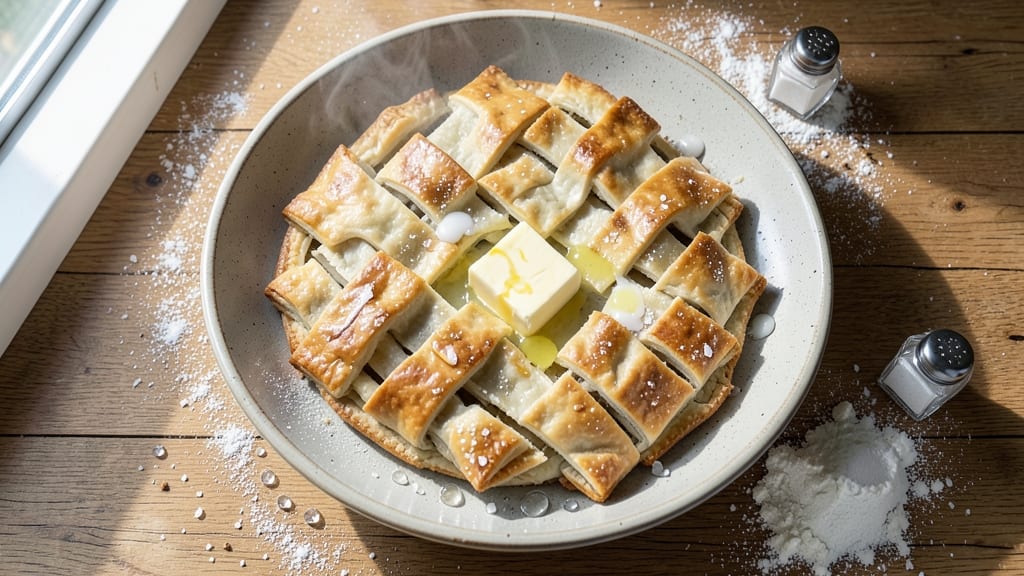
The secret to a flaky pie crust lies in these 5 pie crust recipes, each delivering that signature shatter-with-the-first-bite texture through precise technique—not just ingredients. From classic buttery perfection to gluten-free and vegan options, there's a crust here for every need and dietary preference.
What sets these recipes apart is the attention to detail—whether it's the cold butter method for maximum flakiness or the right balance of fat and flour for structure.
Each variation is designed to handle different fillings, from rich fruit pies to savory quiches, ensuring you always have the right crust for the job.
You'll learn how to handle dough like a pro, avoid common pitfalls, and achieve professional results every time. Whether you're baking a traditional apple pie or experimenting with a vegan lattice crust, these techniques will elevate your baking game.
Ready to master the art of pie crusts? Let's dive into the five recipes that will change the way you bake forever.
Ingredients for 5 pie crust
Five flaky foundations—classic, gluten-free, vegan, and more—each built for that signature shatter.
| Ingredient | Amount | Notes |
|---|---|---|
| All-Purpose Flour 🌾 | 5 cups | Sifted for light texture |
| Unsalted Butter 🧈 | 2 cups | Cold, cubed for flakiness |
| Ice Water 💧 | ½ cup | Chilled for precise hydration |
| Diamond Crystal Kosher Salt 🧂 | 1 ½ tsp | Fine grain for even distribution |
| Granulated Sugar 🍚 | 1 tbsp | Balances butter sweetness |
| White Vinegar 🍶 | 1 tbsp | Enhances gluten development |
| Xanthan Gum 🧪 | ¼ tsp | For gluten-free version |
| Coconut Oil 🫒 | ½ cup | Vegan butter substitute |
| Almond Flour 🌰 | 1 cup | Gluten-free base alternative |
| Ground Flaxseed 🌾 | 2 tbsp | Vegan egg replacement |
| Olive Oil 🫒 | ¼ cup | Vegan fat binder |
| Apple Cider Vinegar 🍎 | 1 tbsp | Vegan acidifier |
The butter is non-negotiable for flakiness—European-style has more fat, but Land O'Lakes works in a pinch. Keep it cold; if it melts, your crust will toughen. For gluten-free, Bob's Red Mill almond flour gives the best texture, but any fine almond flour will do. Vegan? Trader Joe's coconut oil is my go-to—it mimics butter's fat content perfectly. The xanthan gum is key for gluten-free versions; NOW Foods sells it in bulk if you bake often.
No cold butter? Freeze your butter cubes for 20 minutes before mixing. Short on vinegar? Lemon juice works 1:1. For the gluten-free version, substitute 1/4 cup more almond flour if your dough feels sticky. Vegan crusts need extra moisture—add 1 tbsp more ice water if it crumbles. The sugar isn't just for flavor; it prevents over-browning in the oven. Skip it if you're making a savory crust like quiche.
Butter dough keeps 3 days wrapped in plastic in the fridge, but gluten-free and vegan versions last only 2 days. Freeze dough balls for up to 3 months—thaw overnight in the fridge before rolling. For lattice crusts, chill the dough 1 hour before cutting strips to prevent sticking. Vegan crusts brown faster; brush with olive oil before baking to even out color.
Why You'll Love This Recipe
- No Fuss, No Mess: I swear by this method—just cold butter, flour, and ice water tossed together until it holds. No food processor, no stress, and no waiting for dough to rest. Honestly, the texture comes out flaky every single time, even when I rush.
- Butter So Rich: That cold, cubed butter gets cut into the flour like tiny pockets of heaven. When it bakes, the steam releases and you get that perfect crispy lattice or tender base—no dry, sad pie crust here. Between us, I’ve tried store-bought, but this? This is the real deal.
- Pie For Any Day: Need a dessert for a potluck? A last-minute Thanksgiving side? This crust works for apple, pumpkin, or even savory galettes. I keep a batch in the fridge year-round because it’s the foundation for everything—and yes, even on a Tuesday night.
- Budget-Friendly Staples: Flour, butter, salt—these are pantry basics that won’t break the bank. A single batch stretches for pies, hand pies, or even a quick tart. I’ll be real: my grocery bill stays low, but my freezer stays full of homemade treats. Win-win.
Step-by-step instructions for flaky pie crust
Here's how to create the perfect flaky layers that will make your pie the star of any dessert table.
Prepare the Base Ingredients
In a large mixing bowl, combine the 5 cups all-purpose flour with the 1.5 teaspoons diamond crystal kosher salt and 1 tablespoon granulated sugar. Whisk these dry ingredients together until evenly distributed—this ensures consistent flavor and texture throughout the crust. If you're making a gluten-free version, add the 0.25 teaspoon xanthan gum to the flour mixture now.
For the fat component, place the 2 cups unsalted butter in the freezer for 15 minutes to firm up, then cut it into ¼-inch cubes. This cold butter is crucial for achieving those signature flaky layers. If you're making a vegan version, substitute 0.5 cup coconut oil for the butter, but keep it cold as well.
Combine Wet and Dry Ingredients
Create a well in the center of your dry ingredients and add the 0.5 cup ice water, 1 tablespoon white vinegar, and the 2 tablespoons ground flaxseed (for vegan binding). If you're making a vegan version, also add the 0.25 cup olive oil and 1 tablespoon apple cider vinegar to the water mixture. Use a fork or pastry cutter to work the cold butter cubes into the flour mixture until the texture resembles coarse crumbs with pea-sized butter pieces remaining.
This step is all about maintaining cold temperatures—warm butter creates tough crusts. If your kitchen feels warm, chill the bowl for 5 minutes before proceeding. The goal is to keep everything cold until the final assembly.
Form and Chill the Dough
Gradually add the remaining 0.5 cup ice water (or vegan substitute) 1 tablespoon at a time, mixing just until the dough begins to come together. Be careful not to overwork the dough—handle it as little as possible to preserve the flaky texture. Once the dough forms a shaggy mass, turn it out onto a lightly floured surface and gently shape it into a 1-inch thick disc. This disc should be uniform in thickness to ensure even baking.
Wrap the dough tightly in plastic wrap and refrigerate for at least 2 hours, or up to 48 hours. This long chilling period is essential—it allows the gluten to relax and the butter to firm up, resulting in that perfect shatter when baked. If you're short on time, you can freeze the dough for 30 minutes as a quick alternative.
Roll and Fit the Crust
On a lightly floured surface, roll the chilled dough into a 12-inch circle, about ⅛-inch thick. To prevent sticking, use a rolling pin dusted with flour and rotate the dough frequently. Here's the thing—if you're making a double-crust pie, keep one disk whole and cut the second disk into strips for the lattice top. For a single crust, simply transfer the rolled dough to your pie dish.
Ease the dough into the pie dish by gently folding it in half, then in half again, and unfolding it. Press it lightly into the corners, being careful not to stretch the dough—this can lead to shrinking during baking. Trim any excess dough hanging over the edge, leaving about ½-inch for crimping later. This is where the magic happens—your crust is now ready to be filled and baked into golden perfection.
Blind-Bake for Perfect Results
For a classic pie crust, preheat your oven to 375°F. Line the crust with parchment paper, fill it with pie weights or dried beans, and bake for 15 minutes. Remove the weights and bake for another 5-7 minutes until the edges are light golden brown. This blind-baking step prevents a soggy bottom when you add your filling later.
If you're making a vegan or gluten-free version, you may need to bake the crust for an additional 2-3 minutes to ensure it holds its shape. Once baked, remove the crust from the oven and let it cool for 10 minutes before adding your filling. This brief rest prevents the crust from shrinking when the hot filling goes in.
Pro Tips For Making 5 Pie Crust
- Use Cold Butter, Not Soft: I learned this the hard way—cutting butter straight from the fridge into flour gives you tiny, even pea-sized pieces that melt uniformly. If you use "room temperature" butter, you’ll end up with greasy clumps and a crust that won’t hold together. Keep that butter cold, even if it means chilling the dough for 10 minutes before rolling.
- Measure Ice Water Precisely: This recipe calls for ice water, but don’t just eyeball it. Use a kitchen scale or measuring cup—too much water makes the dough sticky and tough, while too little dries it out. Start with 4–5 tablespoons of ice water, then add 1 teaspoon at a time until the dough just comes together. (Yes, even if you’re impatient like me.)
- Skip Overworking the Dough: The moment the flour stops looking streaky and clumps into a shaggy mass, stop mixing. Overhandling develops gluten, which turns your flaky crust into a dense, chewy mess. Work the dough just until it holds when pressed—about 10–12 turns with a fork or your fingers. Less effort, better results.
- Chill Between Rolls: Rolling out pie dough is a workout, but the dough needs rest too. After the first roll, wrap it tightly and refrigerate for 20–30 minutes before transferring to your pie dish. This prevents shrinking and makes it easier to handle—no more dough crawling up the sides or tearing when you lift it. Trust me, it’s worth the wait.
Perfect pairings for this recipe
Classic Apple Pie
There’s no better partner for your flaky crust than a classic apple pie—the buttery layers contrast perfectly with spiced apples.
Use Granny Smith and Honeycrisp apples (peeled, sliced, and tossed with 2 tbsp lemon juice, 3 tbsp brown sugar, and 1 tsp cinnamon) for the ideal balance of tart and sweet. Serve warm with a scoop of vanilla bean ice cream to let the crust shine. 🍏
Savory Quiche
Transform your crust into a savory quiche by filling it with a rich custard of 6 eggs, 1 cup heavy cream, 1 cup shredded Gruyère, and ½ cup cooked bacon or caramelized onions.
The crisp edges and tender interior make this a perfect brunch dish. Add a sprinkle of fresh thyme before baking for an aromatic touch. 🧀
Pumpkin Pie
For a pumpkin pie, blend 1.5 cups pumpkin puree, 1 cup sweetened condensed milk, 2 eggs, 1 tsp cinnamon, and ½ tsp ginger into your pre-baked crust.
The crust’s flakiness holds up beautifully against the creamy filling, especially when topped with a dusting of nutmeg. Pair with whipped cream for a holiday-worthy dessert. 🎃
Lattice Topped Berry Pie
Cut your crust into ½-inch strips for a lattice design over a blueberry or blackberry filling (simmered with 2 tbsp cornstarch, 3 tbsp sugar, and 1 tbsp lemon zest).
The open weave lets the berries peek through while keeping them contained. Brush the lattice with egg wash before baking for extra crispness. 🫐
Sweet Potato Pie
A sweet potato pie turns your crust into a showstopper. Mix 2 cups mashed sweet potatoes, 1 cup evaporated milk, ½ cup maple syrup, and 1 tsp vanilla into your crust.
The crust’s flakiness complements the pie’s velvety texture, especially when garnished with toasted pecans or a drizzle of caramel. 🍠
Cheesecake Crust
For a no-bake cheesecake, press your crust into a 9-inch springform pan and bake until set. Layer with a graham cracker crust or leave it plain for a rustic look.
The buttery base prevents sogginess, making it ideal for New York-style cheesecake or lighter vegan cashew cheesecake. Top with fresh berries or caramelized honey. 🧀✨
Nutrition facts
Frequently asked questions
What's the secret to getting that perfect flaky texture?
Cold butter is your best friend! Keep your butter cubes frozen until just before mixing, and work quickly to avoid warming the dough. The key is maintaining those pea-sized butter pieces throughout the mixing process - they'll melt in the oven and create those signature layers. Also, never overwork the dough after adding water.
Can I make these crusts ahead of time?
Wrap dough discs tightly in plastic and refrigerate for up to 48 hours or freeze for 3 months. For gluten-free and vegan versions, chill only 24 hours max to prevent drying. Thaw frozen dough in the fridge overnight before rolling - never at room temperature to avoid losing that flaky texture.
Which crust works best for savory dishes like quiche?
The classic butter crust and the vegan olive oil crust both shine with savory fillings. For quiche, I recommend the classic version - the butter's rich flavor complements cheeses beautifully. Skip the sugar in the recipe if using for savory pies. The gluten-free crust also works well but may need a 1-2 minute longer bake to prevent sogginess.
Why did my crust turn out tough instead of flaky?
Most likely your butter warmed up during mixing! Check these common mistakes: using warm butter, overworking the dough, or not chilling the dough long enough. Also ensure you're using the right amount of water - too much creates tough crusts. For best results, keep everything cold and handle the dough minimally after adding water.
Can I substitute shortening for butter?
Technically yes, but I don't recommend it for these recipes. Shortening creates a different texture - more tender but less flavorful. If you must substitute, use 1 cup shortening instead of butter and add 1 tbsp extra water to compensate for the lack of moisture in shortening. For the best flavor and texture, stick with cold butter or coconut oil for vegan versions.