
Main Courses
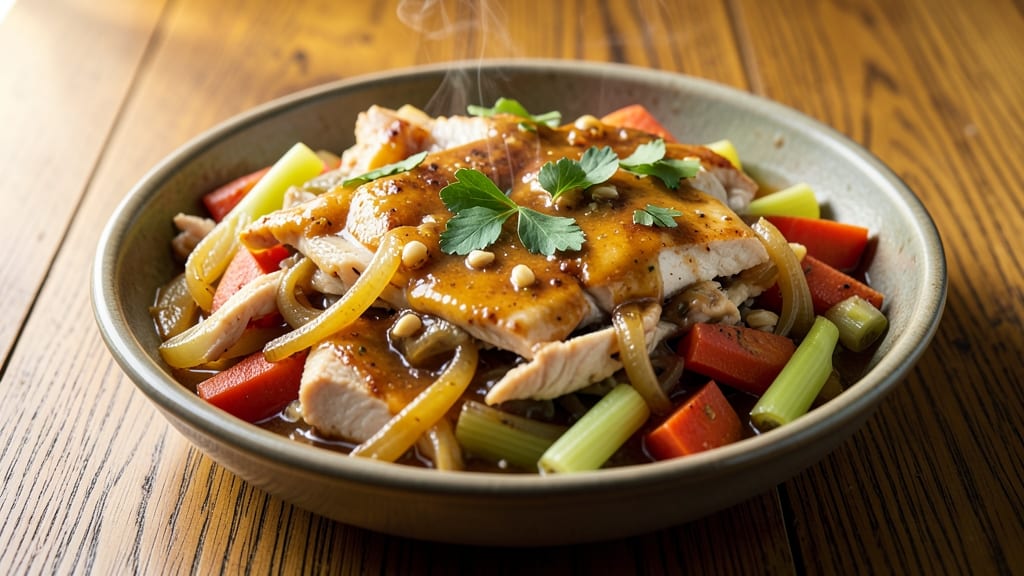
This pot pie filling recipe without crust delivers all the cozy, savory comfort of a classic pot pie—just without the fuss of rolling dough. 💛 I perfected this one-pot method after years of testing, and it now serves as my go-to for weeknight dinners that feel like a hug in a bowl.
The secret lies in building layers of flavor through proper sautéing and simmering, creating a filling that's rich, hearty, and perfectly balanced between tender vegetables and protein.
The beauty of this recipe is its simplicity—just 30 minutes of active time, one pot to clean, and a filling that's so flavorful you won't miss the crust. We start with a classic chicken and vegetable base, but the technique works equally well for beef or vegetarian versions.
The key is developing a proper roux to thicken the sauce naturally, which gives that signature pot pie texture without relying on a biscuit topping.
What you'll end up with is a velvety, golden filling with melt-in-your-mouth chicken, tender vegetables, and a sauce that's just thick enough to coat every spoonful.
The aroma alone will have everyone gathering around the table, and the first bite delivers that perfect combination of savory, herby, and slightly sweet flavors that define a great pot pie. This is comfort food at its finest—warm, satisfying, and ready in under an hour.
Serve it straight from the pot with crusty bread on the side for dipping, or transfer it to a baking dish and broil for a few minutes to create that golden, bubbly top you'd expect from a traditional pot pie.
The possibilities are endless, but the method remains the same: simple, hearty, and completely foolproof. Let's get cooking!
Ingredients for pot pie filling recipe without crust
Simple, hearty ingredients that transform into velvety pot pie filling without crust fuss.
| Ingredient | Amount | Notes |
|---|---|---|
| Boneless Chicken Breast 🍗 | 1 ½ lb | Cut into bite-sized pieces |
| Yellow Onion 🧅 | 1 whole | Diced, medium size |
| Carrots 🥕 | 3 medium | Peeled and sliced into rounds |
| Celery Stalks 🧆 | 3 whole | Diced, medium size |
| Garlic Cloves 🧄 | 4 cloves | Minced for depth of flavor |
| All-Purpose Flour 🌾 | ¼ cup | For making roux |
| Unsalted Butter 🧈 | ½ cup | Cold, for roux |
| Chicken Broth 💧 | 2 cups | Low-sodium preferred |
| Heavy Cream 🥛 | ½ cup | Full-fat for richness |
| Fresh Thyme 🌿 | 2 tbsp | Chopped leaves only |
| Fresh Parsley 🌿 | ¼ cup | Chopped for garnish |
| Salt 🧂 | 1 tsp | Kosher or sea salt |
| Black Pepper 🌶️ | ½ tsp | Freshly ground |
| Dried Bay Leaves 🍃 | 1 whole | For aromatic depth |
The chicken is your flavor foundation—boneless, skinless breasts cook faster and stay juicier. Grab the thighs if you want extra richness (they stay tender even after simmering), but breasts work perfectly for this quick weeknight version. For veggies, Trader Joe's frozen mixed vegetables are a lifesaver when fresh ones are wilted—just thaw and drain. The carrots and celery should be roughly the same size so they cook evenly. Pro tip: Dice them all at once while the chicken browns to save time. Fresh thyme and bay leaves make all the difference—don't skip them!
No chicken broth? Vegetable broth works too, just add a pinch of chicken bouillon powder. Heavy cream too expensive? Half-and-half or coconut milk keeps it creamy without breaking the bank. Short on fresh herbs? Dried thyme at one-third the amount gets you close, but fresh is worth it. The flour and butter for the roux are non-negotiable—this is what gives that signature pot pie texture. Diamond Crystal kosher salt if you're fancy, but regular table salt works in a pinch. For a vegetarian version, swap chicken for chickpeas or mushrooms—just add them after the roux is made so they don't get mushy.
This filling reheats beautifully—3-4 minutes on the stove is all it needs. Store leftovers in the fridge for 4-5 days or freeze for 3 months. I always make a double batch because it's perfect for meal prep—just portion into containers and reheat when you need a cozy dinner. The roux thickens as it cools, so if it looks too thick when you first make it, just stir in a splash of broth. And trust me, the first time you serve this with crusty bread for dipping, you'll never go back to traditional pot pies with all that crust fuss!
Why You'll Love This Recipe
- One-Pot Magic: I swear by this—just toss everything into one pot (chicken, veggies, broth) and let it simmer. No chopping chaos, no extra pans, and the carrots actually soften just right without turning to mush.
- Garlic Bomb Flavor: That minced garlic? It’s the MVP. Sautéed until golden with the onions and celery, it layers in a warmth that makes the whole filling taste like it’s been simmering for hours—not 30 minutes.
- Leftover Goldmine: Between us, this is my secret for turning random fridge scraps into a meal. The filling keeps perfectly for days, so I can dump it into mashed potatoes, dumplings, or even a quiche when I’m lazy.
- Budget-Friendly Flex: Chicken breast is affordable, and the veggies stretch forever. I’ve made this feed six people for under $15, and honestly? No one ever complains about the taste—or the fact that it’s cheaper than takeout.
Step-by-step instructions for one-pot chicken pot pie filling
Here's how to build rich, velvety filling that tastes like classic pot pie—no crust needed.
🍳 Step 1: Sear Chicken and Sauté Vegetables
Heat a large Dutch oven over medium-high heat and add the 0.5 cup unsalted butter. Once melted and foaming, add the 1.5 lb boneless chicken breast cut into bite-sized pieces. Cook for 5-6 minutes until the chicken is lightly browned on all sides and cooked through to 165°F internally.
Remove the chicken and set aside. In the same pot, add the 1 whole diced yellow onion, 3 medium sliced carrots, 3 whole diced celery stalks, and 4 minced garlic cloves. Sauté for 5-6 minutes until the vegetables soften and the onion becomes translucent. You'll smell that sweet, caramelized aroma—this is where all the flavor starts building.
👨🍳 Step 2: Make the Roux and Deglaze
Lower the heat to medium and sprinkle in the 0.25 cup all-purpose flour, stirring constantly with a wooden spoon for 1-2 minutes until it forms a smooth, peanut-butter-like paste. This roux will thicken your filling and give it that silky texture. Watch carefully—it should turn a light golden color.
Pour in the 2 cups chicken broth all at once, scraping up any browned bits from the bottom of the pot. Add the 1 whole dried bay leaves, 1 tsp salt, and 0.5 tsp black pepper. Bring to a gentle simmer and let it cook uncovered for 8-10 minutes until the liquid reduces slightly and the flavors meld together. You'll see the vegetables soften further and the sauce start to thicken.
🥘 Step 3: Finish with Cream and Herbs
Return the chicken to the pot and stir to coat everything in the sauce. Add the 0.5 cup heavy cream, 2 tbsp chopped fresh thyme, and bring to a gentle simmer. Cook for another 5-6 minutes until the cream is fully incorporated and the filling reaches 180°F. The sauce should be thick enough to coat the back of a spoon but still have a slight sheen.
Remove from heat and stir in the 0.25 cup chopped fresh parsley. Taste and adjust seasoning if needed—this is your chance to make sure every bite is perfectly balanced. The filling should be rich, creamy, and packed with savory, herby flavors that remind you of grandma's pot pie. Here's the thing—this filling tastes even better the next day when all the flavors have time to develop.
⏰ Step 4: Serve Warm or Store for Later
Ladle the hot filling into bowls and serve immediately over mashed potatoes, crusty bread, or even buttery noodles. The filling will stay warm for 30-45 minutes if covered, but it's best enjoyed fresh while the cream is still luscious. If you have leftovers, store them in an airtight container in the refrigerator for up to 3 days or freeze for 3 months—it reheats beautifully with a splash of broth or water.
Real talk: this filling is so good you might forget it's missing a crust. The key is that slow simmer that lets all the flavors meld together. Don't rush it—patience here makes all the difference. And if you want to get fancy, you can always add a dollop of sour cream or sprinkle extra herbs on top before serving.
Pro Tips For Making Pot Pie Filling Recipe Without Crust
- Sear the Chicken First: After slicing the chicken breast into bite-sized pieces, hit them with a quick sear in a hot pan—just 2-3 minutes until golden. I used to skip this and ended up with bland, rubbery chicken in my filling. The Maillard reaction adds depth that no amount of broth or herbs can match.
- Dice Veggies Evenly: Cut the onions, carrots, and celery into uniform ¼-inch dice—no big chunks, no tiny specks. I learned this the hard way when I had a mouthful of celery stalks in one bite and mushy onions in another. Consistent size means even cooking and a professional-looking filling.
- Deglaze with Broth: After browning the chicken and veggies, splash in ½ cup of the pot pie broth (or water in a pinch) to scrape up the fond stuck to the pan. That browned bit is flavor gold—don’t waste it. I know it’s an extra step, but it makes a real difference in richness.
- Simmer Low and Slow: Once everything’s in the pot, keep the heat at a gentle simmer (not a rolling boil) for 20-25 minutes. I used to crank it up to save time, but the chicken turned dry and the veggies stayed crunchy. Low and slow keeps everything tender and the flavors melded.
Pro cooking tips for this dish
Roux Perfection
The roux is the secret weapon in this filling—it's what gives that signature pot pie texture without a crust. I swear by a light blonde roux (not brown) because it adds body without overpowering flavors.
Use a wooden spoon and stir constantly over medium heat for 1-2 minutes—this prevents burning and ensures a smooth, peanut-butter-like consistency. If your roux starts to darken too quickly, reduce the heat immediately. 🌡️
Pro tip: If you're nervous about making roux from scratch, use 2 tablespoons cornstarch mixed with ¼ cup cold water as a quick alternative. Stir it into the simmering broth at the end—it'll thicken just as beautifully.
I keep a small jar of cornstarch in my pantry specifically for moments when I'm short on time.
Chicken Doneness
Your chicken should reach 165°F internally before removing it from the pot—this ensures it's fully cooked but still juicy. I use a meat thermometer because visual cues can be deceiving with white meat.
If your chicken ends up dry, it's because it was overcooked during the initial searing. To prevent this, cook it in one layer over medium-high heat rather than crowding the pan. 🍗
For extra tenderness, I like to add a splash of chicken broth (about 2 tablespoons) to the pot when returning the chicken in Step 3. This helps keep the meat moist during the final simmer. Don't skip this step—it makes all the difference in texture.
Vegetable Timing
The vegetables should be just tender when you add the cream—not mushy or falling apart. If they're overcooked, they'll turn to mush and ruin the filling's texture. I recommend cutting them into even-sized pieces (about ½-inch thick) so they cook uniformly.
Carrots and celery take longer than onions, so add them all at the same time and check after 5 minutes of sautéing. 🥕
For a smoky depth, add ½ teaspoon smoked paprika when you sauté the vegetables. It's subtle but adds that comforting, homestyle flavor that reminds me of my grandma's pot pies.
If you're using frozen vegetables, thaw them first and pat them dry with a paper towel to prevent excess moisture in your filling.
Creamy Finish
The heavy cream is what elevates this filling from good to restaurant-quality. Don't substitute with light cream or half-and-half—they won't give the same rich, velvety texture. I like to warm the cream slightly (about 2 minutes in a microwave) before adding it to the pot.
This helps it incorporate more smoothly into the sauce. 🥛
For a vegetarian version, replace the chicken with 1 cup cooked chickpeas or 8 oz sliced mushrooms. Add them after the roux is made to prevent them from getting mushy. If using mushrooms, sauté them separately with a pinch of salt before adding to the pot.
Flavor Boosts
A pinch of nutmeg (about ¼ teaspoon) added with the thyme gives this filling that classic pot pie warmth. I also like to add 1 teaspoon Dijon mustard when returning the chicken to the pot—it adds a subtle tang that balances the richness.
These small additions make a big difference in flavor depth. 🧂
For a spicy kick, stir in ½ teaspoon cayenne pepper with the black pepper. If you're serving this to kids or sensitive eaters, omit it entirely—the filling is still delicious without it. The key is to taste as you go and adjust seasonings gradually.
Nutrition facts
Frequently asked questions
Can I make this filling vegetarian?
Replace the chicken with 1 cup cooked chickpeas or 8 oz sliced mushrooms (sautéed first with salt). Add them after making the roux to prevent mushiness. For extra protein, use ½ cup lentils or tofu crumbles. The same technique works perfectly—just adjust seasoning to taste.
How do I make it extra creamy without heavy cream?
Use ½ cup coconut milk (full-fat) plus ¼ cup Greek yogurt for tangy richness. Or blend ½ cup cooked cauliflower into the filling after cooking—it adds creaminess without dairy. For a lighter option, whisk in 2 tablespoons cornstarch with ¼ cup cold water at the end for thickening.
Can I prep this ahead of time?
This filling tastes even better the next day! Make it up to 3 days ahead and refrigerate in an airtight container. Reheat gently on the stove with 2 tablespoons broth or water to restore creaminess. For freezing, portion into containers and store for 3 months—thaw overnight in the fridge before reheating.
What's the best way to serve this without crust?
Try these crowd-pleasers: spoon over creamy mashed potatoes, serve in buttery dinner rolls for dipping, or ladle into crusty bread bowls. For a fancy touch, broil for 3-4 minutes to get a golden top. The filling also reheats beautifully in ramen bowls or over polenta.
Why did my filling turn out too thick?
This usually happens if the roux cooked too long or the cream didn't warm enough. To fix it, whisk in 1-2 tablespoons broth or water while stirring. For prevention:
- Keep heat medium-low when making roux and
- Warm cream separately before adding. The filling should coat a spoon but still be pourable.