
Main Courses
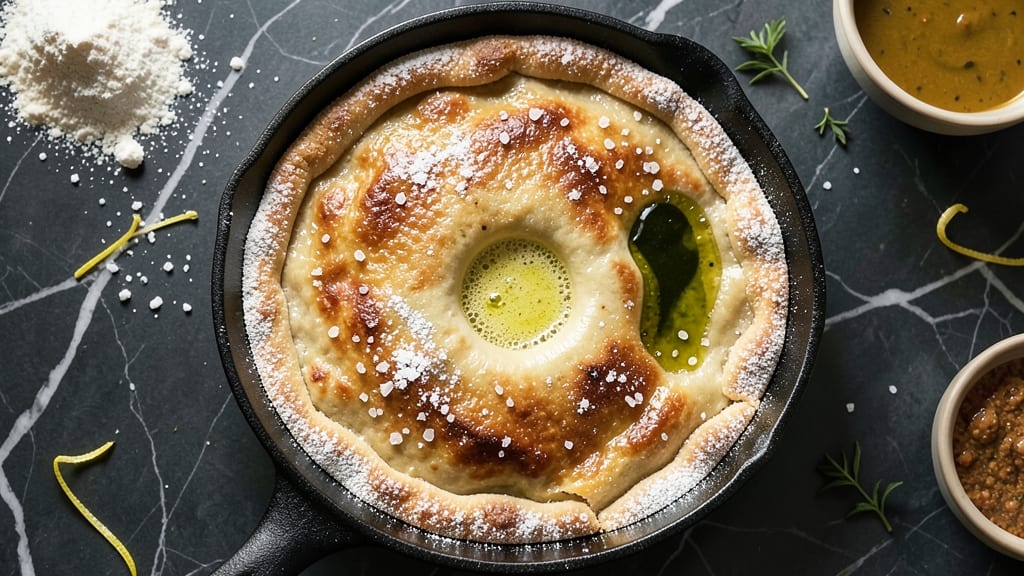
This pizza pot pie dough recipe combines the best of both worlds—flaky, golden crust with the rich, savory filling you love in pot pies.
The secret lies in a pizza-style dough that's rolled out and folded into a lattice pattern, creating a crispy yet tender base that holds up to all the cheesy, meaty goodness inside.
I developed this recipe after years of craving something hearty enough for cold nights but still fun enough to feel like a special treat.
The dough itself is simple to make, with just flour, yeast, olive oil, and a pinch of salt—no fancy ingredients required. What makes it special is the technique: after rolling it out, you fold and cut it into a lattice design before baking.
This creates pockets of airy, crispy crust that contrast beautifully with the creamy filling. The filling can be customized with your favorite pot pie ingredients—think tender chicken, mushrooms, carrots, and peas—all blanketed in a rich cheese sauce.
By the time it emerges from the oven, you'll have a dish that's equal parts comforting and impressive—a golden, flaky lattice crust topped with bubbling cheese and savory fillings. The contrast between the crispy crust and the tender, cheesy filling makes every bite satisfying.
This recipe is perfect for feeding a crowd or meal prepping for the week, as it reheats beautifully while maintaining its flaky texture.
The best part? You can prep the filling and dough ahead of time, then assemble and bake when you're ready. Whether you're serving it as a main course for a family dinner or bringing it to a potluck, this pizza pot pie dough recipe delivers restaurant-quality results with minimal effort.
Let's get started!
Ingredients for pizza pot pie dough
Flaky crust meets savory filling—just 11 simple ingredients transform into golden lattice perfection.
| Ingredient | Amount | Notes |
|---|---|---|
| All-Purpose Flour 🌾 | 4 cups | Sifted for light texture |
| Active Dry Yeast 🍞 | 1 package | Or 2.25 tsp single-use packets |
| Granulated Sugar 🍚 | 1 tbsp | Feeds yeast for rise |
| Extra-Virgin Olive Oil 🫒 | ½ cup | High quality for flavor |
| Warm Water 💧 | 1 cup | 110°F ideal for yeast |
| Kosher Salt 🧂 | 1 ½ tsp | Diamond Crystal preferred |
| Unsalted Butter 🧈 | ¼ cup | Cold, cubed for flakiness |
| Large Egg 🥚 | 1 whole | Room temperature for mixing |
| Garlic Powder 🧄 | 1 tsp | For subtle flavor boost |
| Italian Seasoning 🍃 | ½ tsp | Or dried oregano substitute |
| Shredded Mozzarella Cheese 🧀 | 1 cup | Part-skim for balance |
| Shredded Cheddar Cheese 🧀 | ½ cup | Sharp or mild preference |
The flour is non-negotiable here—King Arthur or Gold Medal gives the best texture. Yeast is the heart of this dough, so check the expiration date—old yeast means weak rise. I always grab mine from Whole Foods bulk section or the refrigerated case at Kroger. For the olive oil, California Olive Ranch or Bertolli are my go-tos—they've got that fruity punch that makes the crust sing. The butter? Plugrá or Land O'Lakes work perfectly, but don't use margarine—this is a real crust, not a shortcut.
No yeast on hand? Instant yeast works 1:1, but you'll need to adjust the water temp. Short on Italian seasoning? Dried basil and oregano at half the amount gets you close. The cheeses can be swapped—fontina or gouda add depth, while Parmesan gives a salty kick. For the lattice cuts, a sharp pizza cutter makes clean lines, but kitchen shears work too. Pro tip: Chill the dough 30 minutes before rolling—it's less sticky and easier to handle. And if you're making this ahead, freeze the shaped dough for up to 2 months.
This dough keeps 3 days wrapped in plastic in the fridge. For longer storage, freeze the rolled-out dough between parchment paper—just thaw overnight in the fridge before baking. The lattice design? Worth the extra 10 minutes—those crispy edges are what make this feel like a restaurant dish. Leftovers reheat beautifully in a 350°F oven for 10 minutes—just cover with foil to keep the cheese from browning too fast.
Why You'll Love This Recipe
- Five-Ingredient Magic: I swear by this dough—just flour, yeast, sugar, olive oil, and water. No weird specialty ingredients, no hunting for obscure spices. The yeast does all the work while I mix, then let it rise while I prep the filling.
- Golden Crisp Edge: That perfect balance of olive oil and sugar? It gives the crust a buttery, slightly crispy bite that’s ridiculously satisfying. Not too flaky, not too chewy—just right for holding up to whatever filling you stuff inside.
- Weeknight to Party Fix: Same dough, endless uses. Slap it over veggie pot pie for a cozy Tuesday night, or stretch it into a crust for a showstopper pizza at your next gathering. (Between us, it’s my go-to for game day—no one suspects how easy it was.)
Step-by-step instructions for pizza pot pie dough
This dough delivers the perfect flaky lattice crust with savory cheese twists—easy enough for weeknights but impressive enough for guests.
Activate the Yeast and Mix the Dough
In a small bowl, combine the 1 cup warm water, 1 tbsp granulated sugar, and 1 package active dry yeast. Let it sit for 5-10 minutes until foamy. This tells you the yeast is alive and ready to work—if it doesn’t foam, start over with fresh yeast.
In a large bowl, whisk together the 4 cups all-purpose flour and 1.5 tsp kosher salt. Make a well in the center and pour in the yeast mixture along with the 0.5 cup extra-virgin olive oil. Using a wooden spoon, stir until a shaggy dough forms. Then, turn it out onto a lightly floured surface and knead for 8-10 minutes until smooth and elastic. The dough should feel slightly tacky but not sticky—add a little more flour if needed.
Incorporate Cheese and Seasonings
Return the dough to the bowl and let it rest for 5 minutes to relax. Meanwhile, in a small bowl, mix the 1 cup shredded mozzarella cheese, 0.5 cup shredded cheddar cheese, 1 tsp garlic powder, and 0.5 tsp Italian seasoning. This blend will infuse the dough with rich, savory flavor as it bakes.
Add the cheese mixture to the dough and knead gently by hand for 2-3 minutes until evenly distributed. The cheese should be fully incorporated, giving the dough a marbled appearance. Cover the bowl with a damp towel and let it rise in a warm place for 1-1.5 hours, or until doubled in size. This resting time allows the gluten to relax and the dough to develop its signature flakiness.
Shape and Chill the Dough
Once the dough has risen, punch it down gently to release the air. On a lightly floured surface, roll it out into a 12-inch circle, about ¼-inch thick. For the lattice crust, cut the dough into 6 strips, each about 2 inches wide. Twist each strip lightly and arrange them in a lattice pattern on a parchment-lined baking sheet, leaving a ½-inch gap between each strip. This design creates a beautiful, airy texture while keeping the filling contained.
Cover the lattice dough with plastic wrap and refrigerate for at least 30 minutes (or up to 24 hours). Chilling firms up the dough, making it easier to handle and preventing it from spreading too much in the oven. Preheat your oven to 375°F during this time—this ensures the dough goes in hot and bakes evenly.
Add Butter and Bake for Flakiness
Remove the chilled dough from the fridge and place the 0.25 cup unsalted butter, cut into small cubes, on top of the lattice strips. Press the butter gently into the gaps between the dough strands—this is what creates those irresistible flaky layers as it melts during baking. In a small bowl, whisk together the 1 whole large egg and 1 tbsp water, then brush this mixture lightly over the top of the dough. This egg wash adds a golden finish and helps the cheese crisp beautifully.
Bake the lattice crust for 20-25 minutes, until the edges are golden brown and the cheese is bubbly. The dough should feel firm to the touch, and the lattice pattern should hold its shape. For extra crispiness, transfer the baked crust to a wire rack and let it cool for 10 minutes before filling with your favorite pot pie ingredients. This resting step ensures the crust stays sturdy when you add the hot filling later.
Pro Tips For Making Pizza Pot Pie Dough
- Test the Yeast First: Skip the guesswork—mix 1 teaspoon yeast with ¼ cup warm water (110°F) and 1 teaspoon sugar. If it doesn’t foam within 5 minutes, your yeast is dead. Trust me, you don’t want to bake a brick because you assumed it was fine.
- Measure Flour Right: Spoon flour into your bowl, then level it with a knife—don’t scoop directly from the bag. Packing it too tightly makes the dough dense. I learned this after making dough that felt like eating a hockey puck.
- Use Olive Oil Sparingly: The recipe calls for extra-virgin olive oil, but too much makes the dough greasy and hard to handle. Stick to 2 tablespoons—enough to keep it tender without turning it into a sticky mess.
- Knead Just Enough: Stop when the dough springs back slowly when poked (about 8-10 minutes by hand). Overworking it develops gluten too much, and your pot pie crust will end up chewy instead of tender. I used to go overboard—don’t repeat my mistake.
Best sauces and condiments for this recipe
Classic Tomato Sauce
Start with a rich tomato sauce as your base—simmer 1 can (28 oz) crushed tomatoes, 2 tbsp tomato paste, 3 garlic cloves (minced), 1 tsp dried oregano, and ½ tsp red pepper flakes for 20 minutes.
Season with 1 tsp salt and ½ tsp black pepper. This sauce provides the perfect tangy foundation for your pot pie filling. 🍅
Creamy Cheese Sauce
For a velvety finish, blend 1 cup heavy cream, ½ cup grated Parmesan cheese, 1 tbsp butter, and ½ tsp nutmeg until smooth. Stir this into your cooked filling just before assembling.
The nutmeg adds warmth that pairs beautifully with the savory lattice crust. For extra richness, I sometimes add ¼ cup sour cream to balance the creaminess.
Herb Butter Drizzle
Melt 2 tbsp unsalted butter with 1 tsp fresh thyme leaves, 1 tsp fresh rosemary, and a pinch of salt. Drizzle this over the assembled pot pie just before baking—it infuses the crust with aromatic flavors and creates a golden, glossy finish.
I like to use Trader Joe’s fresh herbs for the best flavor. 🌿
Garlic Aioli Swirl
Mix ½ cup mayonnaise, 1 tbsp lemon juice, 1 minced garlic clove, and ½ tsp garlic powder for a bright, tangy swirl. After baking, gently spread this aioli over the top of the pot pie using the back of a spoon.
It adds a creamy contrast that cuts through the richness of the cheese and filling. For extra zing, I add a pinch of cayenne pepper.
Balsamic Glaze
Simmer ¼ cup balsamic vinegar with 1 tbsp brown sugar until reduced by half. Drizzle this glossy glaze over the hot pot pie right before serving. The sweet-tart balance enhances the savory flavors and adds a restaurant-worthy touch. I prefer Balzac balsamic vinegar for its depth of flavor.
Nutrition facts
Frequently asked questions
Can I make this pizza pot pie dough without yeast?
You can substitute yeast with 1 tbsp baking powder and ½ tsp baking soda for a quick version, but the texture will be denser and less flaky. For the lattice effect to work properly, the dough needs to rise slightly—this version won't hold its shape as well. If you're in a hurry, try a 10-minute no-knead method with these substitutes, but expect a more cake-like crust.
How do I prevent the lattice crust from getting soggy?
Pre-bake the crust for 20-25 minutes at 375°F until golden before adding filling. This creates a sturdy barrier. For extra insurance, brush the baked crust with 1 tbsp melted butter before adding filling—it acts as a moisture barrier. Avoid overfilling, as too much liquid can seep into the crust.
What's the best way to store leftovers?
Let the pizza pot pie cool completely, then store in an airtight container in the fridge for up to 4 days. For reheating, cover with foil and bake at 350°F for 15-20 minutes until heated through. To freeze, wrap individual slices in plastic wrap and place in a freezer bag for up to 2 months—thaw overnight in the fridge.
Can I make this dough gluten-free?
Yes! Use a 1:1 gluten-free flour blend like Bob's Red Mill or King Arthur, plus ½ tsp xanthan gum if your blend doesn't contain it. You may need 1-2 extra tbsp of liquid since gluten-free doughs are drier. Chill the dough longer (up to 1 hour) before rolling to prevent sticking, and expect a slightly denser texture.
What's the secret to perfect lattice cuts?
Use a sharp pizza cutter or knife and cut through all layers at once for clean lines. Keep strips about 2 inches wide and twist them gently before arranging. For extra flair, brush the cuts with 1 tbsp melted butter before baking—it enhances the flaky layers. Work quickly so the dough doesn't stick to your tools.