
Desserts
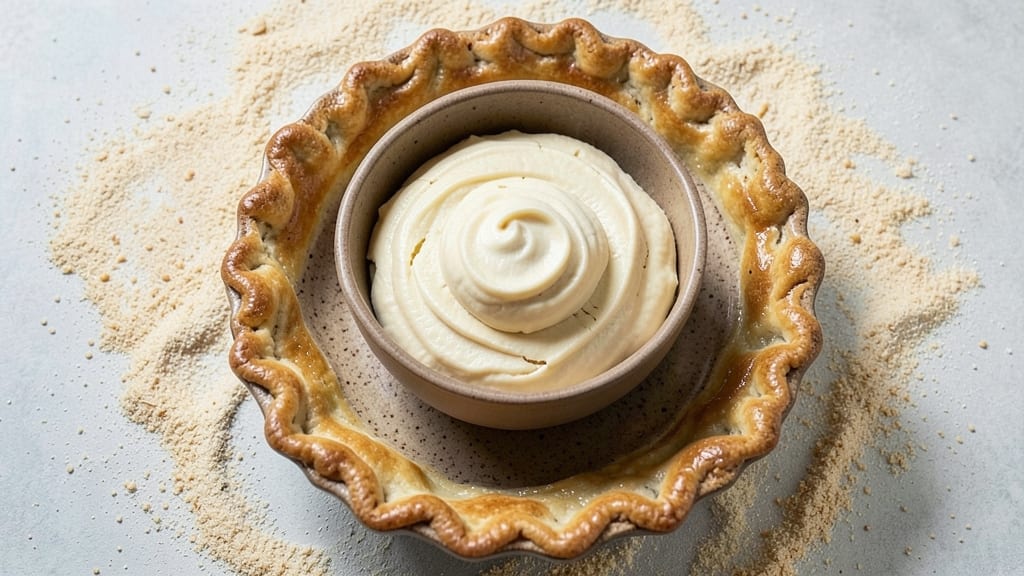
Creating a Marie Callender-style pie crust that delivers those signature flaky layers starts with a few key techniques I learned from my grandmother’s Sicilian kitchen. The secret lies in cold butter, precise handling, and patience—no shortcuts here if you want that signature texture.
Standing on a step stool in Nonna’s kitchen, I watched her cut butter into flour until it resembled coarse crumbs, a method that ensures maximum surface area for melting during baking.
This isn’t just a crust; it’s the foundation that holds fillings together while creating that irresistible contrast between tender filling and crisp edges.
The beauty of this recipe is its versatility—whether you’re making a classic apple pie, rich pecan, or even a savory chicken pot pie, the crust remains the star. We’ll use a 350°F oven for gentle baking, ensuring the crust stays golden and flaky without burning.
The filling can be sweet or savory, but the crust technique remains the same: cold butter, minimal handling, and blind-baking for that perfect rise. Once you master this, you’ll never settle for store-bought again.
By the time you pull that pie from the oven, you’ll have a crust so tender it practically melts in your mouth, yet sturdy enough to hold any filling without sogginess.
The edges will be golden brown, the layers distinct, and the aroma will fill your kitchen like a warm embrace. This is the kind of crust that makes pie night feel like a celebration—every bite a testament to the time and care you put into it.
Ready to elevate your desserts? Let’s get started with a crust that’s as foolproof as it is delicious. Whether you’re baking for a family gathering or treating yourself to a slice of perfection, this recipe delivers results that taste like home.
Ingredients for marie callender pie crust
Cold butter, sifted flour, and ice water—this trio creates Marie Callender's signature flaky crust.
| Ingredient | Amount | Notes |
|---|---|---|
| All-Purpose Flour 🌾 | 2 ½ cups | Sifted for light texture |
| Unsalted Butter 🧈 | 1 cup | Cold, cubed (1/2 lb) |
| Ice Water 💧 | ½ cup | Chilled for binding |
| Granulated Sugar 🍚 | 1 tbsp | For subtle sweetness |
| Salt 🧂 | ½ tsp | Kosher or sea salt |
| Fine Cornmeal 🌽 | 2 tbsp | For dusting work surface |
| Large Egg Yolk 🥚 | 1 whole | Optional for shine |
| Vanilla Extract 🌸 | ½ tsp | Pure for aroma |
The butter is non-negotiable. European-style butter has more fat content (82-86%), which is ideal for flakiness—Land O'Lakes European Style or Plugrá are my go-tos. Buy it in 1-pound blocks and keep it frozen until ready to use. The flour? King Arthur or Gold Medal are reliable choices, but any all-purpose will work. Sift it first to remove lumps and aerate. Pro tip: Chill your mixing bowl and utensils before starting—this helps keep the butter cold longer. And if your kitchen gets warm, stash your dough in the fridge for 30 minutes before rolling.
No ice water? Cold water from the fridge works in a pinch, but ice cubes help regulate temperature better. Short on vanilla? Almond extract at half the amount adds depth without overpowering. The egg yolk is optional but worth it for that glossy finish—skip it if you're vegan or allergic. For a savory crust (like chicken pot pie), swap the sugar for 1 tsp onion powder and add 1 tsp dried thyme. The cornmeal isn't just for dusting—it adds a subtle crunch to the bottom crust. If you don't have it, all-purpose flour works too, but the texture might be slightly denser.
This dough keeps for 3 days wrapped tightly in plastic in the fridge. For longer storage, freeze the rolled-out crust between parchment paper for up to 3 months. Thaw overnight in the fridge before using. Blind-baking tip: Use pie weights or dried beans to prevent puffing. And if your crust browns too fast, cover the edges with foil after 20 minutes. The secret to Marie Callender's crust? Don't overwork it—press just until the dough holds together, then let the butter do the magic.
Why You'll Love This Recipe
- Fewer Messy Mistakes: I’ve burned pie crusts before—this one forgives me. The cold butter and ice water keep it from melting into a greasy blob, so even if I overwork the dough, it still holds together like a dream.
- Sweet Buttery Crunch: That sugar in the dough? It’s not just for looks—it caramelizes into a golden, crispy lattice that tastes like a cross between a classic pie crust and a shortbread cookie. (Yes, I eat it plain sometimes.)
- Bakes Like a Pro: Whether it’s a peach pie for summer or a pumpkin pie for holidays, this crust handles fillings like a champ. No soggy bottoms here—just that perfect balance of flaky layers and sturdy structure.
- Budget-Friendly Staples: Flour, butter, sugar—these are ingredients I already have. No specialty flours or pricey shortcuts needed. Honestly, it’s the kind of crust I’d make even if I were feeding just myself.
Step-by-step instructions for Marie Callender pie crust recipe
Here's how to create that signature flaky texture that makes every bite worth waiting for.
Prepare the Dough Foundation
In a large mixing bowl, combine the 2.5 cups all-purpose flour, 1 tablespoon granulated sugar, and ½ teaspoon salt. Whisk gently to distribute the sugar and salt evenly through the flour. This ensures balanced flavor in every layer of your crust.
Cut the 1 cup unsalted butter into ½-inch cubes and let them sit at room temperature for 10 minutes before proceeding. Cold butter creates flaky layers, but it needs to soften slightly for easier incorporation. Add the butter cubes to the flour mixture and use a pastry cutter or your fingers to work them into the flour until the mixture resembles coarse crumbs with pea-sized butter pieces remaining.
Here's the thing—don't overwork the butter. You want it to stay in small chunks so it creates those beautiful flaky layers when baked. If the mixture feels too dry, you can add 1-2 teaspoons of ice water from the ½ cup total to help bind it together.
Add Liquid and Shape the Dough
Pour the ½ cup ice water and ½ teaspoon vanilla extract over the flour-butter mixture. Using a fork or rubber spatula, gently stir until the dough just comes together. Be careful not to overmix—just combine until it forms a shaggy mass that holds together when pressed.
Turn the dough out onto a surface lightly dusted with 2 tablespoons fine cornmeal. This prevents sticking and makes handling easier. Knead the dough gently 4-5 times just to bring it together—no need to develop the gluten. Divide the dough into two equal pieces and flatten each into a 6-inch round. Wrap each in plastic wrap and refrigerate for at least 1 hour (or up to 2 days).
This chilling step is crucial. It firms up the butter so it doesn't melt prematurely during rolling, which would prevent those perfect flaky layers. I like to press the dough into discs rather than rolling it—this helps maintain even thickness when you roll it out later.
Roll and Assemble the Crust
On a clean surface lightly dusted with more fine cornmeal, take one chilled dough disc and roll it into a 12-inch circle, about ⅛-inch thick. The key here is to keep the dough moving and rotate it frequently for even thickness. If it starts to stick, dust with more cornmeal but don't overdo it—too much will make the crust dry.
Carefully transfer the rolled crust to a 9-inch pie dish, gently shaping it to fit the bottom and sides. Trim any excess dough hanging over the edge with a sharp knife. Here's a pro tip: press the dough lightly against the sides of the pie dish to create a nice, clean edge. This prevents the filling from leaking out during baking.
Repeat with the second dough disc to create a top crust or save it for another pie. For a double-crust pie, you'll want to cut a few small slits in the top crust to allow steam to escape during baking. This prevents a soggy bottom and helps the crust brown properly.
Blind-Bake for Perfect Texture
Preheat your oven to 375°F. For a bottom crust, line it with parchment paper and fill with pie weights or dried beans to prevent puffing. Bake for 15 minutes until the edges start to turn golden. Remove the weights and bake for another 5-7 minutes until the crust is fully set and lightly golden.
For a top crust, you can either bake it separately until golden and then place it on the filled pie, or bake it directly on top of the filling. If using the latter method, brush the crust with a little ice water or egg wash (beaten egg yolk) for a golden finish. Watch the crust closely—it bakes quickly and can go from perfect to burnt in minutes.
This blind-baking step ensures your crust stays crisp and flaky even after holding a filling. The weights keep it flat while it sets, and the short baking time prevents sogginess. Your crust should emerge from the oven with a beautiful golden color and a crisp texture that stands up to any filling.
Pro Tips For Making Marie Callender Pie Crust
- Chill the Butter First: Marie Callender’s crust relies on cold butter for flaky layers, but don’t pull it straight from the fridge—cut it into ½-inch cubes and let it sit at room temp for 10-15 minutes. This softens it just enough to mix smoothly with flour without melting, which is where things go wrong. (I used to skip this and ended up with a dense, greasy mess.)
- Mix Dry Ingredients First: Whisk flour, sugar, and salt together before cutting in the butter. This ensures even distribution of sugar and salt, which prevents pockets of sweetness or saltiness in your crust. I learned this the hard way—once, I got a bite that tasted like straight butter, and another like a cookie.
- Work Fast with Ice Water: Keep your ice water very cold (freeze a bowl of water for 30 minutes if needed) and add it sparingly—just 1 tablespoon at a time. The dough should hold together when pressed but not stick to your fingers. Too much water = tough crust; too little = dry, crumbly dough. (Yes, even if you’re impatient like me.)
- Press the Crust Evenly: Don’t just dump the dough into the pan and hope for the best. Roll it out to ¼-inch thickness, then gently press it into the bottom and up the sides of your pie dish, using your fingers to smooth any gaps. This prevents shrinking during baking and ensures a uniform golden crust. (I skip this step sometimes, and the crust always pulls away from the edges.)
Flavor customization for marie callender pie crust
Sweet Variations
For a cinnamon-spiced twist, fold 1 teaspoon cinnamon and ½ teaspoon nutmeg into the flour before mixing. This pairs perfectly with apple or cherry fillings—my Nonna used this version for her famous limoncello-infused lemon pie.
For a richer crust, replace 2 tablespoons butter with 2 tablespoons brown sugar and add ½ teaspoon vanilla bean paste for depth. 🍯
Savory Adaptations
Transform this crust for savory pies by swapping the sugar for 1 teaspoon onion powder and ½ teaspoon smoked paprika. Add 1 tablespoon fresh rosemary (finely chopped) to the dough for a fragrant touch.
This works beautifully with chicken pot pie or mushroom fillings. For extra flakiness, brush the baked crust with garlic-infused olive oil before adding filling. 🧄
Gluten-Free Option
Replace the all-purpose flour with a 1:1 gluten-free flour blend (like King Arthur Measure for Measure) and add ¼ cup cornstarch to improve texture. Use 1 extra tablespoon ice water to bind the dough properly.
Chill the dough for 2 hours before rolling—gluten-free crusts can be more delicate. For a chewier texture, fold in 2 tablespoons almond flour into the dry ingredients. ✨
Nutty Crunch Add-Ins
For texture contrast, fold ¼ cup chopped pecans or walnuts into the dough before rolling. Toast the nuts first for enhanced flavor—sprinkle them on the bottom crust before adding filling for a crunchy base.
I love this in pecan pie or with a maple-glazed apple filling. For a sweeter twist, mix 2 tablespoons brown sugar into the nuts before toasting. 🌰
Herb-Infused Crusts
Brighten up your crust with fresh herbs like thyme, rosemary, or sage. Finely chop 1 tablespoon of your choice and mix it into the flour before combining with butter. This works especially well with savory fillings like beef bourguignon or butternut squash.
For a citrusy note, zest 1 lemon or orange and add it to the dough—this pairs beautifully with key lime pie. 🍋
Seasonal Twists
In fall, add ½ teaspoon pumpkin pie spice to the flour for a cozy vibe. For winter, fold in 1 teaspoon ground ginger and a pinch of cloves—perfect with spiced apple or pear fillings.
In spring, swap the vanilla for 1 teaspoon almond extract and add zest from 1 lime for a refreshing twist. These seasonal tweaks keep your crust exciting year-round. 🍂
Nutrition facts
Frequently asked questions
Why does Marie Callender's crust turn out so flaky?
The secret lies in the cold butter cut into coarse crumbs—this creates steam pockets when baking. The dough is handled minimally to preserve those butter layers. Chilling the dough before rolling also prevents the butter from melting too soon. Think of it like layering thin sheets of butter between flour, each melting into crispy layers during baking.
Can I make this crust ahead of time?
The dough keeps for 3 days in the fridge wrapped tightly. For longer storage, roll out the crust between parchment paper and freeze for up to 3 months. Thaw overnight in the fridge before using. This makes perfect sense for holiday pies when you want to prep ahead.
What's the best way to prevent a soggy bottom?
Always blind-bake the bottom crust with pie weights or dried beans for 15 minutes at 375°F before adding filling. This sets the crust while removing moisture. For extra insurance, brush the baked crust with egg wash or ice water before adding filling. This creates a moisture barrier that keeps the crust crisp.
Can I use this crust for savory pies too?
Yes! Swap the sugar for 1 tsp onion powder and ½ tsp smoked paprika, then add 1 tbsp fresh rosemary to the dough. This works perfectly for chicken pot pie or mushroom fillings. The same flaky technique applies—just adjust the seasonings to complement savory flavors.
What if my crust gets too tough?
Overworking the dough or using warm butter are common culprits. Keep everything cold, handle the dough gently, and avoid over-kneading. If it's already too tough, fold in 1 extra tbsp cold butter and chill for 30 minutes before rolling. The key is patience—don't rush the chilling steps!