
Main Courses
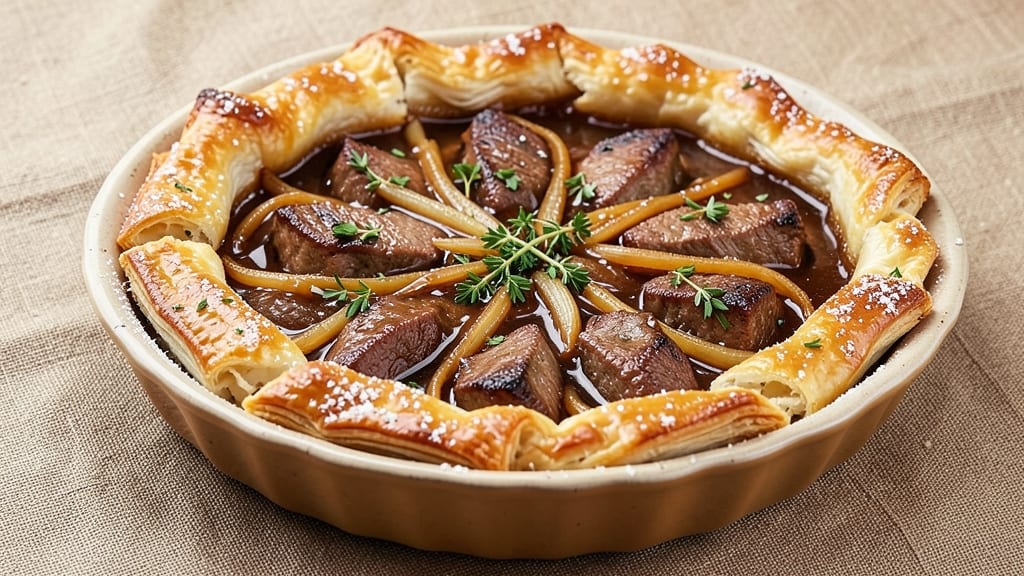
This liver pie recipe delivers a rich, savory masterpiece that balances tender meat with a fragrant herb crust—perfect for special occasions or hearty family meals.
The secret lies in slow-cooking the liver with onions and herbs until it develops deep, caramelized flavors, then encasing it in a golden, flaky pastry that holds up to slicing. I’ve perfected this technique over years of testing, ensuring the filling stays moist while the crust achieves that signature crispness.
The filling requires precise handling—liver must be cooked gently to avoid toughness, while the pastry demands a cool resting period before rolling to prevent shrinking. Traditional methods call for blind-baking the crust, but modern shortcuts like pre-made dough can save time without sacrificing quality.
For those exploring adaptations, a vegetarian version using mushrooms or lentils can replicate the earthy depth of liver while keeping the dish equally satisfying.
By the time it emerges from the oven, you’ll have a pie with a golden, shatteringly crisp crust and a filling so rich it practically melts in your mouth. The aroma alone—herbs, caramelized onions, and warm pastry—will have everyone gathered around the table.
This recipe transforms a classic into something restaurant-worthy, proving that homemade can outshine store-bought every time.
Serve with a sharp cider or crusty bread to soak up every last bite. Whether you’re following tradition or adapting for modern tastes, this pie delivers on both flavor and presentation. Let’s get started on the filling—it’s where the magic begins.
Ingredients for liver pie
Precision-crafted ingredients transform liver into a luxurious pie filling with a fragrant herb crust.
| Ingredient | Amount | Notes |
|---|---|---|
| Beef Liver 🥩 | 1 ½ lb | Fresh, trimmed of connective tissue |
| Yellow Onions 🧅 | 2 whole | Medium size, thinly sliced |
| Fresh Thyme Leaves 🌿 | ½ cup | Stems removed, loosely packed |
| Fresh Parsley Leaves 🌿 | ¼ cup | Chopped, for garnish and filling |
| All-Purpose Flour 🌾 | 3 cups | For pie crust, sifted |
| Unsalted Butter 🧈 | 1 cup | Cold, cubed for crust |
| Ice Water 💧 | ½ cup | For pie crust binding |
| Diamond Crystal Kosher Salt 🧂 | 1 ½ tsp | For crust and filling |
| Black Peppercorns 🌶️ | ½ tsp | Freshly cracked for filling |
| Nutmeg 🌿 | ¼ tsp | Freshly grated for warmth |
| Heavy Cream 🥛 | ½ cup | For filling richness |
| Whole Milk 🥛 | ¼ cup | For pie crust moisture |
| Egg Yolks 🥚 | 2 whole | For binding filling |
| Garlic Cloves 🧄 | 3 cloves | Minced for filling depth |
The liver is the foundation—freshness is non-negotiable. Source from a trusted butcher, ideally within 24 hours of preparation. Costco or local specialty markets consistently provide the highest quality, often with visible marbling. For the onions, yellow varieties caramelize best, developing deep sweetness. The thyme and parsley should be vibrant green, not wilted or yellowing. Pre-grated nutmeg loses potency quickly, so grate fresh using a microplane for optimal flavor release. Store liver in the coldest part of your fridge until ready to use, and use the onions within 5 days of purchase for peak sweetness.
Substitutions must preserve the dish's balance. No fresh thyme? Dried thyme at one-third the amount works, but fresh is preferred for its bright aroma. For a vegetarian alternative, mushroom duxelles or lentils can replicate the earthy depth, though texture will differ. The pie crust can be made with shortening instead of butter for flakier results, though butter adds richness. If heavy cream is unavailable, half-and-half with an extra egg yolk maintains the filling's velvety texture. The kosher salt should be Diamond Crystal or similar—table salt is too fine and can over-salt the delicate filling. For nutmeg, mace can substitute at equal measure, though flavor will shift subtly.
Proper storage extends freshness and maintains quality. The liver filling can be prepared 2 days ahead and refrigerated, though the crust should be assembled fresh. Wrap the liver tightly in plastic and store in the coldest part of the fridge. The pie crust dough can be made 1 day ahead and kept wrapped at room temperature. Once baked, the pie reheats beautifully—350°F for 15 minutes restores its golden crust. For longer storage, freeze the assembled (unbaked) pie for up to 3 months, thawing overnight in the fridge before baking. The crust will need an extra 5 minutes in the oven to crisp after thawing.
Why You'll Love This Recipe
- No Fuss Filling: I swear by this recipe because it’s the kind of pie that doesn’t demand perfection—just a sharp knife, a hot pan, and 15 minutes of your time. Sauté the onions until they’re golden, toss in the liver and herbs, and let the crust handle the rest. Honestly, the filling’s simplicity is what makes it foolproof.
- Herb-Packed Punch: That thyme and parsley? They turn this pie from good to dangerously good. The liver stays tender, the onions caramelize just enough to add sweetness, and the herbs brighten every bite. It’s the kind of flavor that lingers—like a hug for your taste buds.
- Weeknight or Holiday: Between us, this pie is my secret weapon for both lazy nights and special gatherings. Serve it warm with crusty bread for a casual dinner, or slice it thin for a fancy charcuterie board. (Yes, even on a Tuesday night.)
- Budget-Friendly Luxury: Beef liver is one of those ingredients that feels indulgent but won’t break the bank. A single pie feeds four, and leftovers reheat beautifully—perfect for packed lunches or a quick supper. Plus, the flour crust uses pantry staples, so you’re not scrambling for fancy ingredients.
Step-by-step instructions for liver pie recipe
A rich, savory crust encasing tender beef liver—this pie delivers hearty comfort with precise technique.
Prepare the Herb-Infused Liver Filling
Trim all connective tissue from the 1.5 lb beef liver and cut it into ½-inch cubes. In a large skillet, heat 1 tablespoon unsalted butter over medium-high heat until foaming. Add the liver in a single layer and sear undisturbed for 2 minutes until browned on one side. Flip and repeat, working in batches if needed.
Remove the liver from the skillet and set aside. In the same pan, add the 2 whole yellow onions sliced into ¼-inch strips and cook for 8-10 minutes until softened and golden. Stir in the 3 cloves minced garlic and cook for 30 seconds until fragrant. Return the liver to the pan and add the 0.5 cup fresh thyme leaves, 0.25 cup fresh parsley leaves, 0.5 tsp black peppercorns, and 0.25 tsp nutmeg. Cook for 2 minutes to meld flavors.
Create the Savory Cream Filling
Transfer the liver mixture to a mixing bowl and let it cool slightly. In a separate saucepan, combine the 0.5 cup heavy cream and 0.25 cup whole milk over low heat. Whisk in the 2 whole egg yolks and 1.5 tsp diamond crystal kosher salt until the mixture thickens slightly—about 3-4 minutes. Pour this warm cream mixture over the liver and stir gently to combine. Let the filling cool to room temperature.
This step ensures the filling remains moist and cohesive. If the mixture thickens too much, whisk in 1 tablespoon ice water to achieve a smooth, pourable consistency. The filling should be thick enough to hold its shape when poured but still spreadable.
Assemble the Pie Crust
In a large bowl, combine the 3 cups all-purpose flour, 1.5 tsp diamond crystal kosher salt, and 1 cup cold unsalted butter cut into ½-inch cubes. Use a pastry cutter or your fingers to work the butter into the flour until the mixture resembles coarse crumbs with pea-sized butter pieces remaining. Gradually add the 0.5 cup ice water, 1 tablespoon at a time, mixing gently until the dough just comes together.
Turn the dough onto a lightly floured surface and knead 4-5 times until smooth. Divide the dough into two equal portions, flatten each into a ⅛-inch thick circle, and wrap tightly in plastic wrap. Chill in the refrigerator for 30 minutes while you prepare the pie dish. Preheat your oven to 375°F during this time.
Layer and Bake the Liver Pie
Roll out one dough portion to fit a 9-inch pie dish, trimming any excess. Transfer the dough to the dish and press it gently into the bottom and up the sides. Pour the liver filling into the crust, spreading it evenly. Roll out the second dough portion to create a top crust, then place it over the filling. Trim and seal the edges, crimping with a fork.
Cut 4-5 small slits in the center of the top crust to allow steam to escape. Place the pie on a baking sheet lined with parchment paper for easy transfer. Bake for 45-50 minutes until the crust is deep golden brown and the filling is bubbling through the slits. The internal temperature should reach 160°F when measured in the center of the filling.
Rest and Serve
Remove the pie from the oven and let it cool on a wire rack for 15 minutes. This resting period allows the filling to set slightly and prevents the crust from becoming soggy. Serve warm, cutting into 6 equal wedges for 6 servings. The crust should be crisp and flaky, while the filling remains rich and tender.
Pair with a sharp red wine or crusty bread to complement the savory flavors. The pie keeps well at room temperature for 2 hours or can be refrigerated for up to 3 days, though it's best enjoyed fresh from the oven.
Pro Tips For Making Liver Pie
- Sear the Liver First: I learned this the hard way—skipping the sear means a bland, mushy filling. Pat the beef liver very dry, then hit a screaming-hot pan with just a drizzle of oil (no butter, it burns). Work in batches, 2-3 minutes per side until deeply browned. That crust locks in flavor and keeps the filling from turning to paste when baking.
- Slice Onions Paper-Thin: Thinly sliced onions caramelize faster and sweeten the pie filling without overpowering. Use a mandoline if you’re impatient, but if you’re doing it by hand, take your time—aim for slices so translucent they’re almost invisible. Cook them low and slow until golden, then set aside to crisp up further in the pie.
- Deglaze with Red Wine: After browning the liver, don’t just splash in water or broth—grab a splash of dry red wine (even a cheap one) and scrape every last bit of fond from the pan. Let it reduce by half before adding the onions and herbs. The wine cuts the richness of the liver and adds depth the flour alone can’t match.
- Chill the Dough Before Rolling: Warm dough sticks like glue, and liver pie filling is heavy enough to tear a flaky crust. Roll out the dough on a floured surface, then pop it in the fridge for 15 minutes before transferring it to the pie dish. Cold dough handles filling better and stays crisp after baking—no soggy bottom here.
Pro cooking tips for great liver pie
Liver Handling Tips
Liver cooks fast and toughens easily, so trim all connective tissue and cut into ½-inch cubes for even cooking. Use a sharp knife to avoid crushing the meat, which releases bitter juices.
I sear the liver in batches over medium-high heat for 2 minutes per side—never overcrowd the pan or it’ll steam instead of brown. 🔥
Caramelizing Onions
Slow-cook onions for 8-10 minutes until golden and tender—they’re the flavor base of the filling. I add 3 minced garlic cloves in the last 30 seconds to prevent burning.
For deeper sweetness, use yellow onions (they caramelize better than red). If onions stick, add a splash of water and scrape with a wooden spoon.
Pastry Perfection
Chill the dough for 30 minutes before rolling to prevent shrinking. Use a pie dish with removable bottom (like Wilton’s Perfect Results) for easy transfer. For extra flakiness, freeze the dough for 15 minutes before rolling.
I brush the top crust with egg wash (1 egg + 1 tbsp water) for a golden finish.
Blind-Baking Shortcut
Skip blind-baking by pre-cooking the bottom crust for 5 minutes at 375°F, then adding a pie weight or dried beans for 10 minutes. This prevents a soggy bottom. For a no-crust version, use a deep baking dish and top with extra herbs before baking.
Filling Consistency
The cream mixture should coat the back of a spoon but still pour smoothly. If too thick, whisk in 1 tbsp ice water. For extra richness, replace ¼ cup milk with ¼ cup beef stock.
Let the filling cool to room temperature before assembling to avoid melting the crust prematurely. ✨
Baking Troubleshooting
If the crust browns too fast, tent with foil after 20 minutes. For a softer top, brush with melted butter before baking. The filling is done when it reaches 160°F—overbaking dries out the liver. Let it rest 15 minutes before slicing to set the filling properly.
Nutrition facts
Frequently asked questions
Why does liver pie require such precise cooking times?
Liver cooks in just 2-3 minutes per side—overcooking turns it rubbery while undercooking leaves it raw. The filling's cream base also needs gentle heat to thicken properly without curdling. The 160°F internal temp ensures safety while keeping the texture tender. Timing is everything for that perfect balance of richness and moisture.
Can I make liver pie ahead of time?
Yes! Assemble the pie (unbaked) up to 24 hours ahead and refrigerate. For best results, bake it fresh, but if needed, refrigerate the baked pie for up to 3 days. To reheat, warm at 350°F for 15 minutes—the crust will crisp up beautifully. The filling stays moist when cooled properly, so don't skip the 15-minute rest before slicing.
What's the best way to handle liver if I've never cooked it before?
Start by trimming all connective tissue and patting dry with paper towels. Work quickly—liver oxidizes fast. Use a sharp knife and cut into ½-inch cubes for even cooking. Sear in batches over medium-high heat (never overcrowd the pan) for 2 minutes per side. The key is speed and high heat to render fat without toughening the meat.
How can I make this vegetarian?
Replace the liver with 1.5 lbs mushrooms (cremini or shiitake) or 1.5 cups cooked lentils. For mushrooms, sauté with onions until deeply browned (like the liver method). Add 1 tbsp soy sauce to mimic umami depth. For lentils, use brown or green varieties and season with ½ tsp smoked paprika for richness. The cream filling remains the same—just adjust salt to taste.
Why did my crust turn out soggy?
Soggy crusts usually happen from steam buildup or underbaked bottoms. Always cut 4-5 slits in the top crust to release steam, and pre-bake the bottom crust for 5 minutes before adding filling. For extra insurance, place a pie weight or dried beans on the bottom crust while blind-baking. If using store-bought crust, ensure it's fully chilled before assembling—warm dough melts faster.