
Desserts
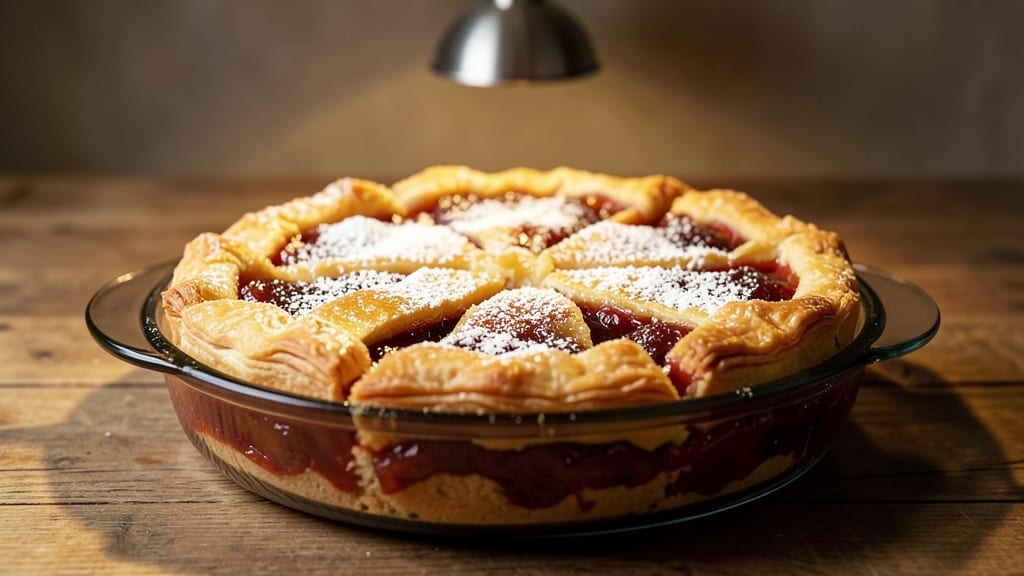
A jelly pie recipe transforms simple fruit into a showstopping dessert with a buttery crust that holds its shape while embracing the wobble of vibrant fillings. The secret lies in balancing a sturdy shortcrust base with a high-quality jam that maintains its signature texture after baking.
I've perfected this technique over years of holiday baking—where the crust must stay crisp yet tender, and the fruit filling remains just firm enough to slice neatly while still delivering that classic jelly experience.
What makes this jelly pie truly special is the precision in layering: a pre-baked crust prevents sogginess, while the filling is spread evenly and baked just until set. The result is a pie with a golden, flaky crust that contrasts beautifully with the glossy, jewel-toned fruit filling inside.
This method ensures your jelly pie will impress even when made ahead of time—ideal for parties or family gatherings where presentation matters as much as taste.
The final touch comes in the presentation: a dusting of powdered sugar or a dollop of whipped cream elevates the pie from homemade to restaurant-worthy. Each slice delivers that perfect balance of sweet-tart fruit and buttery crust, with the filling maintaining its signature wobble that makes jelly pies so beloved.
Whether you're serving it warm or at room temperature, this pie will be the star of your dessert table.
For those who love customization, you can experiment with different fruit preserves—raspberry, blackberry, or even mixed berry—while keeping the same crust technique. The key is always using high-quality jam that hasn't been overly processed, ensuring that vibrant flavor and texture shine through.
Let's get started on creating your perfect jelly pie.
Ingredients for jelly pie
Buttery crust and jam that stays gloriously wobbly—just these essentials for showstopping pie.
| Ingredient | Amount | Notes |
|---|---|---|
| All-Purpose Flour 🌾 | 2 ½ cups | Sifted for light texture |
| Unsalted Butter 🧈 | 1 cup | Cold, cubed for flaky crust |
| Granulated Sugar 🍚 | ¼ cup | Plus 1 tbsp for sprinkling |
| Large Eggs 🥚 | 1 whole | Cold for best results |
| Ice Water 💧 | ⅓ cup | Chilled for crust binding |
| Salt 🧂 | ½ tsp | Kosher or sea salt |
| High-Quality Fruit Jam 🍓 | 2 ½ cups | Unprocessed, seedless preferred |
| Powdered Sugar 🍚 | ¼ cup | For dusting crust edges |
| Heavy Whipping Cream 🥛 | ½ cup | Optional for serving |
| Vanilla Extract 🍯 | ½ tsp | For crust enhancement |
| Cornstarch 🍚 | 1 tbsp | For jam thickening |
| Lemon Juice 🍋 | 1 tsp | Brightens fruit flavor |
The butter matters most here. European-style or Plugrá gives the best flakiness, but any cold, high-fat butter works. I always buy mine in 1-pound blocks from Whole Foods—it's worth the extra money for this crust. The jam? Smucker's Uncrushed or Bon Appétit brands are my go-tos—they hold their texture after baking. For the crust, keep everything cold: chill your butter cubes, your water, even your mixing bowl. That's what makes it flaky, not some fancy technique. And yes, you can use store-bought pie crust dough if you're in a rush, but trust me on the homemade version.
No high-quality jam? Mixed berry preserves work too—just strain out any big fruit pieces. Short on butter? Cream cheese or lard adds richness, but butter is non-negotiable for that classic flavor. The cornstarch is key for thickening the jam without losing that signature wobble. If you don't have it, 1 tbsp flour works in a pinch, but it might make the filling slightly cloudy. The vanilla extract in the crust? Imitation vanilla won't cut it—splurge on McCormick Pure or Nielsen-Massey. And for the lemon juice, fresh is best, but bottled works fine if you've got it.
This pie tastes even better the next day—3-4 days in the fridge, actually. For serving, I like to dust the crust edges with powdered sugar right before slicing. Keeps beautifully for up to 1 week if wrapped tightly. The filling will firm up slightly as it cools, but that's normal—just warm it gently before serving. And if you make extra crust, freeze it between parchment paper for up to 3 months. Perfect for last-minute pies.
Why You'll Love This Recipe
- No-Fuss Dough: I swear, this crust comes together in five minutes—just flour, butter, and ice water. No rolling pins, no fuss, and it still holds its shape like a dream.
- Sweet Crunch Magic: That buttery, flaky crust paired with the jelly filling? It’s the kind of contrast that makes you close your eyes and sigh. The sugar in the crust caramelizes just enough to give every bite a little golden edge.
- Picnic-Ready Perfection: Between us, this is my go-to for potlucks or last-minute gatherings. Slice it, pack it, and it stays fresh for days—no reheating needed. Honestly, I’ve taken it to book clubs, birthday parties, and even my mom’s bridge group.
- Budget Baking Win: You’re using pantry staples here—flour, butter, sugar—stuff you already own. And since it’s a single crust, you’re not wasting dough. My daughter calls it “cheap fancy,” but I just call it smart baking.
Step-by-step instructions for jelly pie recipe
Here's how to build a golden crust and wobbly fruit center that'll have everyone asking for seconds.
Create the Perfect Flaky Crust
In a large bowl, combine the 2.5 cups all-purpose flour, 0.5 teaspoon salt, and 0.25 cup granulated sugar. Whisk until evenly distributed—this ensures consistent texture throughout. Cut in the 1 cup cold, cubed unsalted butter using a pastry cutter or your fingers until the mixture resembles coarse crumbs with pea-sized butter pieces. This cold butter creates steam pockets for that signature flaky texture.
Add the 1 whole cold large egg and 0.33 cup ice water, mixing gently with a fork just until the dough comes together. Avoid overmixing—you want to preserve those tiny butter pockets. Form the dough into a disk, wrap in plastic, and chill for at least 1 hour (or up to 24 hours). Chilling relaxes the gluten and makes rolling easier. When ready, roll the dough between two sheets of parchment paper to ¼-inch thickness—this prevents cracking when you transfer it.
Assemble the Pie with Confidence
Fit the rolled dough into a 9-inch pie dish, pressing gently to shape it to the edges. Trim any excess dough hanging over the rim, then crimp the edges decoratively using your fingers or a fork. Here's the trick: sprinkle 1 tablespoon granulated sugar over the bottom crust before adding the filling—this creates a sweet, caramelized base that prevents sogginess. Preheat your oven to 375°F while you prepare the filling.
In a small bowl, whisk together the 2.5 cups high-quality fruit jam, 1 tablespoon cornstarch, and 1 teaspoon lemon juice. The cornstarch thickens the jam slightly while the lemon juice brightens the fruit flavor. Pour the filling into the prepared pie crust, spreading it evenly to within ½ inch of the edges. This prevents the filling from boiling over during baking.
Bake to Golden Perfection
Bake the pie at 375°F for 40-45 minutes, until the crust is deep golden brown and the filling is bubbling gently at the edges. Here's where patience pays off—don't open the oven door early. The heat should create a beautiful contrast between the crisp crust and wobbly filling. If the edges brown too quickly, cover them with a pie shield or aluminum foil.
Remove the pie from the oven and let it cool completely on a wire rack before slicing. This resting period allows the filling to set properly and prevents a runny center. Once cooled, dust the top with 0.25 cup powdered sugar for an elegant finish. For serving, warm 0.5 cup heavy whipping cream lightly and stir in 0.5 teaspoon vanilla extract—this creates a luxurious topping that complements the fruit perfectly.
Pro Tips For Making Jelly Pie
- CHILL THE BUTTER FIRST: Jelly pie crusts hate warm butter—it melts into a greasy mess before the flour can absorb it. Pop that butter in the fridge for 15–20 minutes before cutting it into the flour, even if the recipe doesn’t say so. Trust me, your crust will hold together like a dream instead of crumbling into dust.
- WEIGH THE FLOUR: Scooping flour from the bag packs in air, and your crust will end up dry and tough. Use a kitchen scale for the flour—1 cup of all-purpose flour isn’t always 120 grams, especially if it’s been packed down. A few extra grams make all the difference in a tender crust.
- STOP WHEN IT LOOKS DONE: The crust will look pale and undercooked when it’s actually perfect—jelly pies bake fast, and overbaking turns the bottom to cardboard. Pull it out when the edges are golden and the center still feels slightly soft to the touch. It’ll set as it cools, and you’ll avoid a brick-like base.
- USE COLD EGGS: Room-temperature eggs mix in smoothly, but cold ones create pockets of steam that weaken the crust’s structure. Crack them straight from the fridge into your mixing bowl—yes, even if they’re icy. The crust will be flakier, and the filling won’t leak through weak spots.
Troubleshooting this recipe
Crust Too Tender?
If your crust turns out more cake-like than flaky, it’s likely from overmixing or warm butter. I’ve found that European-style butter (like Plugrá) holds up better than regular butter when cold. Always cut butter into the flour until it’s pea-sized—not melted.
Also, ensure your ice water is truly chilled (not room temperature) and mix just until the dough comes together. Overworking the dough develops gluten, which makes it tough.
Filling Runs Out?
Too much liquid in the jam or insufficient thickening causes this. For every 2 cups of jam, add 1 tbsp cornstarch and 1 tsp lemon juice—this combo thickens without losing the wobble.
If your jam is extra runny (like homemade preserves), simmer it on the stovetop for 5-7 minutes until it thickens slightly. Always spread the filling ½ inch from the edges to prevent overflow.
Uneven Baking
Hot spots in the oven create uneven golden-brown crusts. Rotate your pie halfway through baking (after 20-25 minutes) to ensure even heat distribution. If the edges brown too quickly, cover them with a pie shield or aluminum foil.
For a more even bake, preheat your oven for 15-20 minutes before adding the pie to stabilize the temperature.
Soggy Bottom
A soggy crust usually means the filling wasn’t thick enough or the crust wasn’t pre-baked. My foolproof fix: sprinkle 1 tbsp granulated sugar over the bottom crust before adding the filling—this creates a caramelized barrier.
For extra insurance, blind-bake the crust for 10 minutes at 375°F with pie weights or dried beans before adding the filling. This ensures a crisp base every time. 💡
Filling Too Firm
Overbaking turns jelly pie filling into a solid block. The filling should be just set at the edges with a slight wobble in the center when done. If yours is too firm, it likely baked too long.
For future pies, check at 35 minutes and adjust based on your oven’s quirks. If the filling is already set, warm it gently in the microwave for 10-15 seconds to restore that signature jelly texture.
Cracked Crust
Crust cracks often happen when dough isn’t chilled long enough or rolled unevenly. Always chill the dough for at least 1 hour (up to 24 hours) to relax the gluten. Roll it between two sheets of parchment paper to prevent sticking and tearing.
If cracks appear during baking, use a small piece of foil to patch them—just press it gently over the cracks before the pie finishes baking. 🌟
Nutrition facts
Frequently asked questions
Can I use store-bought pie crust for this jelly pie?
A high-quality pre-made crust works in a pinch, but homemade gives you more control over flakiness. If using store-bought, look for all-butter crusts (like Pillsbury) and blind-bake for 10 minutes with pie weights to prevent sogginess. Just skip the sugar sprinkle on the bottom crust since it's already pre-baked.
What's the best way to store leftover jelly pie?
Keep your pie fresh by storing it in an airtight container at room temperature for up to 3 days. For longer storage, refrigerate for up to 1 week or freeze for 2 months. To reheat, warm slices in the microwave for 10-15 seconds or at 350°F for 5 minutes to restore that perfect wobble.
Can I make this pie without cornstarch?
Yes, but your filling might be slightly runnier. Replace the 1 tbsp cornstarch with 1 tbsp flour or 1 tsp tapioca starch for thickening. For best results, simmer your jam with the thickener for 5 minutes before pouring into the crust. The wobble will be present but slightly firmer than with cornstarch.
Why does my jelly pie filling turn out too firm?
Overbaking is the most common cause. The filling should have a gentle wobble in the center when done. Check at 35 minutes and remove when edges are set but center still jiggles slightly. If already overbaked, try warming the pie for 10 seconds in the microwave to soften it slightly.
What's the secret to a perfect jelly pie crust?
Cold butter and minimal handling are key! Keep everything chilled, cut butter into pea-sized pieces, and mix just until dough forms. The ice water is crucial—it creates steam pockets for flakiness. Roll the dough between parchment paper to prevent sticking, and always chill for at least 1 hour before baking.