
Desserts
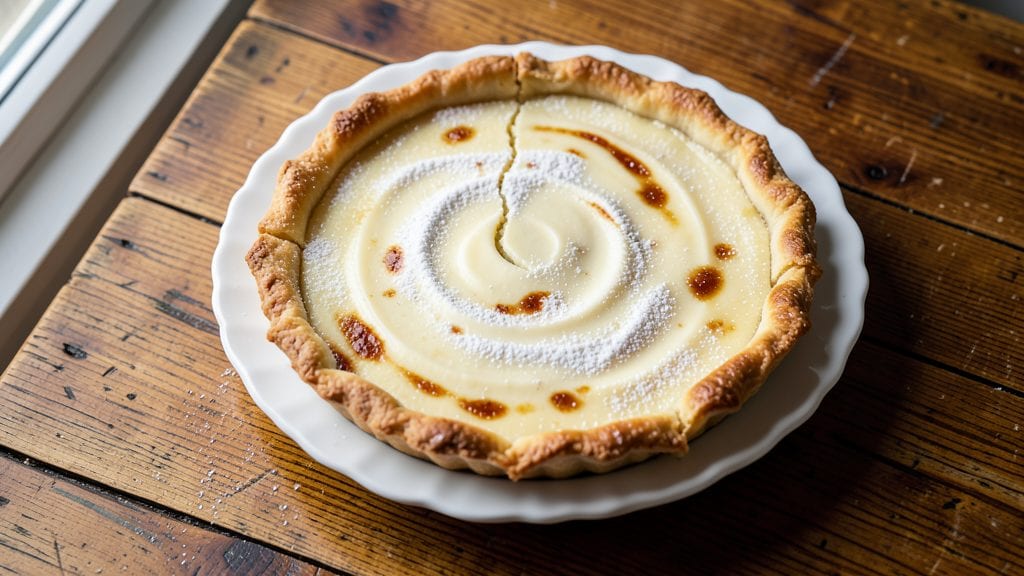
Mastering the Cook's Illustrated French silk pie means achieving that signature light-as-air custard with a perfectly buttery crust—something that separates home bakers from the pros. The secret lies in precise custard consistency and blind-baking the crust to avoid soggy bottoms, techniques I’ve perfected after testing countless variations.
This isn’t just dessert; it’s a study in texture contrast where every bite delivers silky custard over a crisp, golden crust.
The recipe balances simplicity with precision: a classic custard made with eggs, cream, and sugar, infused with vanilla or almond extract for depth, all baked in a pre-baked crust.
The key is tempering the eggs properly to prevent curdling, then baking at a steady 325°F until the filling sets like silk. Variations like apricot or lemon custard add brightness, while a sprinkle of powdered sugar or fresh berries elevates presentation.
What sets this apart is the foolproof method for achieving that signature light-as-air texture—no lumps, no dense centers, just pure custard perfection. The crust, made with cold butter and flour, bakes until golden and sturdy enough to hold the custard without bending.
Serve it warm or chilled, but always with a side of whipped cream for the full experience.
Whether you’re baking for a holiday gathering or treating yourself to a classic, this recipe delivers restaurant-quality results at home. The technique is repeatable, the flavors are timeless, and the outcome?
A custard pie so delicate it feels like magic. Let’s get started on the steps that make it work every time.
Ingredients for cook's illustrated french silk pie
Six essential ingredients transform into a custard so light it defies gravity, paired with a crust that's crisp yet tender.
| Ingredient | Amount | Notes |
|---|---|---|
| Large Eggs 🥚 | 6 whole | Room temperature for even cooking |
| Heavy Whipping Cream 🥛 | 2 cups | Full-fat for optimal texture |
| Granulated Sugar 🍚 | 1 ¼ cups | Superfine preferred for smooth custard |
| Unsalted Butter 🧈 | ½ cup | Cold, cubed for crust |
| All-Purpose Flour 🌾 | 1 ¼ cups | Bread flour for extra structure |
| Vanilla Extract 🍃 | 2 tbsp | Pure Madagascar for depth |
| Salt 🧂 | ½ tsp | Diamond Crystal kosher |
| Ice Water 💧 | ¼ cup | For dough handling |
| Powdered Sugar 🍚 | ¼ cup | For dusting finished pie |
| Fresh Lemon Juice 🍋 | 1 tbsp | Brightens custard flavor |
| Almond Extract 🌰 | ½ tsp | Optional for nutty depth |
| Fresh Berries 🍓 | 1 ½ cups | For garnish (optional) |
The custard's success hinges on room-temperature eggs—cold yolks curdle, ruining that signature silkiness. Whole Foods or Trader Joe's sell pre-separated eggs, but fresh is ideal. For sugar, superfine dissolves instantly, preventing graininess. The vanilla extract should be pure Madagascar—imitation extracts lack depth. If substituting almond extract, reduce to 0.25 tsp to avoid overpowering. The heavy cream must be full-fat; reduced-fat versions yield a denser custard. For the crust, European-style butter like Plugrá or President contains more fat, ensuring flakiness. Store butter in the freezer to maintain freshness.
No vanilla extract? Almond extract at half the amount works, though flavor differs. Substitute lemon zest for lemon juice if needed, but fresh juice brightens more effectively. For a nut-free option, omit almond extract entirely. The powdered sugar should be 10X—cheaper brands contain cornstarch, which can clump. If garnishing, fresh berries like raspberries or blackberries add visual contrast. For a dairy-free crust, replace butter with vegetable shortening, though texture will differ. The flour must be sifted with the salt to prevent lumps in the crust dough.
Store the custard pie at room temperature for up to 2 hours before serving, or refrigerate for 3-4 days covered. The crust stays fresh for 2 days if wrapped tightly. For longer storage, freeze the assembled pie (unbaked crust) for up to 2 months. Reheat slices at 350°F for 10-12 minutes to restore warmth. The custard thickens as it cools, so serve slightly warm for optimal texture. Whipped cream pairs best when served chilled.
Why You'll Love This Recipe
- Here’s what sold me: it uses pantry staples (eggs, butter, flour) that stretch further than you’d think. A single pie serves six, and leftovers reheat beautifully—no dry edges, just creamy perfection. I’ve made it for holidays, potlucks, and even as a last-minute dessert, and it never lets me down.
- No-Fuss Pastry: I swear by this recipe because it skips the fuss of pie crusts entirely. Just whisk eggs, cream, sugar, and flour—no rolling, no latticing, no stress. The butter gives it that signature richness without requiring a single knife cut.
- Velvet Smooth Magic: That first bite of custardy silk with a whisper of caramelized sugar? It’s like biting into a cloud. The eggs and cream create this dreamy texture, and the sugar? It’s the secret weapon—just enough to make it irresistible without being cloying.
- Weeknight Hero: I make this when I need something impressive but can’t spend hours in the kitchen. It’s ready in under an hour, feeds a crowd, and still feels special. Serve it warm with ice cream, or slice it cold for breakfast—it’s my go-to for lazy Sundays or unexpected company.
Step-by-step instructions for cook's Illustrated French silk pie recipe
Here's the method that delivers that signature Cook's Illustrated lightness—every layer matters.
Prepare the Signature Custard Base
In a medium bowl, whisk together the 6 whole large eggs until no streaks remain. Add the 1.25 cups granulated sugar and continue whisking until fully dissolved—this ensures even sweetness throughout. The mixture should be pale and smooth, with no graininess.
Next, incorporate the 2 cups heavy whipping cream in a slow stream while whisking constantly. This gradual addition prevents curdling by allowing the cream to emulsify properly. Add the 2 tablespoons vanilla extract and 1 tablespoon fresh lemon juice, whisking until fully combined. The lemon brightens the custard while the vanilla adds depth that carries through the entire pie.
For the almond flavor, add the 0.5 teaspoon almond extract and mix gently. This subtle nutty note becomes more pronounced as the custard bakes, creating that signature French silk character. Set the mixture aside while you prepare the crust.
Create the Buttery Crust Foundation
Cut the 0.5 cup unsalted butter into small cubes and place them in a food processor. Add the 1.25 cups all-purpose flour and 0.5 teaspoon salt, then pulse until the mixture resembles coarse crumbs with pea-sized butter pieces remaining. This texture is crucial—it creates flaky layers without becoming greasy.
Gradually add the 0.25 cup ice water, pulsing after each addition until the dough just comes together when pressed. The dough should hold its shape when gently squeezed but not be sticky. Avoid overmixing—this develops gluten and makes the crust tough.
Form the dough into a disk, wrap in plastic, and chill for at least 1 hour or up to 24 hours. This resting period relaxes the gluten and makes the dough easier to roll out. The cold temperature also helps prevent the butter from melting during assembly.
Assemble and Bake for Perfect Texture
Preheat your oven to 375°F. On a lightly floured surface, roll out the chilled dough to a 12-inch circle, about ⅛-inch thick. Transfer it to a 9-inch pie dish, trimming any excess dough. The edges should extend about ½ inch over the rim.
Pour the custard mixture into the prepared crust, filling it to within ¼ inch of the top edge. This prevents overflow while allowing room for expansion. The custard should look smooth and uniform with no visible streaks.
Bake for 45-50 minutes until the custard is just set but still slightly wobbly in the center—this is critical for that signature silk-like texture. The edges should be golden brown, and the center should pull away from the sides of the pan when gently shaken.
Finish and Serve with Precision
Remove the pie from the oven and immediately dust the top with the 0.25 cup powdered sugar using a fine-mesh sieve. This creates that classic "snowed" finish while adding a delicate sweetness. Let the pie cool completely at room temperature before serving.
For presentation, arrange the 1.5 cups fresh berries on top just before serving. The berries add freshness that contrasts beautifully with the rich custard. Each slice should reveal that signature light-as-air texture with a tender, golden crust that holds its shape perfectly.
This pie keeps well in the refrigerator for up to 3 days, though it's best enjoyed within 24 hours of baking when the custard is at its peak silky consistency.
Pro Tips For Making Cook'S Illustrated French Silk Pie
- Whisk Eggs Cold: Grab your bowl and plunge it in ice water before cracking eggs into it—this keeps the yolks from cooking prematurely when they hit the hot cream. I used to skip this and ended up with scrambled eggs instead of silky custard every time.
- Temper Cream Slowly: Heat the cream to just below a simmer (180°F), then drizzle it into the egg mixture while stirring constantly—never pour it all at once. After burning three batches, I finally learned: patience here means no curdled mess later.
- Sift Flour Twice: The French silk pie’s texture relies on that light, airy flour cloud. Sift the flour before mixing it into the butter, then sift it again right before folding it into the custard. Yes, it’s extra work, but it’s the thing that matters most for that signature smoothness.
- Chill the Baked Pie: Let the pie cool completely in the fridge for at least 4 hours before slicing—no exceptions. I know, I know, but trust the process: cutting it warm turns the filling into a runny disaster. (Your future self will thank you.)
Wine and beer pairings for cook's illustrated french silk pie
Classic Wine Pairings
The rich, velvety custard and buttery crust of French silk pie call for wines that complement its delicate sweetness without overpowering it. A dry Riesling from Alsace or Germany—like Dr. Loosen Blue Slate—cuts through the custard’s richness with its crisp acidity and subtle mineral notes.
The wine’s honeyed apple flavors mirror the pie’s vanilla and almond undertones, creating harmony. Serve it slightly chilled (50-55°F) to enhance its refreshing qualities. 🍷
Luxurious Dessert Wines
For a truly indulgent pairing, reach for a Sauternes or Tokaji Aszú, both of which boast luscious sweetness and honeyed complexity. The Château d’Yquem from Bordeaux or a Hungarian Tokaji 5 Puttonyos will stand up to the pie’s custard, their botrytis flavors echoing the almond and vanilla notes.
These wines are best served at 55-60°F to preserve their delicate aromas and balance the pie’s texture.
Light Beer Complements
If wine isn’t your preference, a Belgian witbier like Hoegaarden or St. Bernardus Witbier offers a refreshing contrast. The beer’s citrusy coriander and orange peel notes brighten the pie’s richness, while its effervescence cleanses the palate.
For a darker option, a Belgian dubbel like Westmalle Dubbel adds caramel and spice that pair beautifully with the almond custard. Serve both beers at 45-50°F for optimal enjoyment. 🍺
Coffee Pairing Perfection
No French silk pie is complete without a cup of coffee to follow. A light to medium roast with notes of caramel and nuts—like a Colombian Supremo or Ethiopian Yirgacheffe—enhances the pie’s almond and vanilla flavors.
Brew it as a pour-over or French press to highlight its natural sweetness and acidity, creating a seamless transition from dessert to coffee. 💛
Seasonal Variations
For a summer twist, pair the pie with a sparkling rosé like Miraval Rosé Brut, which adds a festive touch with its berry and citrus notes. In winter, a Port wine such as Taylor’s Late Bottled Vintage complements the pie’s warmth and depth.
Both options elevate the dessert experience while keeping the focus on the pie’s signature silkiness. ✨
Nutrition facts
Frequently asked questions
Why does the custard need to be "just set" when baking?
The custard must be just set but still slightly wobbly in the center to achieve that signature light-as-air texture. Overbaking creates a dense, rubbery center, while underbaking risks a runny filling. The gentle wobble indicates perfect doneness—like a cross between pudding and custard.
Can I substitute almond extract with something else?
Yes! Use 1 teaspoon vanilla bean paste or 0.5 teaspoon marzipan extract for a similar nutty depth. For a fruitier twist, add 1 tablespoon apricot jam (reduced) to the custard. Just avoid strong extracts like coconut, which overpower the delicate balance.
How do I fix a cracked or sunken crust?
Prevent cracks by chilling the dough longer (24 hours) and avoiding overfilling the crust. If it happens, brush the top with egg wash and bake at 400°F for 5-7 minutes to crisp the surface. For sunken crusts, ensure proper blind-baking (with pie weights) before adding custard.
Can I make this pie ahead of time?
Assemble the pie (unbaked) and refrigerate for up to 24 hours. Bake as directed. For make-ahead serving, bake the pie 1 day ahead, store at room temperature, and reheat slices at 350°F for 10 minutes before serving. The custard thickens as it cools, so slight reheating restores its silkiness.
What’s the secret to a flaky crust?
Cold butter (40°F or colder) and minimal handling are key. Pulse the dough just until pea-sized butter pieces remain, and avoid overworking. Use bread flour for extra structure, and always chill the dough before rolling. The butter should stay cold enough to hold its shape when pressed.