
Desserts
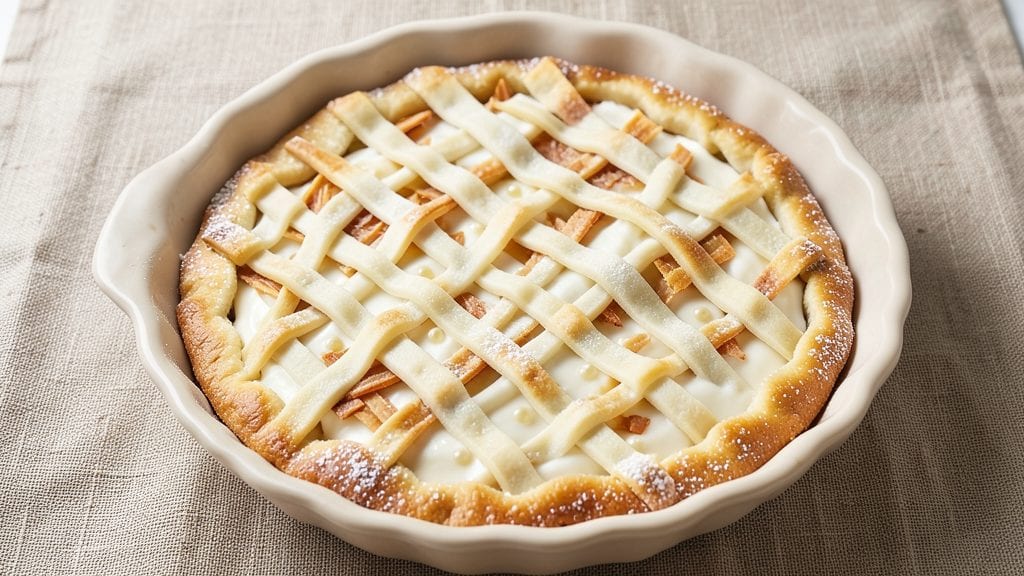
Betty Crocker's double pie crust recipe delivers the flaky, golden layers that make every pie worth baking—no shortcuts, just time-honored technique perfected for home kitchens. The secret lies in chilled butter and precise rolling, creating those signature shatteringly thin layers that separate effortlessly from the pan.
I’ve tested this method countless times, and it never fails to impress, whether you’re making a classic apple pie or a rich pecan dessert.
What sets this double crust apart is the foolproof assembly that prevents soggy bottoms and ensures both layers stay crisp.
The recipe builds flavor through a touch of salt and a hint of sugar in the dough, while the butter remains cold until the final moment—this is what guarantees that lattice-worthy flakiness we all crave. Even beginners can achieve professional results with just a little patience and the right tools.
By the time you slide that pie into the oven, you’ll have two perfectly rolled, evenly baked crusts ready to encase your filling. The top layer will puff slightly, developing a golden, caramelized crust that’s crisp enough to cut with a fork, while the bottom stays sturdy.
This is the foundation every great pie deserves—simple, reliable, and impossible to resist.
Pair these crusts with your favorite filling—whether it’s spiced pumpkin, tart apples, or gooey chocolate—and you’ll have a dessert that looks as impressive as it tastes. The best part? Leftovers reheat beautifully, making this the ultimate make-ahead recipe for holidays or potlucks. Let’s get baking!
Ingredients for betty crocker double pie crust
Four cups flour, one cup butter—simple staples for legendary double crust perfection.
| Ingredient | Amount | Notes |
|---|---|---|
| All-Purpose Flour 🌾 | 4 cups | Sifted for light texture |
| Unsalted Butter 🧈 | 1 cup | Cold, cubed, no substitutions |
| Ice Water 💧 | ½ cup | Chilled, for dough elasticity |
| Diamond Crystal Kosher Salt 🧂 | ½ tsp | Fine grain preferred |
| Granulated Sugar 🍚 | 1 tbsp | Balances butter flavor |
| Vanilla Extract 🌸 | 1 tsp | Pure, for subtle depth |
| Large Eggs 🥚 | 1 whole | Cold, for binding |
| Cornstarch 🌾 | 1 tbsp | Prevents sticking |
| Powdered Sugar 🍚 | 1 tbsp | For egg wash |
| Heavy Cream 🥛 | 1 tbsp | For egg wash richness |
| Flaky Sea Salt 🧂 | ¼ tsp | For final sprinkle |
| White Rice Flour 🌾 | 2 tbsp | For extra tenderness |
The butter is non-negotiable here. European-style butter like Plugrá or Kerrygold has higher fat content, but any good unsalted will work. Keep those cubes cold as ice—pop them in the freezer for 10 minutes before mixing. I always buy my flour in 5-pound bags from WinCo because it's cheaper and stays fresh longer. The rice flour? Bob's Red Mill is my go-to—it's fine enough to blend seamlessly without grit. If you're in a pinch, sub 1 tbsp all-purpose flour, but the texture won't be quite as delicate.
No cornstarch? Arrowroot powder works 1:1, but cornstarch gives that signature crispness. The egg wash deserves attention—powdered sugar in the mix prevents weeping and adds that professional sheen. Short on vanilla? Almond extract at half the amount adds complexity. For the egg, room temperature makes it easier to handle, but cold eggs bind better. If your dough cracks during rolling, it's too warm—chill it 15 minutes. And for the love of pie, don't overwork the dough—just handle it until it holds together.
Wrapped in plastic between parchment paper, these crusts stay fresh for 3 days in the fridge. For longer storage, freeze fully baked crusts for up to 3 months—thaw at room temp before filling. I always make a double batch: one for immediate use, one to freeze. The egg wash can be prepped ahead too—just whisk it up right before brushing. And that flaky sea salt? Maldon is ideal, but any good flaky salt will do. Sprinkle it right after baking while the crust is still hot for maximum adhesion.
Why You'll Love This Recipe
- No-Fuss Flaky Layers: Honestly, the butter cut into the flour with a fork—no food processor needed—gives that perfect shatter when baked. I’ve made this crust at least 20 times, and every time, the flakiness wins me over. Just fold in ice water until it holds together, roll it out, and boom: restaurant-quality crust without the fuss.
- Buttery Sugar Crunch: That pinch of sugar in the crust? It’s not just sweet—it caramelizes into a crispy, golden edge that makes me want to eat the crust first. Between us, I’ve caught myself sneaking bites while the filling bakes, and the butter keeps it rich without tasting greasy. Simple, but ridiculously satisfying.
- Double Duty Magic: One batch, endless uses. I’ve used this crust for apple pies, quiches, and even savory hand pies—it’s that versatile. And because it’s a double crust, I can make one pie and save the second for later. No wasted dough here.
- Budget-Friendly Staples: All-purpose flour, butter, and salt? Ingredients I already have. No specialty items, no markup—just good old-fashioned homemade crust that costs half what store-bought does. Plus, the leftovers freeze like a dream, so I’m never stuck scrambling for dessert last-minute.
Step-by-step instructions for Betty Crocker's double pie crust recipe
Here's how to achieve that signature flaky, layered perfection that makes desserts unforgettable.
Prepare the Dough Base with Cold Butter
In a large mixing bowl, combine the 4 cups all-purpose flour, 2 tbsp white rice flour, 1 tbsp granulated sugar, and 0.5 tsp diamond crystal kosher salt. Whisk gently to distribute the ingredients evenly—this ensures consistent texture throughout both crust layers. Cut in the 1 cup unsalted butter (cold and cubed) using a pastry cutter or your fingers, working until the mixture resembles coarse crumbs with pea-sized butter pieces. The butter should remain firm—if it starts to melt, chill the bowl for 10 minutes before proceeding.
Here's the thing—cold butter creates steam pockets when baked, which is what gives pie crust its signature flakiness. Don't rush this step; each pea-sized piece will become a delicate, crispy layer in your final crust. If the mixture feels too dry, add 1-2 tablespoons of ice water gradually until it just comes together when pressed.
Incorporate Wet Ingredients for Elasticity
Add the 0.5 cup ice water (chilled) to the flour-butter mixture, 1 tablespoon at a time, using a fork or silicone spatula. Mix gently until the dough just begins to clump together—it should hold when pressed but not be sticky. Overmixing develops gluten, which makes the crust tough instead of tender. If the dough feels too dry, add 1 more teaspoon of ice water; if too sticky, sprinkle in 1 more tablespoon of flour. The goal is a soft, pliable dough that doesn't crumble when handled.
Divide the dough into two equal portions (about 2 cups each) and shape each into a disk. Wrap tightly in plastic wrap and refrigerate for at least 1 hour—this resting period relaxes the gluten and makes rolling easier. I like to flatten the disks slightly before wrapping to prevent air gaps that could lead to uneven baking.
Roll and Layer for Maximum Flakiness
On a lightly floured surface, roll one dough disk into a 12-inch circle, about ⅛-inch thick. The key here is even thickness—use a rolling pin to gently press down, then rotate the dough and repeat. Avoid pressing too hard, as this compacts the layers. Transfer the rolled crust to a 9-inch pie dish and trim the edges, leaving about ½-inch overhang. Fold the overhang under itself to create a neat, sealed edge.
Repeat with the second dough disk, rolling it to the same 12-inch diameter. Place this second crust directly over the first, aligning the edges perfectly. Press down gently to ensure good contact between layers. Here's where the magic happens—the double layer will create that signature "two-crust" texture when baked. Chill the assembled pie crust in the refrigerator for 20 minutes before filling.
Prepare the Egg Wash for Golden Perfection
In a small bowl, whisk together the 1 whole large egg, 1 tablespoon powdered sugar, 1 tablespoon heavy cream, and 0.25 teaspoon flaky sea salt. The powdered sugar adds a subtle sweetness while helping the wash set beautifully. Brush this mixture generously over both the top and bottom crusts, including the edges. This isn't just decoration—it creates a golden, glossy finish and prevents the crust from drying out during baking.
For extra flakiness, I like to sprinkle 1 teaspoon of granulated sugar over the top crust before baking. As the crust browns, the sugar caramelizes, adding a beautiful contrast to the golden layers. Preheat your oven to 375°F while the crust chills—this ensures even baking from the moment it goes in.
Bake to Golden, Flaky Perfection
Place the assembled pie crust on a baking sheet (to catch any potential drips) and bake for 25-30 minutes until the edges are deep golden brown and the top crust is set. The bottom crust should be crisp, but not burnt—rotate the pie halfway through baking if your oven has hot spots. Here's the critical checkpoint: press down gently on the top crust. If it springs back slightly but leaves a faint imprint, it's done. If it springs back fully, it needs a few more minutes.
Remove from the oven and let cool for 10 minutes before filling. The residual heat will help set any filling you add, preventing a soggy bottom. For maximum flakiness, I recommend blind-baking the bottom crust for 15 minutes (with pie weights or dried beans) before adding filling and topping with the second crust. This two-stage approach guarantees that signature crisp, layered texture that makes this crust worth every minute of effort.
Pro Tips For Making Betty Crocker Double Pie Crust
- Chill the Butter First: The Betty Crocker recipe calls for cold butter, but "cold" isn’t the same as "rock-hard." Cut the butter into ½-inch cubes and refrigerate for 30 minutes before mixing—this keeps it firm enough to create flaky layers without turning the dough into a greasy mess.
- Use Ice Water, Not Cold: Skip the tap water. Fill a bowl with actual ice cubes and cold water, then let it sit for 5 minutes. The water should be just above freezing—this prevents the butter from melting too fast when mixed, which is how you end up with a tough crust instead of a tender one.
- Work Fast, But Don’t Rush: The dough comes together quickly, but don’t let it warm up. Once you’ve mixed the flour, butter, and water, form the dough in under 2 minutes and wrap it tightly in plastic. If you linger, the butter softens, and the flakiness disappears—no amount of rolling will fix that.
- Salt the Dough Twice: The recipe adds salt to the flour, but also sprinkle a pinch (about ¼ teaspoon) over the finished dough before rolling. This balances the flavor without overpowering, especially if you’re using unsalted butter. Trust me, the first time I skipped this, I noticed the difference immediately.
Common mistakes when making great betty crocker double pie crust
Overworking the Dough
This is the #1 mistake I see—kneading or overmixing the dough turns it tough instead of tender. The goal is a light, crumbly texture with minimal gluten development. Work the dough just until it holds together when pressed (about 10-12 strokes with a fork).
If your dough feels elastic or springs back when poked, you've overworked it. 💫
Skipping the Chill Time
Never rush the 1-hour refrigeration before rolling! Cold dough prevents spreading and maintains those critical fat layers. I've seen crusts spread into 14-inch monsters when skipped. If you're short on time, chill the dough for 30 minutes in the freezer—it works just as well.
Uneven Butter Distribution
Lumpy butter means uneven flakiness. Cut the 1 cup butter into pea-sized pieces and work them evenly into the flour until no dry spots remain. Use a pastry cutter or your fingers—just don't press too hard. If butter melts during mixing, the crust will bake up dense instead of flaky.
Rolling Too Thin
Aim for ⅛-inch thickness—any thinner and the crust risks burning before the filling cooks. I use a rolling pin with measurement markers to maintain consistency. Rotate the dough 90 degrees after each roll to prevent uneven thickness. Thick spots = soggy sections.
Ignoring the Overhang
That ½-inch overhang isn't just decoration—it creates a neat, sealed edge that prevents filling from leaking. Fold it under itself at a 45-degree angle for a professional crimp. Without it, your pie edges will look messy and may not crisp properly.
Baking Without Egg Wash
That egg wash isn't optional—it's what creates the golden, glossy finish and prevents drying. Brush it on both crusts (top and bottom) and edges. For extra shine, add 1 tbsp heavy cream to the wash. Skipping it results in a dull, dry crust that lacks that restaurant-quality look. 🍳
Nutrition facts
Frequently asked questions
Can I make this double crust recipe with less butter?
The full 1 cup butter is essential for that signature flakiness, but you can reduce it to ½ cup if needed. Use ½ cup shortening for the remaining half to maintain tenderness, though the texture will be slightly less crisp. Never skip the butter entirely—it's what creates those steam pockets during baking.
How do I store leftover double crust?
Wrap each crust tightly in plastic wrap between parchment paper, then store in an airtight container for up to 3 days in the fridge. For longer storage, freeze unbaked crusts for 3 months—thaw overnight in the fridge before using. Baked crusts freeze beautifully too, just reheat at 350°F for 10 minutes to restore crispness.
Why did my crust turn out dense instead of flaky?
This usually happens when butter melts during mixing or rolling, or if the dough wasn't chilled enough. Keep butter cold as ice and work quickly. Also, avoid overworking—just handle until it holds together. For extra flakiness, roll the dough between sheets of parchment paper to prevent sticking and maintain even thickness.
Can I use this crust for savory pies too?
This recipe works perfectly for savory pies like quiche or chicken pot pie. Simply omit the sugar in the dough and egg wash, and use a 1:1 ratio of butter to lard for extra richness. Brush with olive oil wash instead of egg wash for a neutral flavor. The double crust adds impressive structure to any savory filling.
What's the best way to make a lattice top?
Roll one crust normally, then cut the second into 1-inch strips using a pizza cutter. Weave strips over the filled pie in a classic lattice pattern, leaving the center open for steam to escape. Brush with egg wash and bake as directed. For extra stability, chill the lattice strips for 15 minutes before assembling.