
Desserts
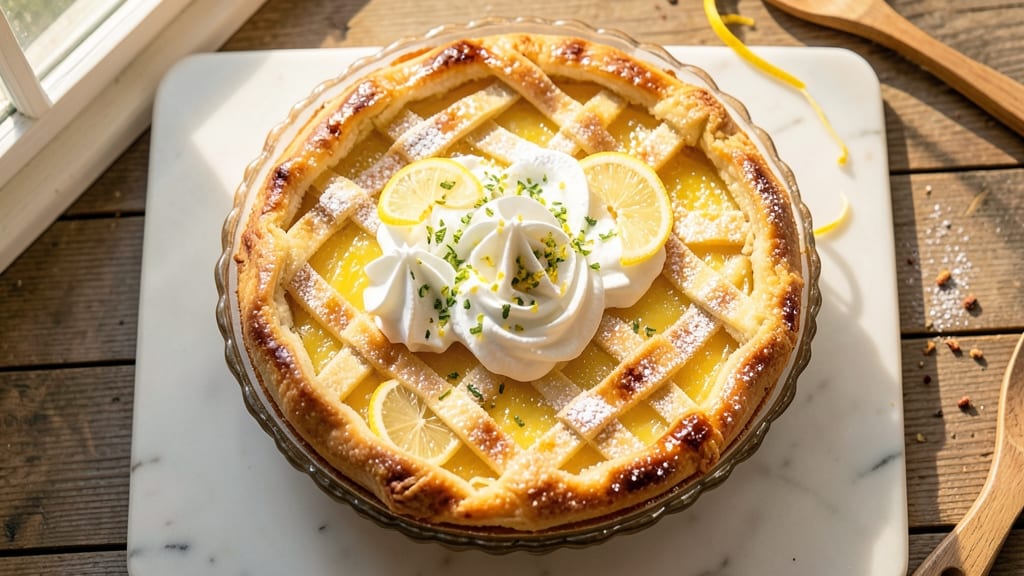
Ann Landers' lemon pie recipe delivers that perfect balance of bright citrus and buttery crust that's become a classic dessert staple. This timeless recipe transforms simple ingredients into a showstopping pie with a tender, flaky crust and tangy, velvety filling that practically melts in your mouth.
The secret lies in the proper custard technique—cooking the eggs and lemon mixture just until it thickens creates that signature creamy texture without turning to rubber. What sets this lemon pie apart is its nostalgic appeal, reminiscent of home-baked desserts from decades past.
The crust achieves that ideal flakiness through proper layering and chilling, while the filling gets its signature zing from fresh lemon juice and zest. Baking at the right temperature ensures a golden crust and perfectly set filling that holds its shape when sliced.
The result is a pie that's both impressive enough for company and comforting enough for family gatherings. For the finishing touch, a dusting of powdered sugar and a dollop of whipped cream elevate this pie to restaurant-quality status.
The contrast between the tart lemon filling and sweet whipped cream creates a flavor experience that's hard to resist. This recipe delivers on all fronts—appealing appearance, perfect texture, and that nostalgic homemade taste that makes it worth every minute of preparation.
The key to success begins with the crust, which requires proper handling to achieve that signature flakiness. Using cold butter cut into the flour creates those delicate layers that bake up beautifully. For the filling, precise measurements and gentle cooking prevent curdling while developing that perfect creamy consistency.
The pie's final bake at a moderate temperature ensures both components cook through evenly without overbaking. What you'll end up with is a lemon pie that's become a beloved classic for good reason—bright, tangy, and perfectly balanced with a buttery crust that holds up to each slice.
The aroma alone as it bakes will have everyone gathering in the kitchen, and the first bite delivers that perfect combination of textures and flavors that makes this pie a true dessert masterpiece.
Ingredients for ann landers lemon pie
Bright lemons meet buttery layers—this classic pie needs just 11 ingredients to shine.
| Ingredient | Amount | Notes |
|---|---|---|
| All-Purpose Flour 🌾 | 2 ½ cups | Sifted for lighter crust |
| Unsalted Butter 🧈 | 1 cup | Cold, cubed for flakiness |
| Granulated Sugar 🍚 | 1 ½ cups | For crust and filling |
| Fresh Lemons 🍋 | 6 whole | Juiced and zested (about 1 cup juice) |
| Large Eggs 🥚 | 5 whole | Fresh for best custard |
| Heavy Cream 🥛 | 1 ½ cups | Full-fat for richness |
| All-Purpose Flour 🌾 | ¼ cup | For thickening filling |
| Salt 🧂 | ½ tsp | Fine sea salt preferred |
| Powdered Sugar 🍚 | ½ cup | For dusting top |
| Heavy Whipping Cream 🥛 | 1 cup | Chilled for serving |
| Vanilla Extract 🌿 | 1 tsp | Pure for best flavor |
The butter is non-negotiable for that signature flakiness—use cold, cubed sticks cut into the flour. Land O'Lakes or Plugrá work perfectly, but nothing beats real European-style butter. For the lemons, fresh is a must—the zest adds that signature zing, and bottled juice just can't compare. I always grab a few extra lemons since zest is wasted if you don't use them all. The eggs? Freshness matters—they should float in cold water if you're unsure. For the crust, sifting the flour prevents lumps and gives that light, airy texture we all crave.
No fresh lemons? Bottled lemon juice works in a pinch, but add a pinch of cream of tartar to mimic fresh zest. Running short on butter? Vegetable shortening gives a similar texture, though it lacks flavor. The vanilla extract can be swapped for vanilla bean paste if you're feeling fancy—just halve the amount. For the filling, if you accidentally curdle the eggs, whisk in 1 tbsp cold water to smooth it out. The powdered sugar dusting? Use confectioners' sugar—it dissolves beautifully, unlike regular sugar.
This pie tastes even better the next day—make it ahead if you can. Store the crust separately, wrapped in plastic, for up to 3 days, and the filling in the fridge for 2 days before assembling. The whipped cream should be made fresh and kept chilled until serving. For a restaurant-worthy touch, garnish with lemon twists right before serving. Leftovers? They keep for 5 days in the fridge, though I've never had any last that long!
Why You'll Love This Recipe
- No-Fuss Crust: I’ll admit, I used to dread pie crusts—but this one’s just a butter-and-flour hug. You don’t even need a food processor; a fork and cold fingers do the trick. That golden, flaky lattice? Achievable without the stress of rolling dough.
- Zesty Tang Perfection: Between us, store-bought lemon pie pales. Freshly zested lemons and just enough sugar let the bright, citrusy punch shine through. The egg yolks in the filling? They make it silky, not grainy—like a hug from a dessert you actually trust.
- Picnic to Potluck: This pie travels like a champ. Pack it for a beach day, bring it to a holiday spread, or—here’s my secret—serve it warm with vanilla ice cream on a random Thursday. The crust holds up, the filling stays cool, and everyone thinks you slaved over it.
- Budget Bright Spot: I make this with pantry staples and a single lemon tree’s worth of fruit. No fancy shortcuts, no overpriced extracts—just butter, sugar, and eggs doing their magic. Leftovers? They disappear faster than I can say “second slice,” and they taste just as good reheated (yes, even reheated).
Step-by-step instructions for ann Landers' lemon pie
This classic recipe delivers bright, tangy lemon filling with a perfect buttery crust—every layer matters!
Make the Buttery Crust
Cut the 1 cup unsalted butter into small cubes and place them in the freezer for 10 minutes to chill. In a large bowl, whisk together the 2.5 cups all-purpose flour and 1.5 cups granulated sugar. Add the chilled butter cubes and use a pastry cutter or your fingers to work the butter into the flour until the mixture resembles coarse crumbs with pea-sized butter pieces.
Sprinkle in 0.5 teaspoon salt and mix gently. Press the dough evenly into a 9-inch pie dish, building up the edges to create a 1-inch high rim. Chill the crust in the refrigerator for 30 minutes while you prepare the filling. This resting step prevents shrinking and ensures a flaky texture when baked.
Bake the Crust
Preheat your oven to 375°F. Line the chilled crust with parchment paper, fill it with pie weights or dried beans, and bake for 15 minutes. Remove the weights and bake for another 10 minutes until the edges are light golden brown. The crust should be set but not dark. Prick the bottom with a fork to prevent puffing, then return to the oven for 2-3 minutes to remove any steam.
Here's the thing—if your crust puffs up during baking, don't panic. Just use a small knife to gently trim the excess after baking. The goal is a sturdy base that won't crack when you pour in the lemon filling later.
Prepare the Lemon Filling
Juice all 6 whole fresh lemons, yielding about 1 cup juice. Strain through a fine-mesh sieve to remove any pulp. In a medium saucepan, combine the lemon juice, 1.5 cups granulated sugar, and 1.5 cups heavy cream. Bring to a boil over medium-high heat, stirring constantly until the sugar dissolves completely.
Reduce heat to medium-low and simmer for 5-7 minutes until the mixture thickens slightly. Meanwhile, whisk together the 5 whole large eggs and 0.25 cup all-purpose flour in a separate bowl. Slowly pour the hot lemon mixture into the egg mixture while whisking vigorously to temper the eggs and prevent scrambling.
Assemble and Bake the Pie
Pour the tempered lemon filling into the pre-baked crust. Bake at 350°F for 50-55 minutes until the filling is set but still slightly wobbly in the center. The edges should be golden brown, and the filling should look like a thick custard. If the top browns too quickly, tent the pie with foil.
Real talk: The filling should jiggle slightly when the pie is done—this ensures it's creamy, not rubbery. Let the pie cool completely at room temperature before refrigerating for at least 4 hours (or overnight). This resting period allows the flavors to meld and the texture to firm up beautifully.
Serve with Whipped Cream
Before serving, dust the top with 0.5 cup powdered sugar and drizzle with a little extra lemon juice if desired. Whip the 1 cup heavy whipping cream with 1 teaspoon vanilla extract until soft peaks form. Spoon dollops of whipped cream over each slice and serve chilled.
Each slice should offer a perfect balance of tangy lemon and sweet cream, with a flaky crust that holds its own. The secret to this pie's success lies in the precise baking times and proper resting—don't rush it! This classic dessert is worth every minute of waiting.
Pro Tips For Making Ann Landers Lemon Pie
- CHILL THE BUTTER FIRST: Ann Landers’ recipe calls for cold butter in the crust, but I learned this the hard way—room-temperature butter makes a greasy, crumbly mess. Pop those sticks in the freezer for 15 minutes before cutting, then work fast. If the dough gets too soft, toss it back in the fridge for 10 minutes. Trust me, this keeps the crust flaky instead of floppy.
- ZEST THE LEMONS WELL: Don’t just juice those lemons—grate the zest too, but only the bright yellow part (skip the bitter white pith). A microplane works best, and you’ll need about 2 teaspoons. I used to skimp, but the filling tastes flat without that citrusy punch. If your lemons are small, use 3 instead of 2 for maximum zing.
- BAKE THE CRUST ALONE: Pre-bake the crust for 12-15 minutes at 375°F until it’s just starting to turn golden. This prevents a soggy bottom when the filling goes in. Line it with parchment paper, fill with pie weights or dried beans, and bake until edges are set. Remove the weights, but leave the parchment—it’s easier to lift out later.
- WHISK EGGS UNTIL THICK: The filling’s texture depends on how well you beat the eggs and sugar. Whisk them together until the mixture is thick, pale, and ribbons form when you lift the whisk. I used to rush this, and the filling ended up runny. A hand mixer helps, but go slow—you’re not trying to make meringue, just a smooth, stable base.
Wine and beer pairings for this ann landers lemon pie
Citrus-Forward Whites
Lemon pie's bright acidity pairs beautifully with crisp, zesty white wines that mirror its citrus notes. A Sauvignon Blanc from New Zealand or Loire Valley—think Cloudy Bay or Sancerre—cuts through the richness with its herbal and grapefruit undertones.
The wine's high acidity matches the pie's tang, while its mineral finish cleanses your palate between bites. 🍷
Creamy Dessert Reds
For a surprising but delicious contrast, try a Pinot Noir with subtle fruitiness like Meiomi or a Gamay from Beaujolais. These lighter reds won't overpower the lemon's brightness but add a velvety texture that complements the whipped cream topping. Look for bottles with 12-13% ABV to avoid overwhelming the dessert.
Light Beer Pairings
A Belgian Witbier like Hoegaarden or Stella Artois offers a refreshing contrast with its coriander and citrus notes. The effervescence helps reset your palate between slices, while the slight sweetness balances the pie's tartness. For a stronger option, try a Kolsch with its crisp, dry finish. 🍺
Coffee & Tea Finishes
After your pie, serve with a light roast coffee like Colombian Supremo to highlight the lemon's brightness. For tea lovers, an Earl Grey with its bergamot notes creates a sophisticated pairing. Both beverages enhance the pie's citrus flavors without competing with them.
Spiced Wine Digestion Aid
Warm up a glass of Mulled White Wine infused with cinnamon sticks and orange peel to serve alongside. The spices aid digestion after a rich dessert while complementing the pie's citrus profile. This is my go-to when serving lemon pie at holiday gatherings—it's always a crowd-pleaser. ✨
Nutrition facts
Frequently asked questions
Can I make this lemon pie without a pre-baked crust?
While traditional recipes bake the crust first, you can try a no-bake approach by pressing the dough into the pie dish and chilling it for 1 hour before adding the filling. However, the crust may become soggy—baking it first ensures a sturdy base that holds up to the tangy filling. For best results, stick with the pre-baked method!
What if my lemon filling curdles?
Don't panic! If you see lumps forming, whisk in 1 tablespoon cold water to smooth it out. Always temper the eggs by slowly pouring the hot lemon mixture into the egg bowl while whisking constantly. If curdling happens, just keep whisking gently—the filling will still taste great!
How do I know when the pie is fully set?
The filling should be just slightly wobbly in the center when done—like 2-3 seconds of jiggle when gently shaken. Overbaking turns it rubbery, while underbaking leaves it too soft. Insert a knife near the center: if it comes out clean (or with just a few moist crumbs), it's perfect!
Can I substitute bottled lemon juice?
Yes, but add 1/4 teaspoon cream of tartar per cup of juice to mimic fresh lemon's acidity. For zest, use 1 teaspoon bottled lemon zest per lemon (or 1/2 teaspoon per lemon if using dried zest). Fresh is ideal, but bottled works in a pinch!
Why does my crust turn out tough instead of flaky?
Cold butter is key! If your crust feels dense, the butter may have melted during mixing. Keep everything chilled, cut butter into small cubes, and work quickly. Also, avoid overworking the dough—just mix until pea-sized crumbs form. A 30-minute chill before baking is non-negotiable for flakiness!