
Desserts
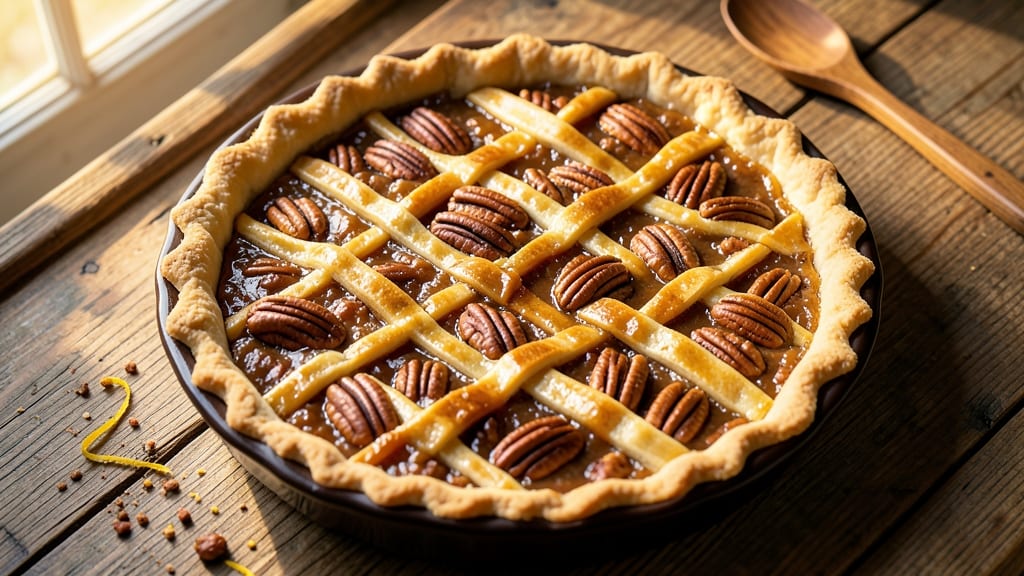
Angus Barn's pecan pie recipe delivers that perfect balance of buttery crust and gooey, caramelized pecan filling every time. The secret lies in toasting the pecans until golden and fragrant, then blending them with a rich syrup that creates that signature sticky texture. This isn't just dessert—it's an experience that transforms your kitchen into a classic Southern bakery.
What sets this recipe apart is the attention to detail in both crust and filling. The pie crust gets pressed into the pan with just the right pressure for a flaky, golden-brown base, while the filling combines eggs, butter, and corn syrup in precise proportions.
The key technique? Baking at a lower temperature initially to let the filling set properly before finishing with a high-heat burst for that beautiful caramelized top.
By the time it emerges from the oven, you'll have a pie with a crisp, buttery crust that contrasts beautifully with the rich, nutty filling. The pecans should be tender yet still hold their shape, all coated in that perfect caramelized syrup.
It's the kind of pie that makes people ask for seconds—and thirds.
Serve warm with a dollop of whipped cream or a drizzle of caramel for the full Angus Barn experience. The aroma alone will have your guests anticipating dessert before the main course even ends. Let's get baking!
Ingredients for angus barn pecan pie
Buttery crust meets caramelized pecan perfection—just 13 ingredients for Southern-style indulgence.
| Ingredient | Amount | Notes |
|---|---|---|
| Unsalted Butter 🧈 | 1 cup | Cold, cut into pieces |
| All-Purpose Flour 🌾 | 2 ½ cups | Sifted, plus extra for dusting |
| Granulated Sugar 🍚 | ½ cup | For crust, plus extra for filling |
| Ice Cubes ❄️ | ½ cup | For chilling butter |
| Large Eggs 🥚 | 2 whole | Room temperature |
| Light Corn Syrup 🍯 | 1 cup | Karo brand preferred |
| Pure Maple Syrup 🍁 | ¼ cup | Grade B for depth |
| Raw Pecans 🌰 | 2 cups | Shells removed, toasted |
| Vanilla Extract 🌿 | 1 tbsp | Pure, high-quality |
| Salt 🧂 | ½ tsp | Fine sea salt |
| Baking Powder 🍞 | 1 tsp | Aluminum-free |
| Ground Cinnamon 🌶️ | ½ tsp | Freshly ground preferred |
| Heavy Cream 🥛 | ¼ cup | For optional caramel drizzle |
The butter matters here. European-style unsalted gives the flakiest crust—Plugrá or Land O'Lakes European if you're splurging, but regular works fine. Chill it thoroughly before mixing with flour; that's what creates those signature layers. The pecans? Raw, unsalted from Whole Foods or Southern Living's pecan section—toast them until golden and fragrant. Skip the pre-toasted kind; you want that nutty aroma. For the syrup, Karo brand corn syrup is non-negotiable—it's what gives that signature caramelized texture. Grade B maple syrup adds depth without overpowering.
No corn syrup? Honey or agave nectar works in a pinch, but the texture will be slightly different. Pre-toasted pecans? Toast them fresh anyway—it takes 10 minutes and makes all the difference. Short on vanilla? Vanilla bean paste or even a scraped vanilla bean adds complexity. The crust needs to be cold when pressed into the pan—if it's too warm, it'll shrink. Wrap the dough in plastic and refrigerate for at least 30 minutes before rolling. For extra flakiness, freeze the dough balls for 15 minutes before pressing into the pan. The filling will be runny at first—don't worry, it sets beautifully during baking.
This pie tastes even better the next day, so bake it ahead if you can. Store wrapped tightly at room temperature for 3-4 days, or freeze the whole pie for up to 3 months. For serving, a quick caramel drizzle elevates everything—just warm the heavy cream with a splash of corn syrup and reduce until syrupy. The crust stays crisp for 2 days if kept in an airtight container. Pecans harden when cold, so bring the pie to room temperature before slicing for that perfect texture.
Why You'll Love This Recipe
- No-Fuss Crust: I swear by that cold butter-and-flour mix—just pulse it in a food processor, dump it into the pan, and press it down. No rolling, no fuss, and it stays crisp even when the filling gets gooey.
- Buttery Pecan Bliss: That ice-cold butter folded into the filling? It creates these pockets of pure, rich flavor with every bite. Honestly, the pecans taste like they’re swimming in melted gold.
- Holiday Ready: Make it ahead, store it in the fridge, and pull it out when company drops by. The crust stays fresh, the filling sets up perfectly, and no one will guess it’s not homemade.
- Budget-Friendly Luxury: Five simple ingredients, but it tastes like a bakery showstopper. Between us, this is the pie I make when I want to feel fancy without breaking the bank.
Step-by-step instructions for Angus Barn's pecan pie
Master this classic Southern dessert with a perfect buttery crust and rich, gooey filling.
Prepare the Pecan Filling
In a large bowl, combine the 2 cups raw pecans, 1 cup light corn syrup, 0.25 cup pure maple syrup, and 0.5 cup granulated sugar. Mix thoroughly until the pecans are evenly coated and the syrup mixture is fully incorporated. This ensures every bite has that signature caramelized sweetness.
In a separate small bowl, whisk together the 2 whole large eggs, 1 tablespoon vanilla extract, 0.5 teaspoon salt, 1 teaspoon baking powder, and 0.5 teaspoon ground cinnamon. Pour this egg mixture into the pecan-syrup mixture and stir until completely combined. The batter should be thick but pourable—this consistency is crucial for that perfect balance of gooey and firm texture.
Add the 0.5 cup ice cubes to the pecan filling and stir gently. The ice cubes help stabilize the filling and prevent excessive spreading in the oven. Let the mixture sit at room temperature for 10 minutes while you prepare the crust—this ensures the ice melts just enough to create the ideal consistency without making the filling too runny.
Make the Buttery Crust
In a food processor, pulse the 2.5 cups all-purpose flour and 0.5 teaspoon salt until combined. Add the 1 cup cold unsalted butter, cut into pieces, and process until the mixture resembles coarse crumbs with pea-sized butter pieces remaining. This texture is key—it creates a flaky, tender crust rather than a tough one.
Transfer the dough to a bowl, sprinkle with 2-3 tablespoons ice water, and mix just until the dough comes together. The dough should hold its shape when pressed but still be cool to the touch. Divide the dough in half, flatten each piece into a disk, wrap in plastic wrap, and refrigerate for 30 minutes. Chilling firms up the butter, making it easier to roll out and preventing the crust from shrinking in the oven.
Assemble and Bake the Pie
Preheat your oven to 375°F. Roll out one disk of dough on a lightly floured surface into a 12-inch circle, about ⅛-inch thick. Transfer the dough to a 9-inch pie dish, pressing gently to fit. Trim and crimp the edges with a fork or your fingers for that classic flaky border. Prick the bottom of the crust all over with a fork to prevent puffing.
Pour the pecan filling into the prepared crust, spreading it evenly. The filling should come about ¾ of the way up the sides of the crust—don’t overfill, or it may spill over as it bakes. For extra insurance, place the pie on a baking sheet lined with parchment paper to catch any drips.
Bake the pie for 50-55 minutes, until the filling is bubbly and the crust is golden brown. The edges should be set, but the center should still have a slight wobble—it will firm up as it cools. If the crust starts to brown too quickly, tent it loosely with aluminum foil to prevent burning while the filling finishes baking.
Finish and Serve
Remove the pie from the oven and let it cool completely on a wire rack. This step is critical—rushing to slice into it too soon will result in a runny filling. Once cooled, use a sharp knife to cut into 8 even wedges, ensuring clean slices without tearing the crust.
For the optional caramel drizzle, warm the 0.25 cup heavy cream in a small saucepan over low heat until steaming. Stir in 1 tablespoon granulated sugar until dissolved, then drizzle over the cooled pie just before serving. The contrast of warm caramel against the cool, gooey pecan filling is pure indulgence.
Serve the pie at room temperature with a scoop of vanilla bean ice cream or a dollop of whipped cream for the ultimate Angus Barn experience. The crust should be crisp yet tender, the filling rich and sticky, and each bite a perfect balance of sweet, nutty, and buttery perfection.
Pro Tips For Making Angus Barn Pecan Pie
- CHILL THE BUTTER: I learned this the hard way—cutting cold butter into the flour for the crust makes a real difference. Take that butter straight from the fridge (no thawing!) and cube it into quarter-inch pieces. The smaller the pieces, the faster they’ll melt into the flour without turning the dough greasy.
- WHISK EGGS WITH ICE: This isn’t the prettiest method, but it’s the tastiest. Add the ice cubes gradually to the egg mixture while whisking—don’t dump them all in at once. The slow melt keeps the custard silky instead of scrambling. (Yes, even if you’re impatient like me.)
- BAKE LOW AND SLOW: Skip the urge to crank the oven to 375°F. This pie needs 325°F for at least 50 minutes—maybe longer—so the filling sets without cracking. If the edges brown too fast, tent it with foil. The center should jiggle just slightly when done.
- TOAST THE PECANS: I skip this when I’m lazy, but the dish is noticeably better when I don’t. Spread pecans on a baking sheet at 350°F for 8–10 minutes until fragrant and golden. The toasted flavor cuts through the sweetness, and they’ll stay crisp longer. (Pro tip: Pulse them in a food processor after toasting for uniform chunks.)
Troubleshooting this dish
Crust Too Tough
If your crust turns out tough instead of flaky, it’s likely from overworking the dough or using warm butter. Always keep your butter cold and cut into small pieces before processing with flour. Overmixing after adding ice water can also develop gluten, making the crust dense.
I recommend using a food processor for just 10-15 seconds—longer than that, and you risk overworking. Chill the dough for at least 30 minutes before rolling to keep the butter firm.
Filling Too Runny
A runny filling usually means the ice cubes melted too quickly or the eggs weren’t properly incorporated. Let the filling sit at room temperature for 10 minutes before pouring into the crust—this allows the ice to melt gradually.
If it’s still too thin, add 1 tablespoon extra flour to thicken. For extra insurance, bake the pie at 350°F instead of 375°F for the first 30 minutes to slow down the melting process. 🌡️
Pecans Not Toasted Enough
Under-toasted pecans will lack that nutty aroma and crunch. Toast them in a 350°F oven for 8-10 minutes, stirring halfway, until they’re golden brown and fragrant. If using a skillet, toast over medium-low heat for 5-7 minutes, watching closely to avoid burning.
Pro tip: Toast the pecans before mixing with syrup to maximize flavor—this is where the magic happens for that classic Angus Barn taste. 🌰
Crust Browning Too Fast
If the crust browns before the filling sets, tent it loosely with aluminum foil after 20 minutes of baking. This keeps the edges from overcooking while the center finishes.
For extra protection, line the pie dish with a parchment paper circle before adding the crust—this prevents direct heat contact and helps maintain even baking. I also recommend baking on the middle rack of your oven for consistent heat distribution.
Filling Not Setting Properly
A filling that doesn’t set could mean it was overmixed or the oven temperature fluctuated. Ensure your eggs are room temperature before mixing—they incorporate better and create a stable structure.
If the filling still doesn’t set, try baking at 325°F for the first 20 minutes to allow the syrup to thicken gradually. Once the edges are set, increase the heat to 375°F for the final 10-15 minutes to caramelize the top. Patience is key here!
Pie Sticking to the Dish
Greasing the pie dish isn’t enough—line it with parchment paper before adding the crust. If you skip this, the crust can stick, especially if the filling leaks. For extra insurance, brush the bottom of the crust with a thin layer of melted butter before adding the filling.
When removing the pie from the oven, slide a spatula under the edges to loosen it gently. Let it cool completely before slicing to prevent crumbling. 🍰
Nutrition facts
Frequently asked questions
Can I make this pecan pie without corn syrup?
You can substitute 1 cup honey or agave nectar for the corn syrup, but the texture will be slightly different. For a closer match, use a 50/50 mix of honey and maple syrup. The filling may set a bit faster, so bake at 350°F for the first 30 minutes to prevent over-browning. The flavor will be more floral and less caramelized, but still delicious!
Why does the recipe call for ice cubes in the filling?
The ice cubes stabilize the filling and prevent excessive spreading during baking. As they melt, they create a slight chill that helps the syrup thicken properly. Without them, the filling might bubble over or stay too runny. Let the mixture sit at room temperature for 10 minutes before baking—this ensures the ice melts gradually for perfect texture.
How do I store leftover pecan pie?
Wrap tightly in plastic wrap and store at room temperature for 3-4 days for best texture. For longer storage, freeze the whole pie (without the caramel drizzle) for up to 3 months. Thaw overnight in the refrigerator. The crust stays crisp for 2 days if kept in an airtight container, but the filling softens slightly when cold—bring to room temperature before serving.
Can I use pre-made pie crust instead of making my own?
A high-quality pre-made crust works fine, but for that signature Angus Barn flakiness, homemade is ideal. If using store-bought, chill it for 30 minutes before pressing into the pan. Avoid refrigerated crusts with too much oil—they can make the final crust greasy. For best results, use a frozen crust and let it thaw completely before handling.
What's the secret to getting that perfect caramelized top?
Bake at 375°F for 50-55 minutes, then increase heat to 400°F for the final 5 minutes to caramelize. For extra shine, brush the filling with a light corn syrup glaze before the last 10 minutes of baking. Watch closely—the caramel forms quickly! A dark, bubbly top means success, but don't overdo it or the crust may burn.