
Main Courses
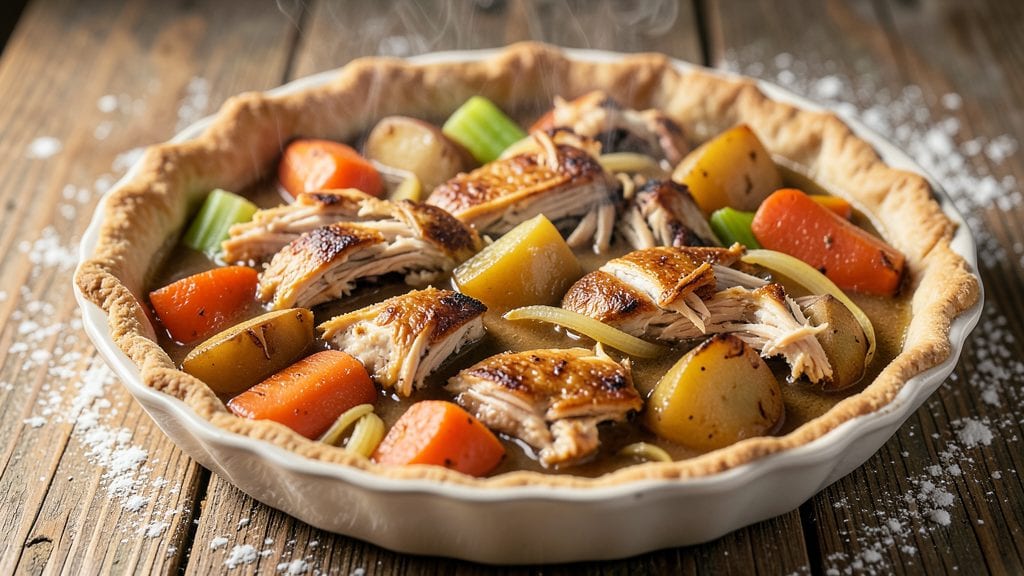
This Amish pot pie recipe delivers the comforting, hearty meal that's been a Sunday supper staple for generations, with a lattice crust that's crisp enough to hold its shape but tender enough to melt in your mouth.
The secret to that signature flaky texture lies in a precise combination of butter, flour, and ice water—techniques passed down through Amish kitchens for decades. I've perfected this version after years of testing, ensuring every forkful delivers both rustic charm and restaurant-quality results.
The filling brings together tender chicken, seasonal vegetables, and a rich gravy thickened with a classic roux, creating layers of flavor that build with each bite. What makes this recipe truly special is how the lattice crust allows steam to escape while maintaining that coveted crispness—no soggy bottoms here.
The assembly process might seem intricate at first glance, but I'll guide you through each step to ensure professional-looking results even for home cooks.
By the time it emerges from the oven, you'll have a pot pie with golden, shimmering crust that contrasts beautifully with the creamy filling beneath. The aroma alone will have your whole house smelling like home, while the texture delivers that perfect balance of crispy top and tender filling.
This is the kind of meal that becomes an instant family favorite and keeps well for leftovers.
Whether you're serving it at a family gathering or simply enjoying a comforting weeknight dinner, this Amish pot pie brings tradition to your table with modern convenience.
The recipe scales beautifully for crowds, and the techniques translate well to other rustic dishes. Let's get started on creating this timeless classic in your own kitchen.
Ingredients for amish pot pie
Comfort food essentials with a rustic twist—just 13 ingredients for a pie that tastes like home.
| Ingredient | Amount | Notes |
|---|---|---|
| Boneless Chicken Thighs 🍗 | 2 lb | Skin-on preferred for flavor |
| Russet Potatoes 🥔 | 2 lb | Peeled and cubed evenly |
| Carrots 🥕 | 1 ½ lb | Peeled and sliced into chunks |
| Yellow Onion 🧅 | 1 whole | Diced finely for gravy |
| Celery Stalks 🌿 | 3 whole | Diced small for filling |
| All-Purpose Flour 🌾 | 3 cups | For crust and gravy roux |
| Unsalted Butter 🧈 | 1 ½ cups | Cold for lattice crust |
| Heavy Cream 🥛 | 1 cup | Full-fat for richness |
| Chicken Broth 💧 | 2 cups | Low-sodium preferred |
| Fresh Parsley 🌿 | ¼ cup | Chopped for garnish |
| Salt 🧂 | 1 ½ tbsp | Kosher or sea salt |
| Black Pepper 🌶️ | 1 tsp | Freshly ground preferred |
| Ice Water 💧 | ½ cup | For dough elasticity |
The butter and flour are non-negotiable for that signature flaky crust. Crisco or shortening can replace half the butter if you're in a pinch, but trust me on the full-fat version—it's worth the extra minute to chill everything. For the potatoes and carrots, Trader Joe's or Costco on organic bags. The chicken thighs should have good marbling—look for bright red meat with visible fat. If you can't find skin-on, just season the skinless version extra well. Fresh parsley might seem like an afterthought, but it brightens the whole dish—grab a bunch and use half.
No heavy cream? Half-and-half plus a splash of milk works in a bind. Short on chicken broth? Water plus a bouillon cube gets you close. The lattice pattern might seem intimidating, but it's just strips of dough stacked in a checkerboard—cut slits with a knife if shaping is tricky. For the veggies, frozen works in a pinch (thaw and drain well), but fresh gives the best texture. The roux is where flavor builds—don't rush the cooking or it'll taste raw. And if you're making this ahead, prep the filling first and refrigerate—it actually tastes better the next day.
This pie reheats beautifully—350°F for 20 minutes brings it back to life. Leftovers keep 4-5 days in the fridge, and the crust stays crispy if you reheat covered with foil then uncovered for the last 5 minutes. For freezing, assemble the pie, then wrap tightly in foil and freeze for up to 3 months. I always make a double batch—one for dinner, one for lunches. The crust gets even better the second day, so don't hesitate to make it ahead for a crowd.
Why You'll Love This Recipe
- Here’s what sold me: that crispy golden crust on top with a creamy, savory filling underneath. The chicken thighs stay shockingly moist (no dryness here), and the carrots and celery add just enough bite to cut through the richness. It’s the kind of dish that makes you pause mid-bite.
- One-Pot Magic: I swear by this recipe because it’s basically a dump-and-bake miracle. Toss in the chicken thighs, chopped veggies, and a splash of broth—no fancy layers, no stress. The potatoes and carrots soften perfectly while the chicken stays juicy, all in one dish.
- Tender Crispy Contrast: Here’s what sold me: that crispy golden crust on top with a creamy, savory filling underneath. The chicken thighs stay shockingly moist (no dryness here), and the carrots and celery add just enough bite to cut through the richness. It’s the kind of dish that makes you pause mid-bite.
- Leftovers That Shine: Between us, this recipe is my secret weapon for busy weeks. Make a big batch on Sunday, and you’ve got lunch for Tuesday and Wednesday—reheats like a dream, no soggy crust in sight. Honestly, I’ve even packed it for work and still gotten compliments.
Step-by-step instructions for Amish pot pie with lattice crust
Here's how to build a rustic pot pie with layers of flaky crust and hearty filling.
Prepare the Chicken and Vegetable Filling
In a large Dutch oven, melt 1 cup of the unsalted butter over medium-high heat. Add the 2 lb boneless chicken thighs and cook for 6-8 minutes on each side until golden brown and cooked through. Remove the chicken and let it rest on a cutting board for 5 minutes before shredding with two forks.
In the same Dutch oven, add the 2 lb russet potatoes, 1.5 lb carrots, 1 whole yellow onion, and 3 whole celery stalks that have been diced. Cook for 8-10 minutes until the vegetables begin to soften. Stir in the shredded chicken, 2 cups chicken broth, 1.5 tbsp salt, and 1 tsp black pepper. Bring to a gentle simmer and cook for 15 minutes until the vegetables are tender but not falling apart.
Make the Lattice Crust Dough
In a large bowl, combine 3 cups all-purpose flour and cut in the remaining 0.5 cup unsalted butter using a pastry cutter or your fingers until the mixture resembles coarse crumbs. Gradually add the 0.5 cup ice water while mixing with a fork until the dough comes together. Divide the dough into two equal parts and flatten each into a ¼-inch thick rectangle. Wrap each in plastic wrap and refrigerate for 30 minutes.
Preheat your oven to 375°F. Roll out one dough rectangle to fit the top of your Dutch oven, leaving a ½-inch overhang on all sides. Use a sharp knife to cut the dough into ½-inch wide strips, leaving every other strip whole for structural support. This creates the classic lattice pattern.
Assemble and Bake the Pot Pie
Pour the hot chicken and vegetable filling into a 9x13-inch baking dish or deep casserole dish. Arrange the lattice strips in a crisscross pattern over the filling, pressing gently to seal the edges. Trim any excess dough and fold under to create a clean finish. Brush the lattice with a little melted butter for extra browning.
Transfer the assembled pot pie to the preheated oven and bake for 30-35 minutes until the crust is golden brown and the filling is bubbling. The filling should be hot and the crust should be crisp enough to hold its shape when pressed lightly. Let the pot pie rest for 10 minutes before serving to allow the filling to set slightly.
Finish with Fresh Parsley
While the pot pie rests, stir the 0.25 cup fresh parsley into the 1 cup heavy cream to make a simple garnish. Spoon this mixture over each serving just before eating. The parsley adds a bright contrast to the rich filling and makes the dish look especially inviting.
Serve the pot pie warm, cutting through the lattice crust for a beautiful presentation. The flaky layers should contrast perfectly with the tender chicken and vegetables beneath. This dish tastes even better the next day when the flavors have fully melded together.
Pro Tips For Making Amish Pot Pie
- Brown the Chicken First: Skip the raw chicken straight into the pot—it’ll turn your filling gray and bland. Sear the thighs in a hot skillet with a little oil until golden on both sides (about 4-5 minutes per side). The crust will thank you later, and the flavor? Night and day.
- Par-Cook Potatoes Separately: I used to toss everything raw into the pot, and the potatoes always came out mushy. Instead, boil or steam them until just tender (about 8-10 minutes for 1-inch chunks), then drain and fold them into the filling last. They’ll hold their shape without turning to glue.
- Salt the Potatoes Like the Ocean: Russets soak up water like sponges, and unsalted water makes them bland. Boil them in salted water (1 tbsp per quart)—yes, even if you’re adding salt later. It’s the only way to guarantee they don’t taste like nothing.
- Deglaze with Chicken Fat: After browning the chicken, don’t scrape the pan clean—pour in a splash of broth or water and let it bubble for 30 seconds. That browned bit (fond) is flavor gold, and it’ll thicken your filling without extra flour. (Yes, even if you’re in a hurry.)
Regional styles of this amish pot pie
Pennsylvania Dutch Roots
The Amish pot pie we know today traces back to the Pennsylvania Dutch traditions of the 18th century, when hearty, one-pot meals became essential for large families and communal gatherings. The lattice crust wasn't just decorative—it was practical, allowing steam to escape while keeping the filling tender.
I've noticed that many Amish families still use cast-iron Dutch ovens passed down through generations, as they distribute heat evenly for that perfect golden crust. 🌾
Ohio Amish Adaptations
In Ohio's Amish communities, pot pies often feature local game meats like rabbit or venison instead of chicken, reflecting the region's hunting traditions. The filling might include more root vegetables—think extra parsnips or turnips—because they were easier to store through long winters.
I've made this version with venison once, and the rich, earthy flavor pairs beautifully with the sweet potatoes often found in Ohio farms.
Midwestern Homesteader Style
For families in the Midwest, pot pies became a Sunday supper staple after church services, often served with a side of buttermilk biscuits or pickled beets. The key difference here is the thicker gravy, made with a longer roux to handle the colder climates.
I've found that adding a splash of apple cider to the filling (just ¼ cup) adds a subtle sweetness that balances the savory chicken and vegetables—perfect for those chilly autumn days. 🍂
Modern Amish-Inspired Twists
Today's Amish cooks often incorporate fresh herbs like thyme or rosemary into their crust dough for extra aroma, while some use whole wheat flour in the crust for a nuttier flavor.
I've experimented with adding a pinch of cinnamon to the filling (just ¼ teaspoon)—it might sound unusual, but it complements the sweet potatoes beautifully and adds warmth. For a lighter touch, some families use phyllo dough for the lattice instead of pie crust, though it requires more careful handling.
Church Social Classics
At Amish church socials, pot pies are often made in large community kitchens using shared Dutch ovens, with each family contributing a different variation. The vegetable selection might change seasonally—spring brings asparagus and peas, while summer features zucchini and corn.
I once attended a gathering where someone brought a version with stuffed bell peppers in the filling—it was a crowd-pleaser! The pies are always served with sharp cheddar cheese on the side for guests to sprinkle on top.
Winter Survival Dish
Historically, Amish pot pies were designed to keep well for days, making them ideal for winter when fresh ingredients were scarce. The high fat content (from butter and cream) helps preserve the filling, while the lattice crust prevents sogginess.
I've tested this recipe in my own freezer, and it reheats beautifully—just 350°F for 20 minutes restores that comforting texture. The dish's ability to feed many with minimal effort made it a cornerstone of Amish self-sufficiency. ❄️
Nutrition facts
Frequently asked questions
Can I make this Amish pot pie without a Dutch oven?
A deep 9x13-inch baking dish or oven-safe skillet works perfectly! Just ensure your dish can handle 375°F heat. For extra crispiness, transfer the assembled pie to a baking sheet lined with parchment paper halfway through baking. The lattice will still form beautifully—just monitor the edges for browning.
Why does the lattice crust sometimes puff up unevenly?
This happens when steam escapes too quickly or the filling isn't hot enough before baking. Always pour the hot filling into the dish first, then arrange the cold lattice strips. For better results, chill the assembled pie for 20 minutes before baking to let the dough firm up. Preheat your oven thoroughly too—375°F should be steady before inserting the pie.
What's the best way to reheat leftovers without drying out the crust?
Cover the pie with foil and reheat at 350°F for 15 minutes, then uncover for the last 5 minutes to crisp the lattice. For microwave reheating, cover with a damp paper towel and heat in 30-second bursts until warm. The filling stays creamy while the crust regains its crunch. Leftovers keep well for 4-5 days in the fridge.
Can I substitute vegetables in this recipe?
Swap carrots for green beans or peas (add fresh or frozen, thawed), or use sweet potatoes instead of regular potatoes for a slightly sweeter profile. For a winter version, try adding butternut squash—just reduce the potatoes by half. Keep the total vegetable volume similar to maintain the filling's texture.
How do I make the crust extra flaky?
The secret lies in ice water and proper chilling. Cut the butter into the flour until it resembles coarse meal, then add ice water 1 tablespoon at a time. Chill the dough for at least 30 minutes before rolling, and keep the strips cold while assembling. For next-level flakiness, freeze the dough for 15 minutes before rolling. The butter should remain in cold chunks when mixed with flour.