
Desserts
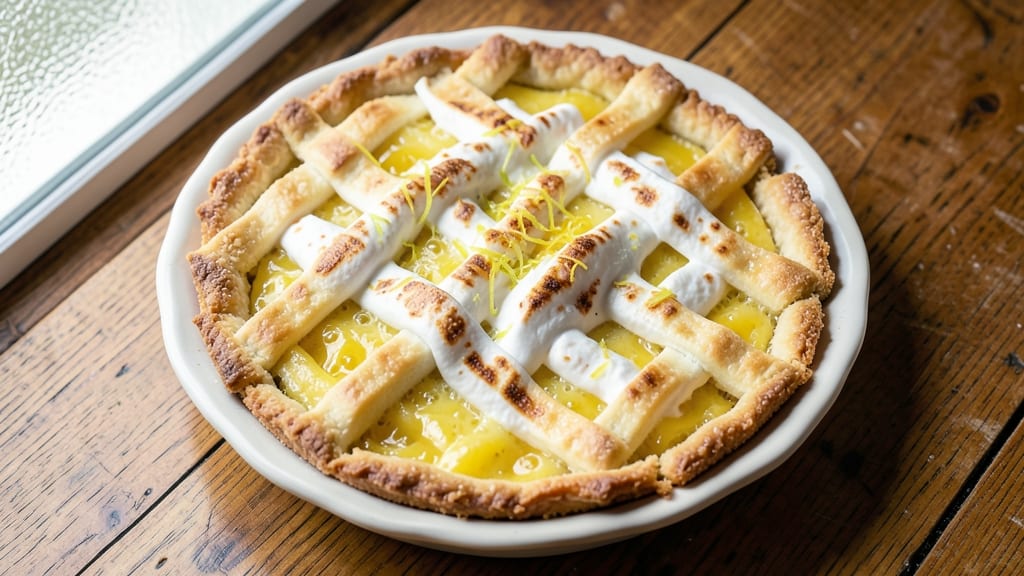
This Amish lemon sponge pie recipe delivers the perfect balance of tender, buttery crust and bright, tangy lemon filling that’s light enough to feel summery yet rich enough to satisfy. The secret lies in hand-whisked batter and a lattice top that creates delicate, golden patterns while keeping the filling moist.
I’ve perfected this version over years of testing—no shortcuts, just traditional techniques that result in a pie so light it practically melts in your mouth.
The buttery lattice crust is the star here, made with just flour, sugar, and cold butter cut into small pieces for maximum flakiness. This isn’t your average pie crust—it’s a delicate, almost crisp lattice that lets the lemon filling shine while adding visual appeal.
The filling itself is where the magic happens: a simple sponge of eggs, sugar, and lemon juice that bakes into a cloud-like texture, never soggy or overly sweet.
What makes this recipe truly special is the harmony of textures—the crisp lattice, the tender sponge, and the zesty lemon curd that ties it all together.
Every bite offers a perfect contrast: the buttery richness of the crust, the airy lightness of the sponge, and the bright, citrusy tang that cuts through it all. This pie isn’t just dessert; it’s a showstopper that will have everyone asking for seconds.
Best of all, this recipe is vegetarian-friendly and requires no artificial additives—just simple, wholesome ingredients and a little patience. The lattice design might look intimidating, but it’s easier than it appears, and the results are worth every minute. Let’s get baking!
Ingredients for amish lemon sponge pie
Sixteen ingredients transform into a pie so light it practically melts in your mouth.
| Ingredient | Amount | Notes |
|---|---|---|
| All-Purpose Flour 🌾 | 3 cups | Sifted for flaky crust |
| Unsalted Butter 🧈 | 1 cup | Cold, cubed into small pieces |
| Granulated Sugar 🍚 | ½ cup | Plus 2 tbsp for lattice |
| Large Eggs 🥚 | 4 whole | Room temperature for best results |
| Fresh Lemon Juice 🍋 | 1 cup | From 4-6 lemons, freshly squeezed |
| Granulated Sugar (for filling) 🍚 | 1 ½ cups | Divided for sponge and curd |
| Heavy Cream 🥛 | ½ cup | For lemon curd richness |
| Vanilla Extract 🌸 | 1 tsp | Pure vanilla for authentic flavor |
| Salt 🧂 | ½ tsp | Fine sea salt preferred |
| Lemon Zest 🍋 | 1 tbsp | Freshly grated, vibrant color |
| Cornstarch 🌾 | 2 tbsp | For filling stability |
| Powdered Sugar 🍚 | ¼ cup | For dusting lattice top |
The butter makes or breaks this lattice crust—European-style unsalted butter like Plugrá or Land O'Lakes gives the best flakiness. Grab it from the dairy case, not the baking aisle, and let it sit at room temp for 30 minutes before cutting into small cubes (pea-sized, not chunks). The flour? King Arthur or Gold Medal are my go-tos—they bake up lighter than store brands. And that lemon juice? Freshly squeezed from Meyer lemons if you can find them, but regular lemons work too. Just don't cut corners on the zest—it's what gives that bright, citrusy pop.
No European butter? Crisco or vegetable shortening works in a pinch for the crust, though it won't be as flaky. Running short on lemons? Bottled lemon juice with a pinch of citric acid gets you close, but add an extra tablespoon of sugar to balance the tartness. The cornstarch is non-negotiable for the filling—it keeps the sponge from getting gummy. Arrowroot powder works too, but cornstarch is what Amish cooks traditionally use. And if you're worried about the lattice looking too intimidating, cut strips of parchment paper first to trace the pattern—it's foolproof.
This pie tastes even better the next day—3 days max in the fridge, covered loosely. The lattice stays crisp, while the filling keeps its cloud-like texture. For make-ahead magic, bake the crust and filling separately, then assemble just before serving. The lemon curd layer? Freeze in ice cube trays for single-serving portions—perfect for toast or pancakes. And if you've got leftovers, warm slices in the oven for 5 minutes to revive the crust's crispness.
Why You'll Love This Recipe
- No-Fuss Crust: I swear, this sponge pie starts with just flour, butter, and sugar—no fancy rolling or pie crust fuss. You mix, fold, and bake. That’s it. Even if you burn the first one (we’ve all been there), the second attempt is foolproof.
- Zesty Brightness: The lemon juice cuts through the buttery richness like a cool breeze on a summer day. Freshly squeezed, it’s tangy without being sour—just enough to make your taste buds perk up. Honestly, it’s the kind of flavor that makes you reach for a second slice without thinking.
- Weekend or Weeknight: This pie is my go-to for brunch, potlucks, or even a lazy Sunday afternoon. The sponge holds up well, so it’s great for meal prep—just reheat slices in the oven for that same fresh-baked magic. (Yes, even on a Tuesday night.)
- Budget-Friendly Luxury: You’re using pantry staples here—flour, butter, sugar, eggs—plus a few lemons. The cost per serving is laughably low, but it tastes like you spent hours on it. Leftovers? They disappear fast, so you’ll be making this again before you know it.
Step-by-step instructions for Amish lemon sponge pie
Here's how to create that perfect balance of tender sponge and tangy lemon filling.
Prepare the Sponge Dough
In a large mixing bowl, combine the 3 cups all-purpose flour and 0.5 cup granulated sugar. Sift the flour first to eliminate lumps and ensure a light, flaky crust. Cut in the 1 cup cold unsalted butter using a pastry cutter or your fingers until the mixture resembles coarse crumbs with pea-sized butter pieces.
Add the 4 whole large eggs one at a time, mixing just until each is incorporated. Avoid overmixing—this keeps the sponge tender. The dough should come together into a soft, slightly sticky ball. If it's too dry, add 1-2 teaspoons of ice water to help bind it. Shape the dough into a disk, wrap in plastic, and refrigerate for at least 1 hour to firm up.
Make the Lemon Filling
In a medium saucepan, whisk together the 1 cup fresh lemon juice, 0.75 cup granulated sugar (from the 1.5 cups total), 0.5 cup heavy cream, 1 teaspoon vanilla extract, 0.5 teaspoon salt, and 1 tablespoon lemon zest. Bring the mixture to a gentle boil over medium heat, stirring constantly to dissolve the sugar.
Reduce heat to low and let it simmer for 5-7 minutes until the mixture thickens enough to coat the back of a spoon. Remove from heat and stir in the 2 tablespoons cornstarch mixed with the remaining 0.75 cup granulated sugar to prevent lumps. Return to low heat for 1-2 minutes until fully thickened. Spread the filling evenly into a 9-inch pie dish and let it cool completely.
Roll and Assemble the Crust
Preheat your oven to 375°F. On a lightly floured surface, roll out half of the chilled dough to a 12-inch circle—about 1/8-inch thick. Carefully transfer it to the pie dish, draping it over the edge. Trim excess dough, leaving a 1-inch overhang. Sprinkle the edge with 2 tablespoons granulated sugar (from the original 0.5 cup) for extra browning.
Roll out the remaining dough into a 12-inch square. Using a sharp knife or pizza cutter, make 1-inch wide strips across the square. Lift every other strip and fold it back to create the lattice pattern. Weave the strips over and under each other, leaving the center open. Brush the lattice with egg wash (1 egg beaten with 1 tablespoon water) for a golden finish.
Bake to Golden Perfection
Place the pie on a baking sheet (to catch any drips) and bake for 45-50 minutes until the crust is deep golden brown and the filling is bubbling gently. If the lattice browns too quickly, tent loosely with foil. The pie is done when the filling is set but still slightly jiggly in the center.
Remove from the oven and let it cool for 2 hours before slicing. This resting time allows the filling to fully set and the flavors to meld. Dust the lattice with 0.25 cup powdered sugar just before serving for that classic Amish touch. Each slice should reveal a tender sponge, vibrant lemon curd, and a crisp lattice top.
Pro Tips For Making Amish Lemon Sponge Pie
- Chill the Dough: DESCRIPTION: This isn’t just a suggestion—it’s the thing that matters most. After mixing the butter and flour, let the dough rest in the fridge for at least 30 minutes. I used to skip this, and my crusts came out greasy and dense. Cold butter creates flaky layers, and the dough handles better when rolling.
- Use Cold Eggs: DESCRIPTION: Reach for eggs straight from the fridge—they whip up lighter and hold more air. I learned this the hard way after using room-temperature eggs and ending up with a sponge that was more cake than tender. Cold eggs also prevent curdling when folding in lemon juice later.
- Don’t Overmix the Batter: DESCRIPTION: Stop mixing the lemon sponge batter as soon as it’s just combined—no streaks of flour, no dry bits. Overmixing develops gluten, and you’ll end up with a tough, chewy texture instead of that signature light, airy crumb. Fold in the lemon juice gently by hand after mixing.
- Bake Until Golden: DESCRIPTION: Skip the "lightly browned" rule—this pie needs a deep, even golden color for that classic Amish finish. I used to pull mine out too soon, and the top stayed pale and bland. Bake until the edges are set and the center springs back when pressed (about 10–15 minutes past the recipe’s time), then broil for 1–2 minutes if needed.
Serving suggestions for leftovers
Classic Serving Style
Serve this Amish lemon sponge pie straight from the fridge on a chilled glass plate with a gold-rimmed pie server for that old-fashioned touch. The contrast between the cool pie and warm room temperature makes every bite feel extra refreshing.
I like to pair it with thick slices of homemade buttermilk biscuits on the side—they soak up the lemon curd beautifully while adding a buttery complement. 🍋
Creamy Complements
For an extra-special presentation, dollop whipped cream or vanilla bean ice cream alongside each slice. The creaminess balances the tart lemon filling perfectly. I often make a quick lemon curd drizzle by thinning store-bought curd with a splash of heavy cream and piping it artistically over the pie.
A sprinkle of toasted coconut flakes adds crunch and a tropical vibe.
Beverage Pairings
This pie shines with iced tea—either classic sweet tea or a fruity peach iced tea to enhance the citrus notes. For something stronger, a light bourbon lemonade (mix 1 oz bourbon, ½ cup lemon juice, and soda water) cuts through the richness.
Coffee lovers will adore it with a strong black coffee or chai latte—the warmth of the spices contrasts wonderfully with the cool pie. ☕
Make-Ahead Magic
This pie tastes even better the next day, so bake it ahead for gatherings. Store leftovers in an airtight container in the fridge for up to 3 days. To revive the crust, warm slices in a 350°F oven for 5 minutes before serving.
For a freezer-friendly option, wrap individual slices in parchment paper and freeze for up to 2 months. Thaw overnight in the fridge before serving.
Seasonal Variations
In summer, add fresh berries like raspberries or blueberries to the filling for a mixed berry-lemon twist. For fall, swap the lemon zest for orange zest and add a pinch of cinnamon to the filling.
A winter version with gingersnap crumbles on top adds warmth and texture—perfect for holiday gatherings. 🍂
Presentation Tips
For a rustic look, serve the pie on a wooden board with fresh mint sprigs scattered around. Use gold leaf flakes (available at craft stores) to add a luxurious touch to the lattice.
If you’re feeling fancy, arrange slices on a tiered stand with edible flowers like violets or nasturtiums. The key is to highlight the pie’s golden lattice and vibrant lemon filling—let it be the star! ✨
Nutrition facts
Frequently asked questions
Why does the Amish lemon sponge pie have a lattice crust instead of a solid top?
The lattice design serves two purposes: it creates a beautiful visual pattern while allowing air to circulate, keeping the lemon filling perfectly moist. Traditional Amish baking favors this style because it prevents sogginess in fruit pies and showcases the pie's golden, buttery layers. Plus, it's easier to cut than a solid crust!
Can I make this pie without a food processor or mixer?
This recipe is designed to be made by hand using traditional techniques. The dough only needs to be mixed until it comes together—no overworking required. For the filling, whisk everything by hand or use a wooden spoon to stir constantly while heating. The cornstarch will thicken it beautifully without needing a blender.
What's the secret to getting that perfect golden lattice color?
Brush the lattice strips with egg wash (1 egg + 1 tbsp water) right before baking, then sprinkle with powdered sugar. The egg wash creates a golden finish, while the sugar caramelizes for extra browning. Bake at 375°F for 45-50 minutes—if it browns too quickly, tent with foil to prevent burning while keeping the center tender.
How do I fix a pie that's too tart or not sweet enough?
If your pie tastes too tart, stir in 1-2 extra tablespoons of sugar while the filling is still warm (before it thickens). For a sweeter version, increase the sugar by 2 tablespoons total when making the filling. The key is balance—this recipe's tang comes from fresh lemon juice, so using bottled juice (which is often sweeter) will automatically reduce tartness.
Can I substitute butter in the crust for something else?
For the flakiest crust, stick with cold butter—but if you're short on time, use vegetable shortening or Crisco for a similar texture. However, the flavor won't be as rich. For a dairy-free option, try coconut oil (solid) or apricot jam (1 tbsp per cup of butter) for moisture, though the crust may be slightly softer.