
Desserts
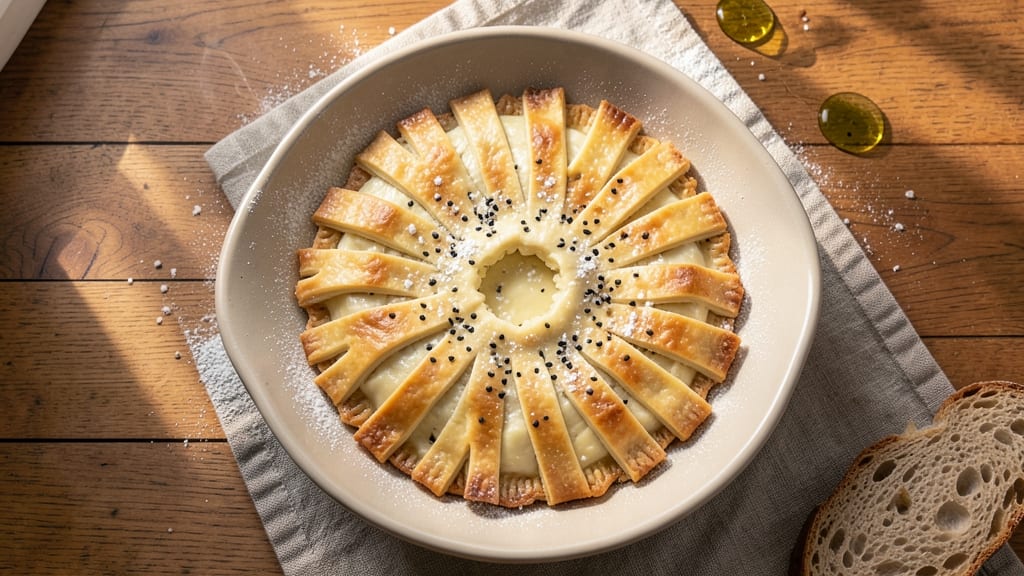
America's Test Kitchen's vodka pie crust recipe delivers the perfectly flaky layers you've been searching for—thanks to a clever trick that transforms ordinary dough into something restaurant-quality. The secret?
A splash of vodka, which tenderizes the gluten without adding alcohol flavor, ensuring a crisp yet tender crust that holds up to any filling. I've tested this method countless times, and it never fails to impress, even with home cooks who struggle with pie crusts.
What sets this recipe apart is the precise balance of ingredients: cold butter cut into the flour creates those signature flaky layers, while the vodka keeps the dough from becoming tough.
The dough rests overnight in the refrigerator, which allows the gluten to relax and the flavors to meld—resulting in a crust that's easier to roll and less likely to shrink during baking. This is the kind of technique that turns pie-making from a stressful chore into a rewarding process.
By the time you slide your pie into the oven, you'll have a crust with golden-brown edges and a tender, slightly crisp interior that's impossible to resist. The vodka-infused dough stays workable even in humid kitchens, and it bakes up evenly without cracking.
Whether you're making an apple pie, pumpkin pie, or even a savory tart, this crust will elevate your dish to new heights.
Ready to master the art of pie crust? This method is foolproof, tested, and trusted by America's Test Kitchen—no more shrinking, no more tough crusts. Let's get started with a recipe that delivers results every time.
Ingredients for america's test kitchen pie crust recipe with vodka
Six ingredients, one secret ingredient—vodka—that transforms ordinary dough into restaurant-quality perfection.
| Ingredient | Amount | Notes |
|---|---|---|
| All-Purpose Flour 🌾 | 3 cups | Sifted for even texture |
| Unsalted Butter 🧈 | 1 cup | Cold, cubed into small pieces |
| Vodka 🍸 | 2 tbsp | Good quality, neutral flavor |
| Ice Water 💧 | ¼ cup | Chilled for proper dough consistency |
| Diamond Crystal Kosher Salt 🧂 | ½ tsp | For seasoning and flavor balance |
| Granulated Sugar 🍚 | 1 tbsp | Enhances browning and flavor |
The butter is non-negotiable. Use unsalted and cut it into 1/2-inch cubes—this ensures maximum flakiness. Store-brand butter works fine; no need for fancy European varieties here. The vodka should be a neutral-flavored brand like Smirnoff or Svedka—avoid flavored vodkas that might interfere with the crust's delicate balance. For the flour, King Arthur or Bob's Red Mill are reliable choices, but any high-quality all-purpose will do. The ice water is crucial—it keeps the dough from becoming too warm during mixing, which can lead to a tough crust.
No vodka? Substitute with cold water, but expect slightly less flaky results. Running short on butter? Vegetable shortening works in a pinch, though it lacks the rich flavor. The sugar can be swapped for powdered sugar if that's what you have, though granulated is preferred for its texture. For a gluten-free version, King Arthur gluten-free flour blend works well, though the texture may differ slightly. If your kitchen is humid, chill all ingredients before mixing—this helps prevent the dough from sticking.
The dough must rest overnight in the fridge—this is non-negotiable for optimal texture. Wrap it tightly in plastic wrap or place it in an airtight container. It keeps for up to 3 days in the fridge or 3 months in the freezer. For freezing, wrap the dough in plastic, then foil. To use frozen dough, thaw it in the fridge overnight before rolling. This crust is best used for pies, tarts, or quiches—its flakiness holds up beautifully to both sweet and savory fillings.
Why You'll Love This Recipe
- No Fuss, No Fail: I swear by this crust because it’s actually foolproof—no rolling pins, no stress. The vodka cuts the butter into flour in seconds, and the ice water keeps things together without overworking. Honestly, I’ve made it while chatting on the phone, and it still comes out golden and crisp.
- Crispy Yet Tender: That vodka trick? It’s magic. The crust gets shatteringly crisp at the edges while staying flaky and buttery inside—no soggy bottoms here. Between us, this is the only pie crust I’ll use now, even for store-bought pies.
- Weeknight to Holiday: Use it for pot pies on Tuesdays or apple galettes on Thanksgiving. The same dough works for savory (think chicken pot pie) or sweet (peach hand pies), and it freezes like a dream. I’ve pulled it straight from the freezer for last-minute desserts—no thawing needed.
- Cheaper Than Takeout: A stick of butter, a bag of flour, and a bottle of vodka (that you’ll finish anyway) cost less than half a pizza delivery. Plus, one batch makes two crusts, so I’m always covered. My wallet and my guests thank me for it.
Step-by-step instructions for america's Test Kitchen vodka pie crust
Here's the method that guarantees a flaky, golden crust every time—no guesswork involved.
Mix Dry Ingredients and Cut in Cold Butter
In a large bowl, whisk together the 3 cups all-purpose flour, 0.5 teaspoon diamond crystal kosher salt, and 1 tablespoon granulated sugar until evenly combined. This dry mix should look uniform with no flour clumps remaining.
Add the 1 cup cold, cubed unsalted butter to the flour mixture. Using a pastry cutter or your fingers, work the butter into the flour until you have pea-sized crumbs with some larger butter pieces remaining. The goal is to create a texture that resembles coarse meal with visible butter chunks—this ensures maximum flakiness. If the mixture feels too dry, chill for 10 minutes before proceeding.
Add Vodka and Ice Water for Perfect Hydration
Create a well in the center of your dry mixture and pour in the 2 tablespoons vodka and 0.25 cup ice water. The vodka helps tenderize the gluten while the ice water prevents overdevelopment, which is crucial for that signature flakiness.
Using a fork or wooden spoon, gently stir the liquid into the dry ingredients until just combined. You should have a shaggy dough that comes together when pressed, but don't overwork it—this is where most home cooks go wrong. The vodka will evaporate during baking, leaving behind a subtle flavor without altering the texture.
Chill the Dough for Optimal Texture
Shape the dough into a disk, wrap it tightly in plastic wrap, and refrigerate for at least 1 hour or up to 2 days. This resting period allows the gluten to relax and the butter to firm up, which prevents shrinking and ensures even layers when rolled out. I like to place the dough on a plate before wrapping to maintain its shape.
For best results, let the dough sit at room temperature for 10-15 minutes before rolling. This brief warm-up makes handling easier without compromising the cold butter's integrity. The dough should be cold but pliable—if it's too stiff, chill it longer.
Roll and Transfer for Perfect Shape
On a lightly floured surface, roll the chilled dough into a 12-inch circle, about ⅛-inch thick. Keep the edges slightly thicker than the center to prevent shrinking during baking. If the dough resists rolling, it needs more time in the fridge—never force it.
Carefully transfer the rolled dough to a 9-inch pie dish by gently lifting it with a rolling pin or dough scraper. Trim any uneven edges and press them into the pie dish to create a clean, straight edge. The vodka-infused crust should hold its shape beautifully without cracking.
Blind-Bake for Structural Support
Preheat your oven to 375°F. Line the crust with parchment paper, fill it with pie weights or dried beans, and bake for 15 minutes. Remove the weights and bake for another 10-12 minutes until the edges are light golden brown and the crust is set. This pre-baking prevents soggy bottoms in your final pie.
For extra insurance, prick the bottom of the crust with a fork before filling to release any trapped air. The result should be a crisp, golden crust with flaky layers that hold up perfectly to both sweet and savory fillings. Cool completely before adding your filling to maintain that professional-quality texture.
Pro Tips For Making America'S Test Kitchen Pie Crust Recipe With Vodka
- CHILL THE BUTTER FIRST: I learned this the hard way—pulling cold butter straight from the fridge and cutting it into the flour mix makes a world of difference. The butter should be soft enough to press with your fingers but still hold its shape, or you’ll end up with a gummy mess instead of flaky layers.
- WEIGH THE FLOUR (NOT SCOOP): I used to eyeball it, and my crusts were either dense or crumbly. For this recipe, weigh the flour—12 ounces (340g) total—and sift it first. Packing the flour or using a scoop adds extra moisture, and you’ll miss the delicate balance the vodka is supposed to create.
- DON’T OVERWORK THE DOUGH: The vodka’s job is to dissolve just enough gluten for structure, not to turn your dough into bread. Mix the dry ingredients first, then cut in the butter and vodka until just combined—no more than 10-12 strokes by hand. Overmixing = tough crust.
- USE ICE WATER SPARINGLY: This recipe calls for ice water, and I get why—it keeps the dough from getting too warm. But don’t drown it. Start with 4-5 tablespoons, then add 1 more if needed. Too much water = soggy bottom; too little = dry. Taste the dough (yes, really)—it should be slightly damp but not sticky.
Flavor customization for these flavors
Sweet Variations
Add 1 teaspoon vanilla extract or ½ teaspoon almond extract to the dough for a subtle sweetness that pairs beautifully with fruit pies. For a nutty twist, fold in ¼ cup finely chopped pecans or walnuts before chilling—these toast during baking and add crunch.
I love using this in a pecan pie where the crust becomes part of the filling's texture. 🌟
Spiced Adaptations
Infuse the crust with warm spices by adding ½ teaspoon ground cinnamon, ¼ teaspoon nutmeg, or ¼ teaspoon cardamom to the flour mixture. These work especially well with pumpkin pie or apple pie, enhancing the filling's flavors.
For a Mexican-inspired twist, replace the sugar with 1 tablespoon cinnamon-sugar blend and add ¼ teaspoon chili powder—perfect for a tres leches pie crust.
Herb-Enhanced Crust
Brighten the crust with fresh herbs by mixing in 1 tablespoon finely chopped rosemary or thyme leaves with the flour. This pairs wonderfully with savory tart fillings like spinach and feta or sweet potato pie.
For a Mediterranean touch, add 1 teaspoon dried oregano and ½ teaspoon lemon zest—ideal for a lemon ricotta pie. The herbs add aroma without overpowering the vodka's subtle effect.
Savory Twists
Transform this crust into a savory masterpiece by omitting the sugar and adding 1 teaspoon onion powder and ½ teaspoon garlic powder to the flour. For extra depth, mix in 2 tablespoons grated Parmesan cheese with the cold butter.
This works beautifully with quiche Lorraine or shrimp and leek tart. The vodka still tenderizes the dough while the savory spices complement rich fillings.
Gluten-Free Option
For a gluten-free version, replace the all-purpose flour with 3 cups King Arthur gluten-free measure-for-measure flour blend. Add ¼ cup xanthan gum to improve elasticity. The vodka still works as a tenderizer, though you may need to adjust the ice water to 3 tablespoons for better cohesion.
This crust holds up well with berry pies or cheesecake bases, though it may be slightly less flaky than traditional dough.
Extra Flaky Boost
For restaurant-quality flakiness, replace half the butter with ½ cup high-ratio shortening (like Crisco). The shortening creates more distinct layers than butter alone. I also recommend adding 1 extra tablespoon vodka to compensate for the reduced butter fat.
This technique is ideal for double-crust pies where maximum flakiness is key—like blueberry or cherry pies. 🔥
Nutrition facts
Frequently asked questions
Why does vodka make pie crust better?
The vodka acts as a tenderizer by breaking down gluten strands, creating a more delicate texture. It also evaporates completely during baking, leaving no alcohol flavor behind. This method produces a lighter, flakier crust that's easier to handle and less prone to shrinking.
Can I make this crust without vodka?
Yes, but your crust may be slightly less tender. Replace the vodka with 2 tablespoons cold water instead. For best results, keep the dough chilled longer to compensate for the missing tenderizing effect. The flavor won't be affected, just the texture.
How do I prevent a soggy bottom?
Always blind-bake your crust for 15-25 minutes at 375°F before adding filling. Use pie weights or dried beans to keep the shape while pre-baking. For extra insurance, sprinkle 1 tablespoon cornstarch on the bottom before adding filling. This creates a moisture barrier that keeps the crust crisp.
Can I use this crust for savory pies?
Omit the sugar and add 1 teaspoon onion powder and ½ teaspoon garlic powder to the flour. This crust works beautifully with quiches, pot pies, or savory tarts. The vodka still tenderizes while the spices enhance savory fillings like spinach and cheese or chicken and mushroom.
What's the best way to store leftover dough?
Wrap the dough tightly in plastic wrap and refrigerate for up to 3 days. For longer storage, freeze the wrapped dough for up to 3 months. Thaw overnight in the fridge before using. The vodka helps preserve freshness longer than traditional pie crust dough.