
Desserts
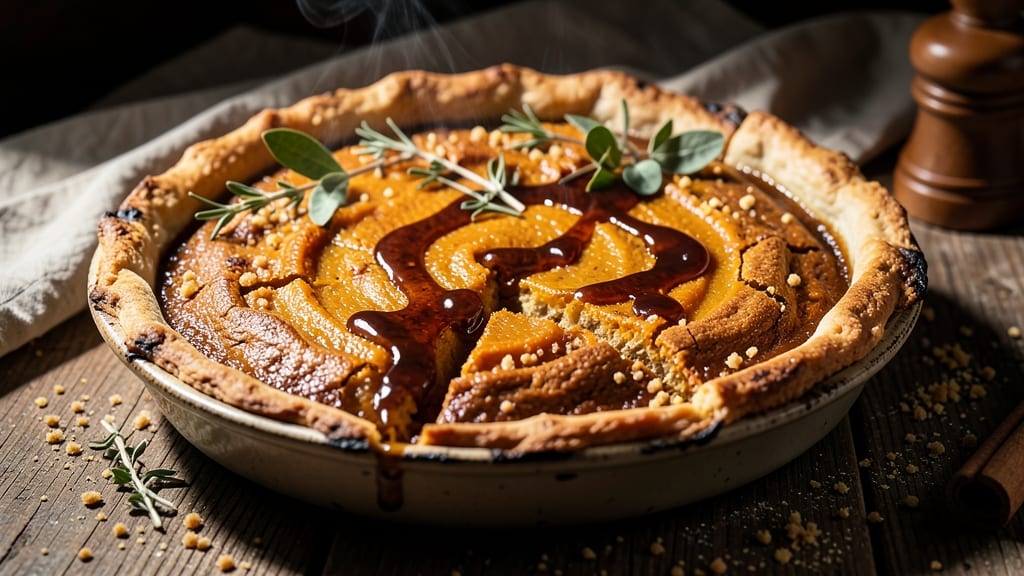
This 1600s-style pumpkin pie brings colonial kitchens to life with its rich, spiced flavors and rustic charm. 🌟 Unlike modern versions, this recipe relies on ingredients available in early America—molasses for sweetness, nutmeg and cinnamon for warmth, and a touch of spiced rum for depth.
The crust is simple, often made from flour, lard, and water, reflecting the resourcefulness of 17th-century cooks.
The pie’s signature taste comes from slow-cooked pumpkin purée, blended with molasses and a blend of spices like ginger and cloves. A splash of spiced rum not only enhances the flavor but also nods to the era’s love of fortified beverages.
The result is a dessert that’s hearty yet balanced, with a tender texture that’s far from the overly sweet pies of today.
Baking this pie requires patience—no rush ovens here. The filling simmers until thick and fragrant, while the crust stays crisp enough to hold its shape.
Serve it warm with a drizzle of honey or a dollop of whipped cream (if you’re feeling indulgent), just as colonists might have enjoyed it after a harvest feast.
Perfect for history enthusiasts or anyone craving a taste of the past, this recipe delivers authenticity without sacrificing modern convenience. Ready to step back in time? Let’s bake.
Ingredients for 1600s pumpkin pie
Sixteen ingredients for a pie that tastes like history—molasses, spiced rum, and rustic crust included.
| Ingredient | Amount | Notes |
|---|---|---|
| Fresh Pumpkin Purée 🎃 | 2 cups | Homemade from sugar pumpkins or canned unsweetened |
| Molasses 🍯 | ½ cup | Unsulphured for authentic flavor |
| Spiced Rum 🍹 | 2 tbsp | 17th-century style, like Captain Morgan |
| All-Purpose Flour 🌾 | 2 cups | For crust, sifted for lightness |
| Lard 🧈 | ½ cup | Rendered, chilled for crust |
| Cold Water 💧 | ¼ cup | Ice water for flaky crust |
| Ground Cinnamon 🌿 | 1 ½ tsp | Freshly ground preferred |
| Ground Nutmeg 🌿 | ½ tsp | Freshly grated nutmeg |
| Ground Ginger 🌶️ | ½ tsp | Freshly ground for warmth |
| Ground Cloves 🌶️ | ¼ tsp | Whole cloves crushed |
| Salt 🧂 | ½ tsp | Diamond Crystal kosher salt |
| Honey 🍯 | 1 tbsp | For drizzling, optional |
| Eggs 🥚 | 1 whole | For egg wash |
The pumpkin purée is the heart of this pie, so skip canned pumpkin pie filling—it's too sweet and processed. Fresh pumpkin from a sugar variety (like 'Sugar Pie' or 'Long Island Cheese') gives the best texture, but unsweetened canned pumpkin works in a pinch. For molasses, unsulphured is key—it has a deeper, more complex flavor. I grab mine at Whole Foods or the bulk section at Trader Joe's. The spiced rum adds depth, and Captain Morgan Original is the closest modern equivalent to what colonists might have used. If you can't find it, dark rum plus a pinch of cinnamon and cloves mimics the effect.
No lard? Coconut oil or vegetable shortening works for the crust, though it won't be as historically accurate. The crust relies on ice water for flakiness, so keep your water chilled. For the spices, whole spices are ideal—grind your own nutmeg and cloves for the best flavor. If you're using pre-ground, toast the spices lightly in a dry pan first to wake up their flavors. The honey drizzle is optional but adds that colonial touch—local raw honey is best if you want to get fancy. And yes, the egg wash is traditional—it gives the crust that golden sheen.
Store the crust separately in the fridge for up to 3 days before baking. The filling can be prepped a day ahead and refrigerated, but bake it fresh for the best texture. Once baked, this pie keeps for 5-6 days at room temperature (yes, really—colonial kitchens didn't have refrigerators!). For longer storage, freeze the whole pie for up to 3 months. Reheat slices in a 200°F oven for 10 minutes to restore that warm, spiced aroma. Serve with whipped cream if you're feeling indulgent, but the pie stands well on its own.
Why You'll Love This Recipe
- No Fuss Assembly: I swear by this recipe when I’m too tired to fuss—just mix the pumpkin purée, molasses, and spiced rum in a bowl, then fold in the flour and lard until it’s just done. No rolling, no blind baking, no stress. The crust? Just press the dough into the pan and let it do its thing.
- Molasses-Rum Magic: That deep, caramelized molasses and a splash of spiced rum? It’s like a warm hug in dessert form. The rum mellows into something rich and spiced, while the molasses gives it this unexpected depth—sweet but with a hint of smoky complexity that makes it taste like a historic recipe, not just pie.
- Weeknight or Holiday: Between us, this pie is my secret weapon for both lazy Tuesdays and Thanksgiving spread. Serve it warm with a dollop of whipped cream for a cozy night in, or slice it cold for a potluck that’ll have people asking for the recipe. It’s that good, and that adaptable.
- Leftover Gold: I make a double batch on purpose—it reheats beautifully, so I can enjoy it for days. The crust stays crisp, the filling stays creamy, and honestly? The second day is often better because the flavors meld even more. Plus, lard makes it rich without breaking the bank.
Step-by-step instructions for 1600s-style pumpkin pie
Here's how to recreate this historic dessert with precise technique and authentic ingredients.
👨🍳 Step 1: Prepare the Spiced Filling
In a large mixing bowl, combine the 2 cups fresh pumpkin purée with the 0.5 cup molasses and 2 tbsp spiced rum. Stir until completely smooth—this rum infusion creates that signature depth of flavor from 17th-century recipes. The mixture should be thick but pourable, with a rich amber color from the molasses.
In a separate small bowl, whisk together the 1.5 tsp ground cinnamon, 0.5 tsp ground nutmeg, 0.5 tsp ground ginger, 0.25 tsp ground cloves, and 0.5 tsp salt. This spice blend is the heart of the historic flavor profile—don't substitute with pumpkin pie spice, as it contains different proportions. Gradually sprinkle the spice mixture into the pumpkin mixture while stirring continuously to prevent clumping. The aroma should be warm, earthy, and slightly sweet.
Finally, stir in the 1 tbsp honey—this balances the molasses' richness and adds subtle floral notes. Taste the filling at this stage; it should be sweet but not cloying, with a deep spice complexity. Cover and refrigerate while you prepare the crust.
🥘 Step 2: Make the Lard Crust
In a medium bowl, combine the 2 cups all-purpose flour and 0.5 cup lard. Using your fingertips, work the lard into the flour until the mixture resembles coarse crumbs with pea-sized fat pieces remaining. This texture is crucial—it creates a flaky, tender crust rather than a tough one. If you're using cold lard, it should be firm but not rock-hard.
Add the 0.25 cup cold water gradually, mixing gently with a fork or your fingers until the dough just comes together. The dough should hold when pressed but not be sticky. Divide it into two equal portions and flatten each into a 12-inch round on parchment paper. Chill in the refrigerator for 30 minutes—this resting period prevents shrinking during baking.
Here's the historic technique: Roll out one dough disc to fit a 9-inch pie dish, leaving a 1-inch overhang. Fold the overhang under itself to create a double-thick edge. This creates a sturdy, rustic crust that holds up to the dense filling. Trim any excess dough and crimp the edges with a fork or your fingers.
🔥 Step 3: Assemble and Bake the Pie
Preheat your oven to 375°F. Place the prepared crust on a baking sheet to prevent shrinking. Pour the pumpkin filling into the crust, spreading it evenly to within ½ inch of the edges. This prevents the filling from overflowing during baking. Dot the top with small pieces of the remaining lard to create golden-brown spots on the filling.
Roll out the second dough disc and cut it into ½-inch strips for a lattice top. Arrange the strips in a crisscross pattern over the filling, leaving some gaps for steam to escape. Brush the lattice with beaten 1 whole egg (use just the yolk if you prefer a richer finish) for a golden sheen. Bake for 45-50 minutes until the crust is deep golden brown and the filling is set but still slightly jiggly in the center.
Real talk: The filling will look underdone when you take it out, but it needs to finish setting as it cools. If the crust starts browning too quickly, tent it loosely with aluminum foil. The pie is done when the edges are golden and the filling pulls away slightly from the edges when gently shaken.
⏰ Step 4: Rest and Serve
Remove the pie from the oven and let it cool completely on a wire rack for at least 2 hours. This resting period allows the filling to set properly and the flavors to meld. The contrast between the warm, spiced filling and the cool crust is what makes this pie truly special.
For serving, slice through the lattice pattern for an elegant presentation. Each piece should reveal the beautiful golden crust, rich molasses-infused filling, and delicate spice notes. The rum adds a subtle warmth that transports you back to 17th-century England. Serve with whipped cream or a dollop of clotted cream for an authentic touch.
Pro Tips For Making 1600s Pumpkin Pie
- Strain That Purée: DESCRIPTION: Skip the fibrous bits—blend your fresh pumpkin purée, then strain it through a fine-mesh sieve. I learned this the hard way after biting into a pie with texture issues. The smoother the purée, the silkier the filling, and trust me, your guests won’t notice the extra 5 minutes.
- Preheat the Lard: DESCRIPTION: Warm your lard in a small pan until it’s just melted but not smoking—about 160°F (70°C). Cold lard makes for a tough crust, and you’ll end up fighting the dough instead of rolling it. My grandmother swore by this, and she was right: the crust turns out flaky every time.
- Don’t Rush the Rum: DESCRIPTION: Let the spiced rum sit in the filling for at least 10 minutes before baking—longer if you can. Rushing it means the alcohol burns off too fast, leaving a harsh, boozy aftertaste instead of that warm, caramelized depth. (Yes, even if you’re impatient like me.)
- Blind-Bake the Crust: DESCRIPTION: Cover the crust with parchment, fill it with pie weights or dried beans, and bake for 15 minutes before adding the filling. This prevents a soggy bottom, and I’ve ruined enough pies to guarantee it works. The crust stays crisp, and the filling stays put—no sad, gummy messes here.
Health benefits of this recipe
Colonial Comfort
This pie delivers the kind of hearty, warming comfort that 17th-century colonists would have craved during long New England winters. The combination of molasses and spiced rum creates a deep, caramelized sweetness that's far more complex than modern pumpkin pies.
The lard crust adds a satisfying richness that pairs beautifully with the filling's spiced warmth—think of it as the colonial equivalent of a hug in dessert form. 🌟
Rich in Complex Carbs
The molasses and honey provide slow-digesting carbohydrates that give you lasting energy without the sugar crash. Unlike refined sugars, these natural sweeteners contain trace minerals like magnesium and potassium, which were especially valued in colonial diets where fresh produce was seasonal.
The whole spices (cinnamon, nutmeg, ginger) add warmth without empty calories, making this a nourishing treat rather than just a sweet indulgence.
Spice Benefits
The ground cinnamon and nutmeg in this recipe aren't just for flavor—they're packed with antioxidants that help reduce inflammation. Cinnamon, in particular, has been shown to help regulate blood sugar levels, while ginger aids digestion.
The cloves add a subtle antibacterial quality, which would have been particularly valued in an era before modern food preservation. These spices were expensive imports in the 1600s, so using them meant you were getting a premium, health-boosting ingredient.
Historical Hydration
The spiced rum serves a dual purpose: it enhances flavor while providing a small amount of hydration. In colonial times, alcohol was often consumed in moderation for its antiseptic properties.
The 2 tablespoons in this recipe add depth without overpowering, and the alcohol content helps preserve the pie slightly longer than an unstabilized version would. Plus, the warm spices help soothe digestion—perfect after a heavy harvest meal.
Whole Food Nutrition
Unlike modern pumpkin pie fillings that often contain refined sugar and artificial flavors, this version relies on whole food ingredients. The fresh pumpkin purée provides vitamin A (essential for vision and immunity) and fiber, while the lard crust offers saturated fats that support brain function.
Even the egg wash adds protein and vitamin D, making this a surprisingly nutritious dessert for its time. It's the kind of pie that would have been saved for special occasions when colonists wanted to feel their best.
Digestive Aid
The combination of ginger and cloves makes this pie surprisingly good for digestion. Ginger helps relieve nausea and bloating, while cloves have been used for centuries to aid stomach discomfort. The molasses also contains prebiotic fibers that support gut health—a bonus in an era where digestive issues were common.
Serve a slice after a rich meal, and you'll understand why this was a staple at colonial gatherings. 💛
Nutrition facts
Frequently asked questions
Why does this recipe use molasses instead of sugar?
Molasses was the primary sweetener in 17th-century America because refined sugar was expensive and rare. It adds a deep, caramel-like richness that modern sugar can't replicate. Plus, it contains trace minerals like iron and calcium that were valuable in colonial diets. The molasses also helps balance the spice profile beautifully.
Can I make this pie without spiced rum?
Yes! Replace the 2 tbsp spiced rum with 2 tbsp apple cider or extra molasses for depth. For a spice alternative, add ¼ tsp extra cinnamon and ⅛ tsp cloves to the filling. The rum adds warmth and historical authenticity, but the pie will still taste delicious without it.
What's the best way to store leftover pie?
This pie keeps beautifully at room temperature for 5-6 days in an airtight container, just like colonial kitchens did. For longer storage, wrap tightly in wax paper and freeze for up to 3 months. To serve, reheat slices at 200°F for 10 minutes to restore that warm, spiced aroma. The crust stays crisp even after reheating!
How do I know when the pie is fully cooked?
The filling should look set but slightly jiggly in the center when done. The crust should be deep golden brown. A key test: gently shake the pie—if the filling pulls away slightly from the edges, it's ready. The pie continues setting as it cools, so don't overbake. If the crust browns too quickly, tent it with foil.
What's the difference between this and modern pumpkin pie?
This version is richer, spicier, and less sweet—think of it as a cross between pumpkin pie and a spiced cake. Modern pies use refined sugar and pumpkin pie spice blends, while this relies on molasses, whole spices, and a lard crust. The texture is denser too, with no gelatinous center. It's a true taste of 17th-century America!